The United States has issued a counter-proposal to Tehran as President Donald Trump pushes for stricter terms in a potential agreement to curb Iran’s nuclear ambitions. The diplomatic maneuvering comes amid heightened regional volatility and an unconventional attempt by the U.S. Administration to enlist the moral authority of the Vatican to pressure the Iranian government.
Fast Facts
- U.S. Action: A formal counter-proposal has been delivered to Iran following demands from President Trump for modifications to the existing draft.
- Diplomatic Pressure: President Trump has publicly called upon the Pope to intervene and signal that Iran must remain a non-nuclear state.
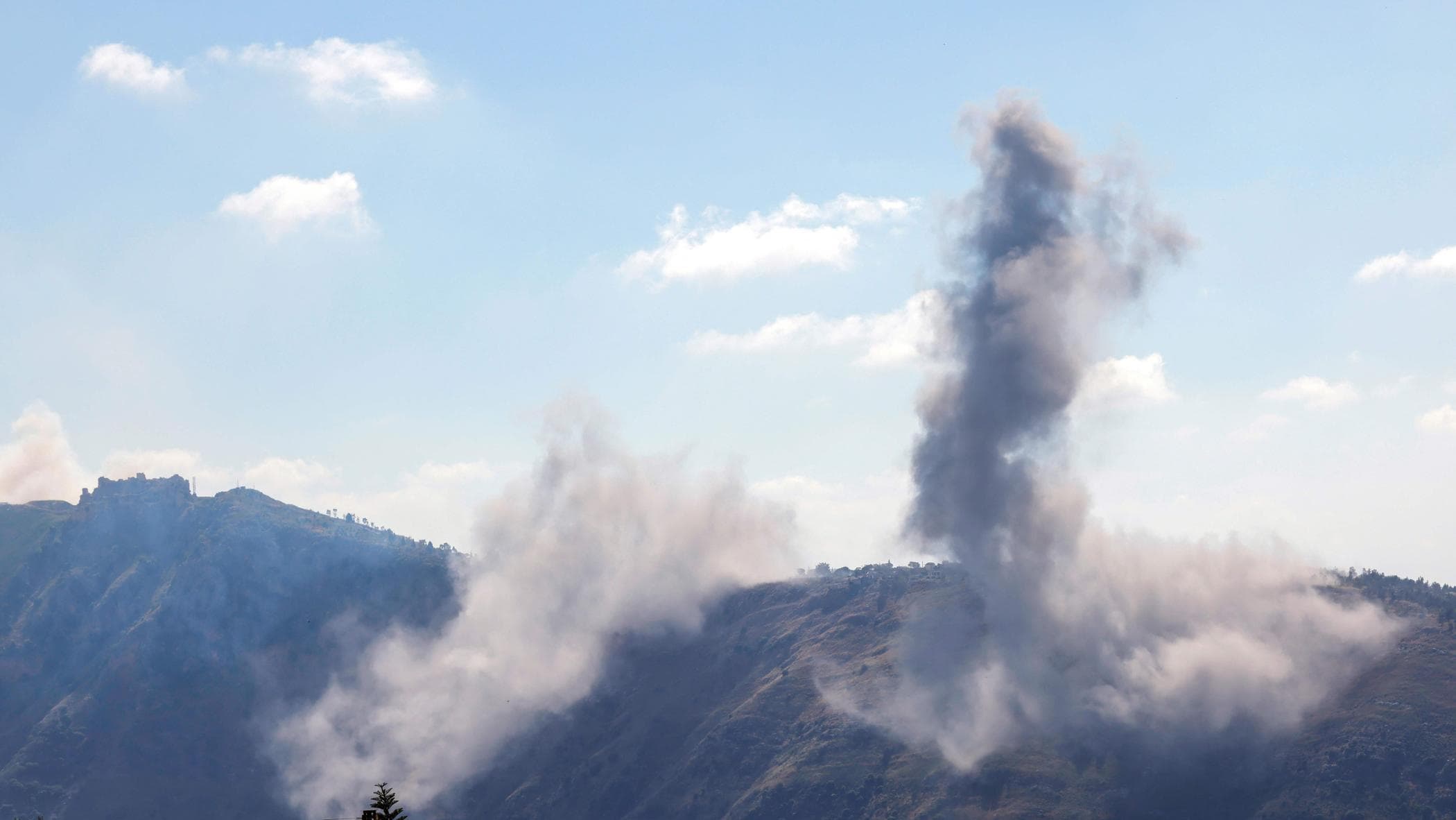
- Regional Violence: A military raid in Lebanon has resulted in the death of an entire family.
Nuclear Diplomacy and the Vatican
Central to the current friction is President Trump’s insistence that any deal with Iran must be absolute regarding nuclear weaponry. In a series of unconventional diplomatic appeals, the U.S. President has urged the Pope to use his influence to communicate a clear message to Iranian leadership.
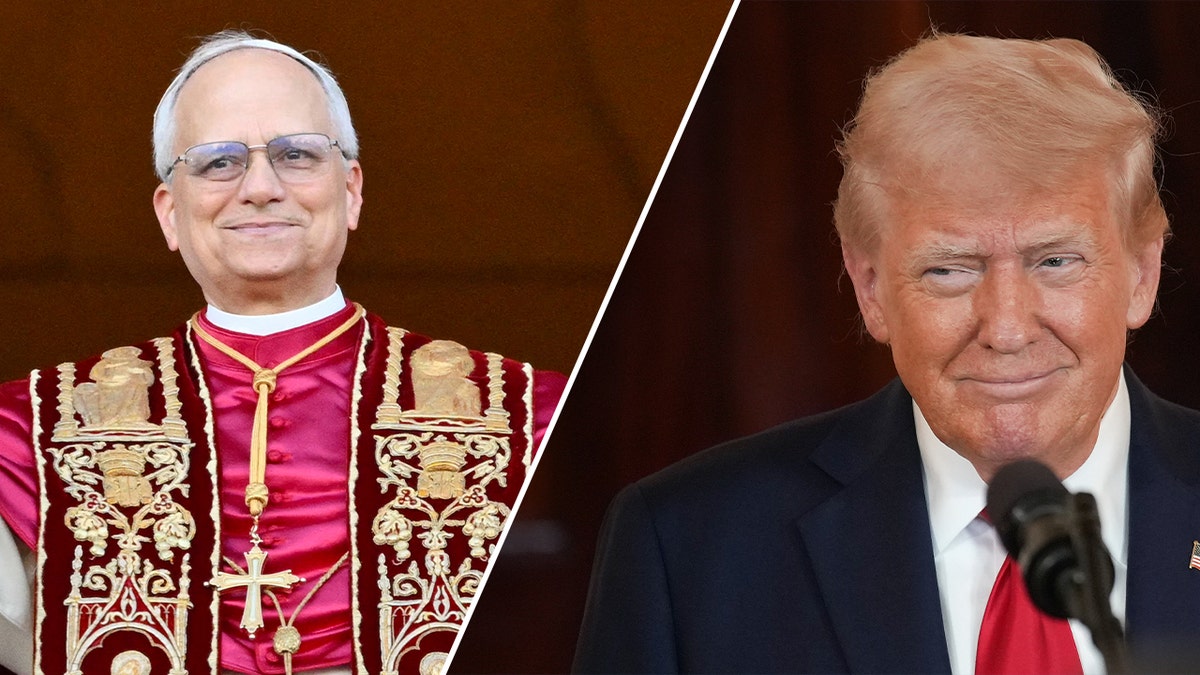
Someone explain to him that Iran cannot have the atomic bomb.
Donald Trump
These remarks highlight a strategy of leveraging international religious and moral leadership to supplement traditional diplomatic channels. During the same sequence of communications, the president diverged from foreign policy to criticize domestic politics, claiming that the mayor of Chicago is useless
in a context related to his dialogue with the pontiff.
Escalation in Lebanon
While diplomatic efforts continue in the background, the regional security situation has deteriorated. According to local reports, a recent raid in Lebanon ended in tragedy, killing a family. While the specific details of the operation were not disclosed, such strikes often reflect the broader shadow war involving Iranian-backed entities and their adversaries in the Levant.
The Path Toward a New Agreement
The delivery of the U.S. Counter-proposal marks a critical juncture in negotiations. President Trump has explicitly requested modifications to the previous proposal, signaling that the United States is unwilling to accept the current terms. The administration’s focus remains centered on ensuring that Iran is permanently barred from acquiring nuclear capabilities, a non-negotiable pillar of the current U.S. Foreign policy toward the Islamic Republic.
