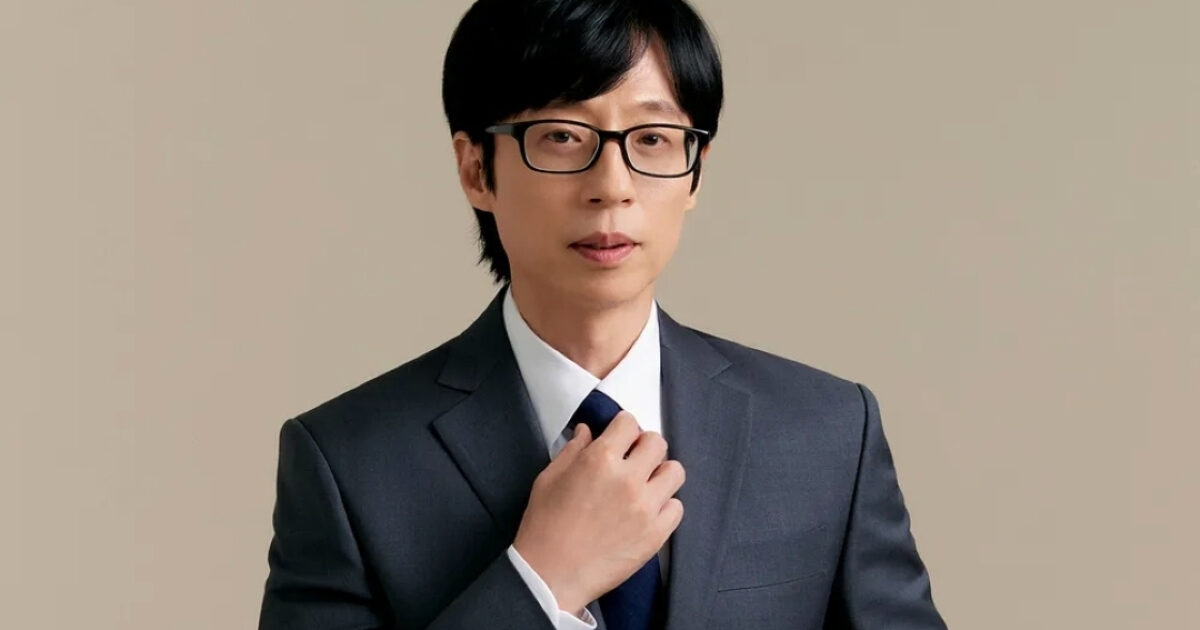
The Nation’s MC Unmasked: Understanding the Viral Story of Yoo Jae Suk’s Behavior At Nightclubs Gets Exposed
In the pantheon of South Korean entertainment, few figures loom as large as Yoo Jae Suk. Known as the “Nation’s MC,” he is the gold standard of professionalism, humility and impeccable public conduct. However, the pristine image of the man who anchors the country’s most beloved variety shows was recently punctured by a wave of hilarity and nostalgia. The internet has been buzzing as details regarding Yoo Jae Suk’s behavior at nightclubs gets exposed – Koreaboo and other entertainment outlets have highlighted a side of the superstar that is far from “perfect.”
Far from being a suave charmer or a nightlife king, the revelations paint a picture of a man who was, by all accounts, a disaster in the high-pressure social environment of the club. Through the unfiltered recollections of his long-time colleagues, specifically Jeong Jun-ha, a narrative has emerged of a “nightclub lone wolf”—a man whose inability to navigate the art of flirting turned a night of intended glamour into a lesson in social awkwardness.
The “Lone Wolf” Chronicles: Jeong Jun-ha’s Revelations
The catalyst for this viral discourse was a series of candid moments shared by Jeong Jun-ha, a veteran comedian and close confidant of Yoo Jae Suk. During a broadcast, Jeong decided to peel back the curtain on what he described as Yoo Jae Suk’s “dark history.” While most celebrities have a curated past, the “exposure” here wasn’t a scandal of morality, but rather a scandal of sheer incompetence in the dating scene.
According to Jeong, the younger version of Yoo Jae Suk attempted to navigate the nightclub scene with the same enthusiasm he brings to his hosting duties, but with none of the natural chemistry required for romantic pursuit. Jeong described a recurring and somewhat pitiful scene: while other men were successfully engaging with partners and enjoying the social buzz of the club, Yoo Jae Suk remained stationary.
“I guarded the table alone,” Jeong Jun-ha remarked, recalling the sight of Yoo Jae Suk essentially acting as a security guard for their drinks and belongings while failing to make a single successful connection with anyone in the room.
This image of the “nightclub lone wolf” has resonated deeply with fans. The humor lies in the juxtaposition; the man who can now command an entire room of strangers and make anyone feel comfortable is the same man who once sat frozen at a club table, unable to strike up a conversation.
The Anatomy of a Social Failure
To understand why this “exposure” became such a talking point, one must look at the specific dynamics of the nightclub culture in Korea during that era. The environment was one of high energy, fast-paced social signaling, and a specific set of unwritten rules regarding “hitting on” others. For someone like Yoo Jae Suk, whose strength is long-form conversation and empathetic listening, the superficial and rapid-fire nature of clubbing was a mismatch for his personality.
- Over-analysis: Sources suggest Yoo’s approach was perhaps too cautious or overly polite for a setting that requires boldness.
- Lack of “Game”: In the vernacular of modern dating, Yoo lacked the “game” necessary to navigate the predatory nature of the nightlife scene.
- The “Table Guard” Syndrome: Instead of venturing out, he became a fixture of the furniture, a detail that Jeong Jun-ha found both amusing and tragic at the time.
The Irony of the “Truth Bomb”: Yoo Jae Suk vs. Haha
The story takes an even more comedic turn when considering Yoo Jae Suk’s current role as the “mentor” or “critic” on shows like Hangout with Yoo. In a recent episode, the irony reached a boiling point when Yoo Jae Suk delivered a scathing “truth bomb” to his fellow cast member, Haha.
During a segment where the cast’s social successes (or lack thereof) were being discussed, Haha found himself in a slump, having failed to make any “hits” or connections during a specific outing. Without hesitation, Yoo Jae Suk leaned into his role as the authoritative figure, brutally telling Haha, “You’re so bad at it, it’s turned me off.”
The audience and the cast were quick to point out the staggering hypocrisy of the statement. Here was a man, who had been exposed as a “lone wolf” who guarded tables in silence, criticizing another man for his lack of romantic success. This dynamic is a staple of K-variety comedy: the “perfect” leader being reminded of his own flawed past the moment he attempts to look down on others.
| Aspect | The Public “Nation’s MC” Image | The “Nightclub Lone Wolf” Reality |
|---|---|---|
| Social Skill | Master of communication and charisma | Awkward and unable to initiate flirting |
| Room Presence | Commands the attention of everyone | Blended into the background/guarded the table |
| Romantic Vibe | Admired by millions as the “ideal man” | Zero “hits” and total social failure |
| Role in Group | The leader and director | The designated “bag holder” |
Why This “Exposure” Matters: The Humanization of an Icon
At first glance, a story about a celebrity being bad at clubbing seems trivial. However, from a sociological perspective, the reaction to Yoo Jae Suk’s behavior at nightclubs gets exposed – Koreaboo and similar reports reveals a great deal about the relationship between Korean idols and their public.
The Burden of Perfection
Yoo Jae Suk occupies a unique space in Korean society. He is not just a comedian; he is a moral compass. His reputation for being hardworking, kind to staff, and scandal-free is legendary. When a celebrity is placed on such a high pedestal, they can become unrelatable. They cease to be human and become symbols of perfection.
When Jeong Jun-ha exposes Yoo’s “dark history,” he isn’t damaging Yoo’s brand; he is enhancing it. By revealing that the most successful man in Korean entertainment was once a social failure in a nightclub, the narrative shifts from “He is a god” to “He is one of us.” This humanization creates a stronger, more emotional bond between the star and the audience.
The Comedy of the “Underdog”
There is a deep-seated love for the “underdog” narrative in global culture, and this story fits perfectly. The idea that someone could be so profoundly bad at one specific social skill (clubbing) while being a genius at another (hosting) is a classic comedic trope. It provides a sense of comfort to the viewers who may also feel like “lone wolves” in their own lives.
The Dynamics of the “K-Variety” Expose
The way this information came to light is a masterclass in the “K-variety” format. Unlike Western celebrity gossip, which often relies on anonymous leaks or paparazzi, the most effective “exposures” in Korean variety shows happen through “internal betrayal.”
The chemistry between Yoo Jae Suk, Jeong Jun-ha, and Haha is built on decades of friendship. This allows them to engage in a form of “affectionate roasting.” When Jeong Jun-ha reveals a secret, it is understood by the audience as a sign of intimacy and trust. This “internal exposure” serves several purposes:
- Content Generation: It creates viral clips that trend on social media, driving viewership back to the main show.
- Character Development: It adds layers to the celebrities’ personas, making them more three-dimensional.
- Pacing: It provides a rhythmic break from the planned segments of a show, adding an element of spontaneity and authenticity.
For those interested in how these dynamics work across different shows, a related explainer on K-variety show tropes could provide further insight into the “betrayal” comedy style.
Correcting Common Misconceptions
Because the term “exposed” is often associated with scandals, some casual observers might mistake this story for something sinister. It is important to clarify the nature of this “exposure” to avoid misunderstandings.
Misconception 1: This is a scandal involving misconduct.
Absolutely not. The “dark history” mentioned by Jeong Jun-ha refers to social awkwardness and a lack of success in dating. There are no allegations of inappropriate behavior; in fact, the humor stems from the fact that Yoo Jae Suk was too passive and unsuccessful.
Misconception 2: This indicates that Yoo Jae Suk is not actually charismatic.
On the contrary, it highlights the difference between situational charisma and natural personality. Clubbing requires a specific type of aggressive, superficial charisma. Hosting a show requires intellectual charisma, empathy, and timing. Yoo Jae Suk’s “failure” in the club simply proves that he is not a “player,” which further solidifies his image as a wholesome individual.
Misconception 3: The “truth bomb” delivered to Haha was malicious.
In the context of Hangout with Yoo, these interactions are part of a long-running comedic rivalry. The “brutal truth” is a performance of seniority and playfulness, not a genuine attempt to belittle a colleague.
The Long-Term Impact on the “Nation’s MC” Brand
In the long run, stories like the “nightclub lone wolf” only serve to insulate Yoo Jae Suk from the pressures of perfection. By leaning into his failures, he effectively “vaccinates” himself against future criticism. If the public already knows he can be an awkward “table guard,” he is no longer required to be a flawless icon at every moment.
this narrative arc provides a powerful message about growth. The transition from a man who couldn’t talk to a stranger in a club to a man who is the most sought-after interviewer in Asia is a testament to the power of practice, professionalism, and self-improvement. It suggests that social skills are not always innate—they can be developed.
As we watch the ongoing interactions between the “Nation’s MC” and his band of comedians, You can expect more of these “dark history” reveals. They are the fuel that keeps the chemistry alive and the laughter flowing, ensuring that while Yoo Jae Suk may be the king of the screen, he remains a relatable human being off it.
Frequently Asked Questions
What exactly was Yoo Jae Suk’s “behavior” at nightclubs that was exposed?
It wasn’t scandalous behavior, but rather a total lack of success. He was described as a “lone wolf” who was unable to attract any partners and spent his time “guarding the table” while his friends were socializing.
Who revealed this information about Yoo Jae Suk?
The details were shared by his long-time friend and fellow comedian, Jeong Jun-ha, during a variety show appearance, highlighting the humorous contrast between Yoo’s past and his current fame.
Why did Yoo Jae Suk criticize Haha if he also struggled in nightclubs?
This was a comedic moment on Hangout with Yoo. Yoo Jae Suk was roasting Haha for his lack of “hits” in a social setting, which created an ironic situation since Yoo himself had a similar history of failure.
Is this “exposure” considered a scandal in South Korea?
No. In the context of Korean entertainment, this is viewed as “humanizing” and funny. It is not a scandal involving morality or law, but a lighthearted look at a celebrity’s awkward youth.
Does this change the public’s perception of the “Nation’s MC”?
Generally, it makes him more likable. Fans appreciate the humility and the fact that even someone as successful as Yoo Jae Suk had moments of social struggle and failure.
The enduring appeal of Yoo Jae Suk lies in his ability to balance immense power and influence with a willingness to be the butt of the joke. Whether he is delivering a “truth bomb” to Haha or being exposed as a “table guard” by Jeong Jun-ha, he remains the central figure of Korean entertainment precisely because he allows himself to be human.
