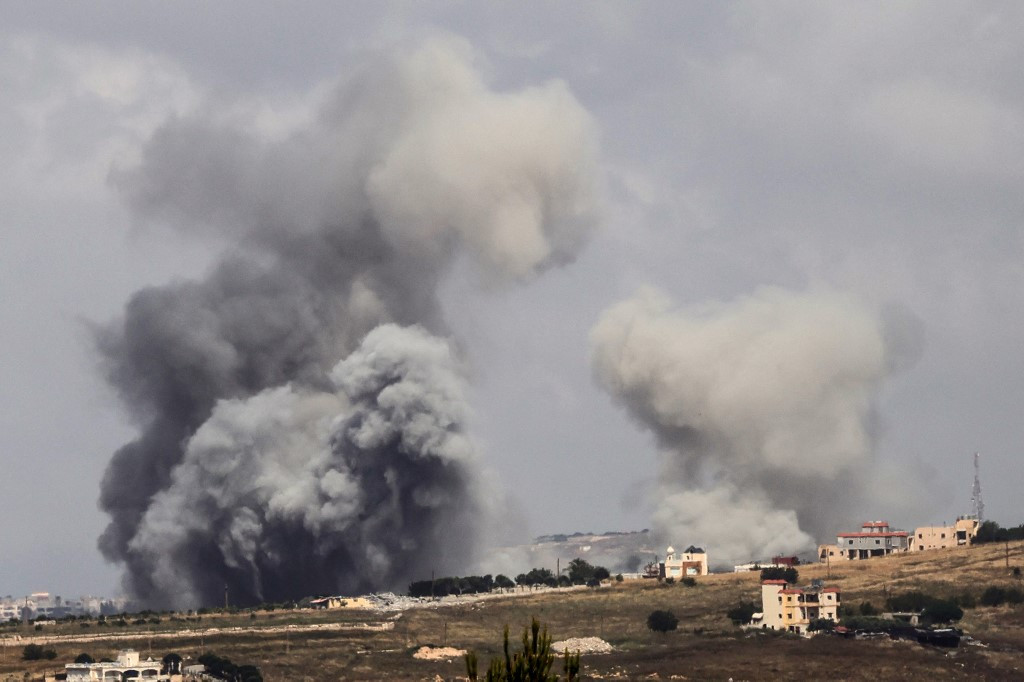
Truce at Risk: Iranian Ballistic Missile Hits US Base in Kuwait Amid Peace Talks – Kyiv Post
The fragile equilibrium of Middle Eastern diplomacy has been shattered following a high-stakes military escalation that threatens to plunge the region into a full-scale conflict. Reports indicating a Truce at Risk: Iranian Ballistic Missile Hits US Base in Kuwait Amid Peace Talks – Kyiv Post have sent shockwaves through global markets and diplomatic corridors, signaling a potentially catastrophic breakdown in the clandestine negotiations intended to stabilize the Persian Gulf.
The strike on the United States military installation in Kuwait represents more than a localized tactical attack; it is a geopolitical signal. Coming at a moment when the international community believed a rapprochement was possible, the missile strike suggests a profound disconnect between the diplomatic rhetoric emerging from peace talks and the operational directives being issued by hardline elements within the Iranian military apparatus. As the U.S. Responds with targeted strikes and heightened naval alerts, the world is watching the Strait of Hormuz—the world’s most critical oil artery—to see if this spark will ignite a global economic crisis.
The Anatomy of the Attack: What Happened in Kuwait
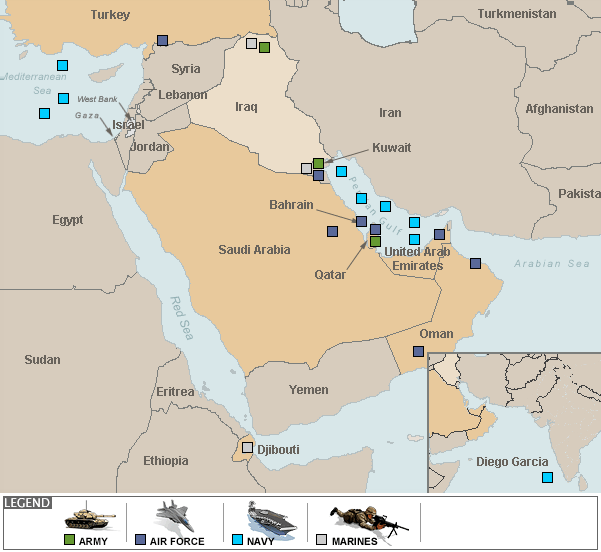
In a sudden breach of the precarious ceasefire, an Iranian-manufactured ballistic missile struck a U.S. Military base in Kuwait. While initial reports focused on the immediate physical damage, the strategic implication is far more severe. Kuwait has long served as a critical hub for U.S. Logistics and regional stability operations; an attack on this soil is viewed by Washington not merely as an aggression against the U.S., but as a direct challenge to the security guarantees provided to Gulf Cooperation Council (GCC) allies.
Military analysts suggest that the use of a ballistic missile—rather than a drone or a proxy-led rocket attack—was a deliberate choice. Ballistic missiles are high-signature weapons that leave little doubt about their origin, indicating that Tehran may be attempting to exert maximum leverage during the ongoing peace negotiations or is reacting to perceived U.S. Incursions in its sovereign waters.
“The transition from proxy warfare to the direct use of ballistic assets against a sovereign U.S. Base marks a dangerous evolution in the conflict. It suggests that the ‘red lines’ previously established are being systematically erased.”
Immediate Aftermath and Military Response
Following the impact, the U.S. Central Command (CENTCOM) immediately shifted its posture to a high-alert status. The response was not limited to defensive measures in Kuwait. Within hours, U.S. Forces launched retaliatory strikes targeting critical infrastructure within Iran, specifically focusing on assets linked to the Iranian Revolutionary Guard Corps (IRGC). These strikes were designed to degrade Iran’s ability to launch further missile volleys while signaling that the U.S. Would not allow the Kuwaiti strike to go unanswered.
Key points of the immediate escalation:
- Targeted Retaliation: U.S. Airstrikes focused on missile launch sites and command-and-control centers.
- Regional Mobilization: Increased deployment of Aegis-equipped destroyers to the North Arabian Gulf.
- Diplomatic Freeze: An immediate suspension of high-level talks regarding the reopening of the Strait of Hormuz.
The Strait of Hormuz: The Global Economic Choke Point
While the missile strike in Kuwait captured the headlines, the true center of gravity for this crisis remains the Strait of Hormuz. This narrow waterway is the primary transit route for approximately one-fifth of the world’s total oil consumption. Any disruption here does not just affect regional politics; it triggers immediate volatility in Brent and WTI crude prices, impacting every economy from Tokyo to New York.
The tension has escalated beyond missile exchanges to a more insidious form of naval warfare: mine-laying. U.S. Naval forces have issued stern warnings that they will strike any Iranian vessels suspected of deploying naval mines in the shipping lanes. Mine warfare is a “force multiplier” for a smaller navy, allowing Iran to effectively close the Strait without needing to engage in a direct ship-to-ship battle with the U.S. Fifth Fleet.
The War of Narratives: Trump and the “Secret Deal”
Adding a layer of political complexity is the conflicting information regarding a potential diplomatic exit. Reports had surfaced suggesting a deal was in the works to reopen the Strait of Hormuz and stabilize shipping in exchange for certain sanctions reliefs. However, former President Trump has explicitly denied these reports, asserting that no such deal exists and that the U.S. Will continue to apply “maximum pressure” to ensure the freedom of navigation.

This denial serves a dual purpose: it projects strength to domestic audiences and signals to Tehran that the U.S. Will not be coerced into a deal through the threat of closing the Strait. However, the contradiction between reported diplomatic tracks and public denials creates a vacuum of clarity that often leads to military miscalculation.
| Strategic Factor | Iranian Objective | U.S. Objective |
|---|---|---|
| Strait of Hormuz | Use as leverage to lift sanctions. | Ensure uninterrupted global oil flow. |
| Kuwait Base | Demonstrate reach and deter U.S. Presence. | Maintain regional security guarantees. |
| Bandar Abbas | Protect primary naval and trade hub. | Degrade IRGC logistical capabilities. |
Bandar Abbas: Why the Port is the Heart of the Conflict
Much of the recent U.S. Military activity has centered on Bandar Abbas, Iran’s most vital port city. To understand why the U.S. Continues to target this specific location, one must understand its role as the nervous system of the Iranian military and economy.
Bandar Abbas is not merely a commercial harbor; it is the primary gateway for Iranian imports and exports and the main base for the IRGC Navy. By targeting Bandar Abbas, the U.S. Is attacking Iran’s ability to project power into the Gulf and its capacity to sustain its economy during a prolonged conflict.
The Strategic Importance of the Port
- Logistical Hub: It is the primary entry point for military hardware and dual-use technologies.
- Naval Command: The port houses the infrastructure necessary to coordinate mine-laying operations and fast-attack craft sorties.
- Economic Pressure: Disruptions at Bandar Abbas directly impact Iran’s GDP, putting internal pressure on the regime to return to the negotiating table.
The repeated strikes on Bandar Abbas indicate a U.S. Strategy of “calibrated escalation.” Rather than a full-scale invasion, Washington is attempting to dismantle the tools of Iranian asymmetry—mines, missiles, and rapid boats—while keeping the pressure on the regime’s economic lifeline.
Analyzing the “Truce at Risk”: Diplomacy vs. Kinetic Action
The overarching theme of this crisis—the Truce at Risk: Iranian Ballistic Missile Hits US Base in Kuwait Amid Peace Talks – Kyiv Post—highlights a classic dilemma in international relations: the “commitment problem.” Both sides may want a deal, but neither can afford to look weak while the deal is being brokered.
For Iran, the missile strike in Kuwait may have been a “spoiler” action—either by a rogue faction within the military seeking to derail the talks or by the leadership attempting to improve their bargaining position by demonstrating they can hit U.S. Assets at will. For the U.S., the challenge is to respond with enough force to deter further attacks without escalating the situation to a point where a total war becomes inevitable.
Common Misconceptions About the Conflict
Many observers view this as a simple clash of egos between leaders. However, the reality is far more systemic. Here’s a struggle over the Maritime Commons. The U.S. Views the freedom of navigation as a global norm that must be defended to maintain the international order. Iran views the Strait of Hormuz as its sovereign backyard and a legitimate tool for geopolitical leverage.
Another misconception is that the U.S. Is solely focused on the missile strike. In reality, the missile in Kuwait is a symptom; the “disease” is the instability of the Strait of Hormuz. The U.S. Is more concerned with the long-term threat of mine-laying ships than it is with a single ballistic missile hit, as the former could trigger a global depression by halting oil shipments.
For a deeper dive into how regional alliances are shifting, you may find a related explainer on GCC security pacts useful.
The Broader Implications for Global Stability
The fallout from these events extends far beyond the borders of Kuwait and Iran. We are seeing a ripple effect that touches several key domains:
1. Energy Markets and Inflation
Oil prices are hypersensitive to news from the Persian Gulf. The threat of mine-laying in the Strait of Hormuz creates a “risk premium” on every barrel of oil. If the Strait were to close, even temporarily, the resulting price spike would accelerate inflation globally, forcing central banks to raise interest rates and potentially triggering a recession in developed economies.
2. The Role of Middle Eastern Proxies
The conflict is rarely contained to the two primary actors. Tensions in Kuwait and the Strait of Hormuz often manifest as increased activity from proxy groups in Iraq, Syria, and Yemen. The “shadow war” is moving into the light, and the risk of a miscalculation by a proxy group triggering a direct state-on-state war is higher than ever.
3. The Future of U.S. Engagement in the Gulf
This crisis forces a conversation about the U.S. Presence in the region. While some argue for a full withdrawal to avoid “forever wars,” the attack on the Kuwaiti base demonstrates that a vacuum of U.S. Power would likely be filled by Iranian influence, potentially destabilizing the entire Arabian Peninsula.
To understand the historical context of these tensions, consider a related analysis on the 1980s Tanker War, which mirrors many of the current tactics being employed.
Frequently Asked Questions
Why did Iran target a U.S. Base in Kuwait specifically?
Kuwait is a key strategic partner of the U.S. And hosts significant military infrastructure. By striking a base there, Iran demonstrates its ability to penetrate regional defenses and warns U.S. Allies that their hosting of American forces comes with a high security risk.
What is the significance of mine-laying ships in the Strait of Hormuz?
Naval mines are relatively cheap and easy to deploy but extremely difficult and time-consuming to clear. By mining the Strait, Iran can effectively block commercial shipping, creating an economic crisis that forces the international community to concede to its political demands.

How does the strike on Bandar Abbas affect the conflict?
Bandar Abbas is Iran’s most significant port for both trade and military operations. U.S. Strikes there target the IRGC’s ability to coordinate attacks in the Gulf and place direct economic pressure on the Iranian government by disrupting its primary trade artery.
Will this lead to a full-scale war between the U.S. And Iran?
While the risk is elevated, both nations have historically avoided direct, total war. The current strategy is one of “calibrated escalation,” where each side uses targeted strikes and threats to signal resolve without crossing the threshold into an all-out conflict.
What happens if the Strait of Hormuz is closed?
A closure would likely lead to a dramatic spike in global oil prices, severe shortages in oil-importing nations, and a potential global economic collapse. This is why the U.S. Navy prioritizes the “freedom of navigation” above almost all other regional objectives.
Monitoring the Horizon
The current trajectory of the US-Iran confrontation suggests a period of extreme volatility. The “truce” that was once discussed in the halls of diplomacy is now effectively a memory, replaced by a cycle of strike and retaliation. The critical variables to watch in the coming weeks include the movements of Iranian mine-laying vessels, the level of diplomatic engagement from third-party mediators, and whether the U.S. Expands its target list beyond Bandar Abbas.
As the world grapples with the reality of a Truce at Risk: Iranian Ballistic Missile Hits US Base in Kuwait Amid Peace Talks – Kyiv Post, the focus shifts from the possibility of peace to the necessity of containment. The objective is no longer a grand bargain, but the prevention of a systemic collapse in the Persian Gulf. The intersection of energy security, regional alliances, and military deterrence has created a powder keg; the only question remaining is who will hold the match, and who will be the first to step back from the brink.
For further updates on naval movements in the region, see our related report on Fifth Fleet operations.
