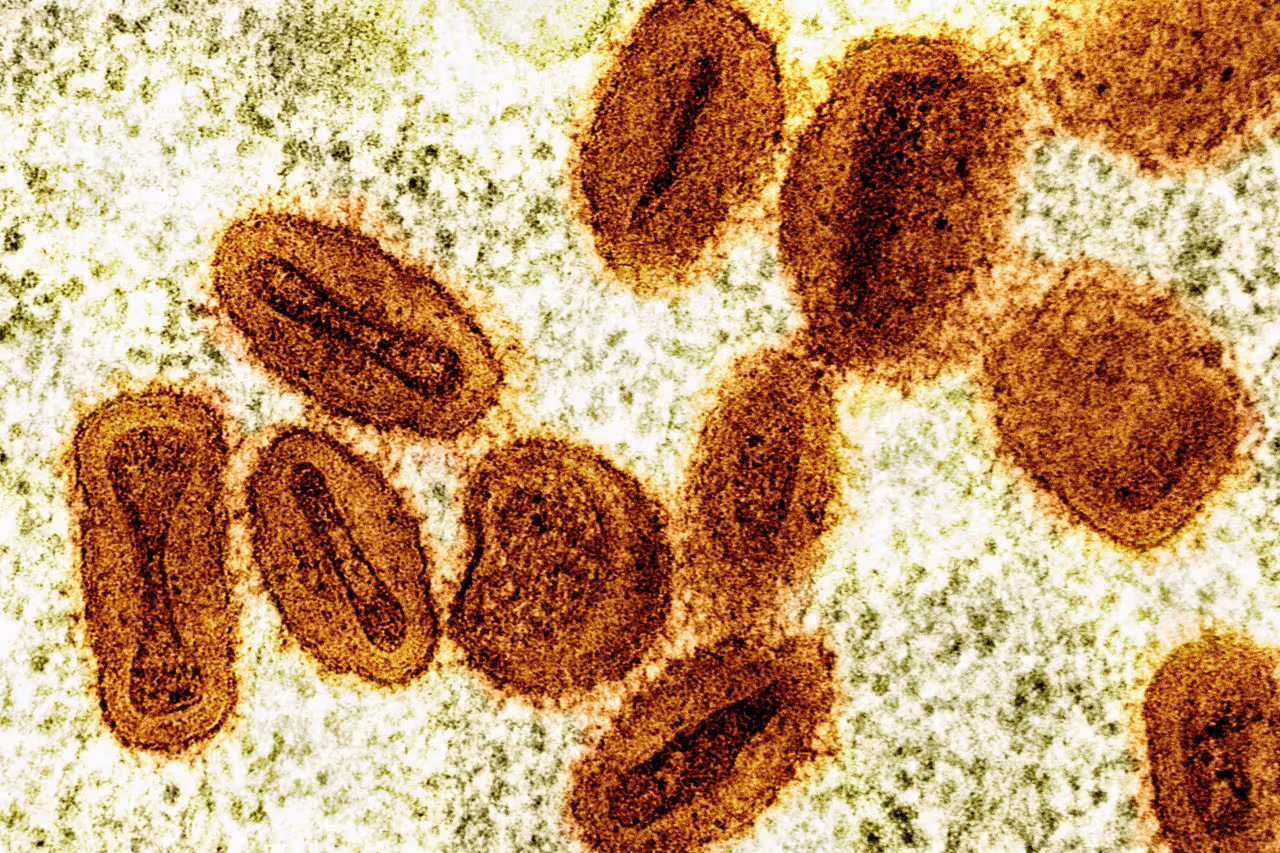
Two researchers affiliated with a U.S. Government laboratory face criminal charges for allegedly transporting monkeypox virus samples from Africa, according to multiple reports. The case has raised questions about biosafety protocols and the handling of infectious disease materials across international borders.
Context of the Allegations
The accused scientists are linked to a federal research institution, though specific details about their affiliation remain undisclosed. The charges stem from the alleged unauthorized transfer of viral samples, which were reportedly collected during fieldwork in Africa. Monkeypox, a viral infection related to smallpox, has been monitored globally due to its potential for outbreaks and its classification as a priority pathogen by health organizations.
Public health officials have emphasized the importance of strict regulations for handling pathogens, particularly those with the potential to cause widespread illness. The incident underscores the delicate balance between scientific research and biosecurity measures.
Implications for Research and Biosecurity
The case has prompted discussions about the oversight of international research collaborations involving infectious agents. Health authorities have reiterated the need for stringent protocols to prevent the accidental or intentional spread of viruses. Such measures are critical given the global interconnectedness of modern research and the risks associated with pathogen transport.
While the specific circumstances of the alleged smuggling remain under investigation, the incident highlights the broader challenges of ensuring compliance with international health regulations. Researchers involved in handling dangerous pathogens must navigate complex legal and ethical frameworks to protect both public health and the integrity of scientific work.
What Comes Next?
The legal proceedings against the scientists will likely focus on the evidence surrounding the alleged breach of protocols. If convicted, the individuals could face penalties ranging from fines to imprisonment, depending on the severity of the charges. The case may also lead to a review of existing policies governing the transport of biological materials.
Health officials have not commented directly on the case but have reiterated their commitment to maintaining high standards for biosafety. The outcome of this investigation could set a precedent for future handling of infectious disease research and international collaboration.
