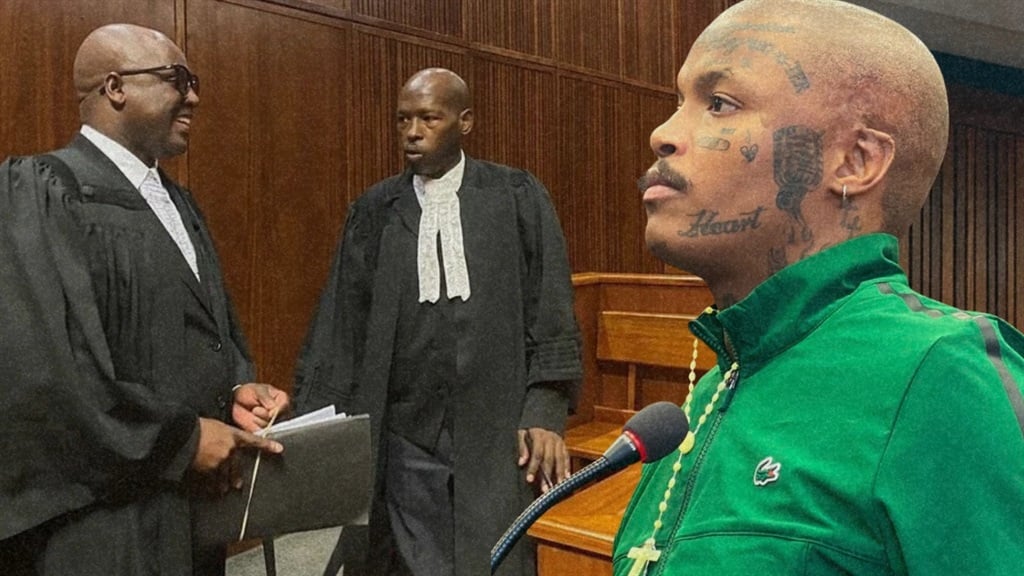
Shebe Appoints Senior Counsel to Challenge Bail Denial
Shebe, professionally known as Shebeshxt, has hired a senior counsel to lead the legal appeal against a court’s decision to deny him bail, according to reports from the Daily Sun and The Citizen. The move shifts the defense strategy toward a high-level appellate approach to secure his release from custody pending trial.
Why Shebe is Appealing the Bail Denial
The decision to bring in a senior counsel follows a failed attempt to secure bail in a lower court. According to reports from the Daily Sun, the defense is now challenging the original magistrate’s ruling that kept the artist in detention. In legal terms, a bail denial typically occurs when the court finds that the accused poses a flight risk, a danger to the public, or a threat to the integrity of the investigation.
By appealing the denial, Shebe’s legal team is asking a higher court to review the initial decision. The goal is to prove that the lower court erred in its assessment or that new circumstances justify his release. The appointment of a senior counsel—often referred to as “silk”—indicates a strategic escalation, as these lawyers are typically reserved for complex arguments or high-stakes litigation where specialized expertise in appellate law is required.
Key objectives of the current legal move include:
- Review of Judicial Discretion: Challenging whether the magistrate applied the law correctly when denying bail.
- Mitigation of Risks: Presenting stronger guarantees that the accused will not abscond or interfere with witnesses.
- Constitutional Arguments: Leveraging the right to liberty and the presumption of innocence.
The Role of Senior Counsel in High-Profile Appeals
The transition from a standard legal representative to a senior counsel is a significant shift in defense strategy. According to The Citizen, a senior counsel has now taken over the Shebeshxt appeal. Senior counsel are advocates who have been recognized for their excellence and experience in the courtroom, granting them the right to wear silk gowns and command higher fees.
In a bail appeal, a senior counsel provides several strategic advantages. They possess a deeper familiarity with the precedents of higher courts and are skilled at identifying narrow legal errors made by lower courts. Rather than simply re-arguing the facts of the case, a senior counsel focuses on the legal application of those facts.
| Feature | Initial Bail Application | Bail Appeal (with Senior Counsel) |
|---|---|---|
| Court Level | Lower/Magistrate Court | High Court or Appellate Court |
| Primary Focus | Facts of the case and immediate risks | Legal errors and judicial misapplication |
| Legal Representation | Attorneys/Junior Advocates | Senior Counsel (SC) |
| Objective | Initial release on conditions | Overturning a prior judicial denial |
How the Bail Appeal Process Works
The process of appealing a bail denial is distinct from the initial application. It is not a “second chance” to present the same evidence, but rather a legal challenge to the original ruling. Under the legal frameworks cited in these proceedings, the appellate court does not usually hear new witness testimony unless there are exceptional circumstances.
The process generally follows these steps:
- Notice of Appeal: The defense files a formal notice stating their intent to challenge the bail denial.
- Preparation of the Record: All transcripts and evidence from the initial bail hearing are compiled into a record for the higher court to review.
- Heads of Argument: The senior counsel drafts a detailed legal document outlining exactly where the lower court went wrong.
- The Hearing: The senior counsel presents oral arguments to a judge, focusing on legal precedents and constitutional rights.
- The Ruling: The judge either upholds the bail denial or grants bail, often with stricter conditions than originally requested.
According to legal standards, the appellate court must decide if the magistrate’s decision was “reasonable” in the circumstances. If the senior counsel can prove the decision was irrational or based on a misunderstanding of the law, the court is likely to grant the appeal.
Implications of the Bail Denial
The denial of bail has immediate and long-term consequences for the accused. Remaining in custody during the trial preparation phase can impact a defendant’s ability to consult with their legal team and gather evidence. For a public figure like Shebe, detention also results in a total cessation of professional activities and public engagement.
Courts typically deny bail based on specific criteria. While the specific reasons for Shebe’s denial are part of the court record, common grounds include:
- Flight Risk: The belief that the accused might leave the jurisdiction to avoid trial.
- Public Order: Concerns that the release of the accused could lead to civil unrest or further crimes.
- Witness Tampering: The risk that the accused might influence or intimidate people testifying against them.
The appointment of a top lawyer suggests the defense is attempting to neutralize these specific concerns. A senior counsel may propose “extreme” bail conditions—such as house arrest, electronic monitoring, or the surrender of all passports—to satisfy the court’s security concerns while still securing the client’s release.
Comparing Legal Approaches: Initial Application vs. Appeal
There is a notable contrast in how the Daily Sun and The Citizen frame this development. While the initial reports focused on the fact of the bail denial, the current updates emphasize the caliber of the legal representation. This indicates that the story has shifted from a criminal justice narrative to a legal strategy narrative.
The initial application was a battle over the facts: what happened, and is the person dangerous? The appeal, led by the senior counsel, is a battle over the law: did the judge follow the correct procedure, and did they overstep their authority in denying liberty?
“The appointment of senior counsel in bail matters is often a signal that the defense is moving away from factual pleas and toward constitutional challenges regarding the right to a fair trial and the presumption of innocence.”
Potential Outcomes of the Appeal
The higher court has three primary options when reviewing Shebe’s case. First, it can dismiss the appeal, meaning the original bail denial stands and Shebe remains in custody. Second, it can grant bail with the same conditions requested in the lower court. Third, it can grant bail but impose new, more stringent conditions to mitigate the risks that the first judge identified.
The success of the appeal depends heavily on the senior counsel’s ability to find a “misdirection” in the first judge’s ruling. If the first judge ignored a piece of evidence or applied a law that didn’t fit the facts, the senior counsel has a strong path to victory.
Stakeholders involved in this process include:
- The Prosecution: Who will argue that the original bail denial was correct and necessary for the interests of justice.
- The Judiciary: Who must balance the rights of the accused with the safety of the public.
- The Public: Particularly followers of the artist, who are monitoring the case for updates on his freedom.
Common Misconceptions About Bail Appeals
Many observers confuse a bail appeal with a trial. It is important to clarify that a bail hearing is not a determination of guilt or innocence. According to legal procedure, the court is not deciding if Shebe committed the alleged crimes, but rather whether he can be trusted to return to court for his trial.

Another common misconception is that hiring a “top lawyer” guarantees a result. While senior counsel provide superior expertise, they are still bound by the evidence and the law. A senior counsel cannot erase the facts of a case; they can only argue for a different interpretation of how those facts affect the right to bail.
Finally, some believe that bail is a right. In reality, bail is a discretionary tool. The court has the power to deny it if the interests of justice outweigh the individual’s right to liberty.
Frequently Asked Questions
Who is Shebe in the context of this legal case?
Shebe, also known as Shebeshxt, is the individual currently facing legal proceedings and fighting a bail denial in court.
What is a “senior counsel” and why does it matter?
A senior counsel (SC) is a highly experienced advocate recognized for their expertise. In this case, hiring an SC indicates that the defense is utilizing a high-level legal strategy to challenge a previous court ruling.
Why was bail denied in the first place?
While specific court details are guarded, bail is typically denied if a judge believes the accused is a flight risk, a danger to others, or likely to interfere with the trial process.
Can a person be denied bail more than once?
Yes. If an appeal is dismissed, the person remains in custody. They may apply for bail again later if there is a “material change in circumstances,” such as new evidence or a change in the charges.
How long does a bail appeal usually take?
The timeline varies by jurisdiction and court availability, but it generally involves several weeks of preparing the record and drafting arguments before a hearing date is set.
For those tracking the legal developments of this case, the next critical milestone will be the filing of the heads of argument by the senior counsel and the subsequent hearing date in the higher court. This will determine whether the artist remains in detention or is released under specific conditions.
