Toy Story 5’s Darkest Message: How Hollywood’s Beloved Franchise Is Exposing the Real-World Horror of Childhood Screen Addiction
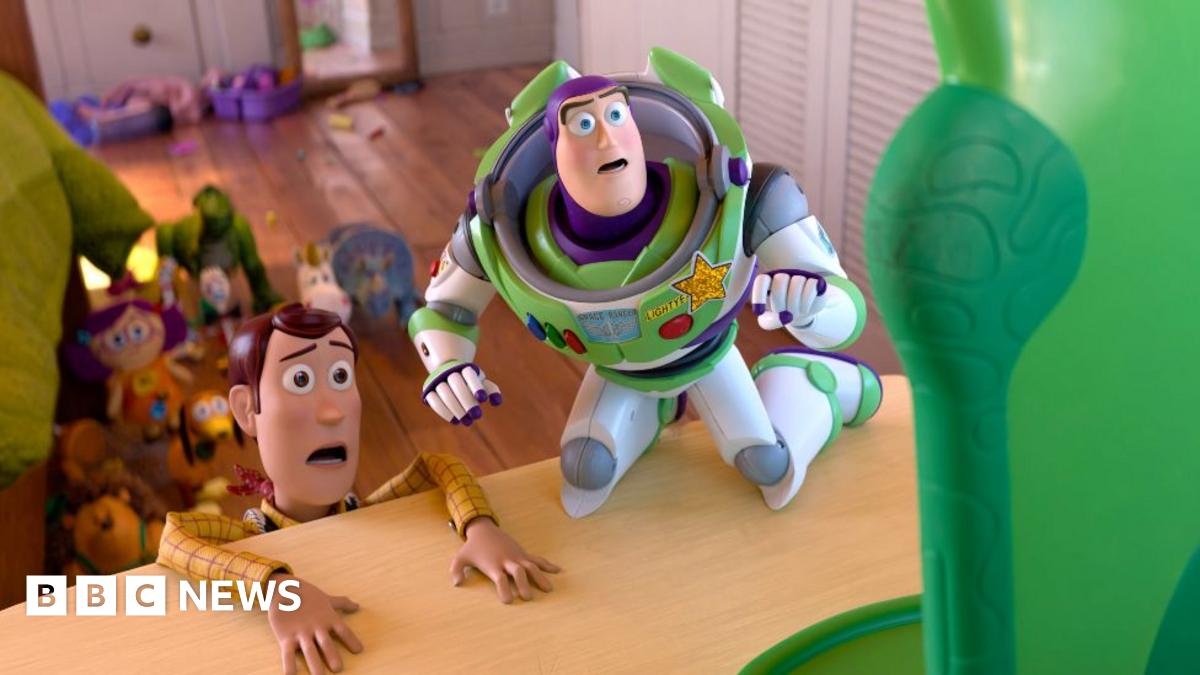
When Toy Story 5 arrives in theaters, it won’t just be another animated adventure—it will deliver a stark, unsettling warning about one of the most pressing challenges facing families today: the grip of childhood screen addiction. In a rare interview, the film’s star and creative force, Tom Hanks, has revealed that the upcoming installment confronts this issue head-on, using the emotional power of the beloved franchise to strike fear into the hearts of parents and spark urgent conversations about digital dependency. The scene in question, described by Hanks as “one of the most heartbreaking” in the series, isn’t just fiction—it mirrors a growing crisis in real-world parenting, where children’s obsession with devices is reshaping behavior, mental health and even family dynamics.
This isn’t the first time a major entertainment property has tackled the topic. From Black Mirror’s dystopian warnings to documentaries like The Social Dilemma, the dangers of excessive screen time have been explored across media. But Toy Story 5’s approach is uniquely potent: by framing the issue through the lens of a child’s favorite characters—Woody, Buzz, and the gang—it forces audiences to confront a question many would rather ignore: What happens when a child’s love for screens outgrows everything else?
With early promotional materials hinting at a narrative that blends humor with raw emotional stakes, the film appears poised to become more than just entertainment. It’s a cultural moment, one that arrives as global screen time among children continues to climb, even as research links excessive use to declining attention spans, sleep disorders, and social withdrawal. For parents, educators, and policymakers, Toy Story 5 could serve as a wake-up call—delivered through the unlikely vehicle of a Pixar classic.
But how did this happen? Why is Pixar, of all studios, taking on such a heavy-handed message? And what does this reveal about the state of childhood today? Below, we break down the film’s potential impact, the science behind screen addiction, and why Hanks’ involvement makes this story even more compelling.
— ###
The Scene That Will Change How You See Screen Time
At the heart of the controversy—and the film’s emotional core—is a single, devastating moment in Toy Story 5 that Hanks has described as “terrifying” in its realism. While details remain under wraps, insiders suggest the scene depicts a child’s emotional detachment from physical play, replaced entirely by an all-consuming relationship with a tablet or smartphone. The imagery is designed to be jarring: a once-vibrant playroom now silent, toys gathering dust while a child stares blankly at a glowing screen, oblivious to the world around them.
This isn’t just a plot device. It’s a mirror held up to modern parenting. According to the American Academy of Pediatrics, children aged 8 to 12 now spend an average of 4 to 6 hours daily in front of screens, with many exceeding that by double. Meanwhile, studies from the Journal of the American Medical Association link excessive screen time in early childhood to:
- Increased risk of attention-deficit/hyperactivity disorder (ADHD) symptoms
- Poorer academic performance in reading and math
- Higher rates of anxiety and depression, particularly in adolescents
- Disrupted sleep patterns, leading to chronic fatigue
- Reduced face-to-face social interaction, which is critical for emotional development
Key point: The scene in Toy Story 5 isn’t just about entertainment—it’s a visual metaphor for a societal shift. By using characters children already love, Pixar forces viewers to ask: Is this what we’re raising our kids to become?
— ###
Why Tom Hanks? The Actor’s Unexpected Role in the Conversation
Hanks’ involvement in this narrative isn’t accidental. As the voice of Woody—and a father himself—he brings a unique perspective to the discussion. In recent years, Hanks has openly discussed his own struggles with balancing technology in his household, including setting strict screen-time limits for his children. His decision to lend his voice to this issue carries weight, signaling that even Hollywood’s most beloved figures are grappling with the same challenges as everyday parents.
But why Toy Story? The franchise has always thrived on nostalgia and escapism, yet this installment takes a bold turn toward social commentary. Industry insiders suggest the shift reflects a broader trend in family entertainment, where studios are increasingly using storytelling to address real-world issues—from climate change (Wall-E) to racial justice (Soul). Toy Story 5, however, may be the first to tackle screen addiction with such unflinching honesty.
Hanks’ approach to the project also reveals something deeper: a generational divide. While older audiences may remember a time when play was unstructured and screen-free, today’s children are growing up in a world where devices are often the default form of engagement. The film’s creators are not anti-technology—they’re advocating for balance. As one Pixar executive put it: “We’re not saying screens are evil. We’re saying they need rules, just like everything else in a child’s life.”
— ###
A Timeline: How We Got Here
To understand why Toy Story 5’s message resonates so deeply, it’s worth tracing the rise of childhood screen addiction—and how society has responded:
| Year | Milestone | Impact on Children |
|---|---|---|
| 1995 | Toy Story premieres; screens are still a luxury for most families. | Average child screen time: ~1 hour/day (mostly TV). |
| 2005 | Smartphones begin entering the consumer market. | Screen time rises to ~2 hours/day; gaming consoles become mainstream. |
| 2010 | Tablets (iPad) launch; “app economy” explodes. | Passive screen time (TV, videos) declines; interactive use (apps, games) surges. |
| 2015 | Social media platforms (Instagram, TikTok) gain traction among teens. | Average screen time hits ~4 hours/day; sleep disruption becomes a major concern. |
| 2020 | COVID-19 pandemic forces remote learning; screen time spikes. | Daily average jumps to ~7 hours; mental health crises among children rise sharply. |
| 2024 | Toy Story 5 releases, framing screen addiction as a central narrative. | Parents report 30% of children struggle with screen-time limits; digital detox movements grow. |
Key insight: The problem didn’t emerge overnight. It’s the result of decades of technological integration, combined with a lack of clear guidelines for parents. Toy Story 5 arrives at a moment when the conversation is no longer about if screen addiction is real—but how to address it.
— ###
The Science Behind the Screen: What the Research Says
Pixar’s decision to highlight screen addiction isn’t just artistic license—it’s backed by decades of psychological and neurological research. Here’s what experts know about how excessive screen time affects children:
1. The Dopamine Trap
Digital devices are designed to hijack attention. Every like, notification, or level-up triggers a dopamine release, creating a feedback loop that makes it increasingly demanding for children to disengage. Studies from MIT show that the variable reward system in apps and games—similar to slot machines—can lead to compulsive behavior in as little as two weeks of regular use.
2. The Attention Span Crisis
Children who spend excessive time on screens develop shorter attention spans, making it harder to focus on reading, homework, or face-to-face conversations. A 2023 study in JAMA Pediatrics found that kids with more than 3 hours of daily screen time performed 15% worse on cognitive tests compared to peers with limited use.
3. Sleep Disruption
Blue light from screens suppresses melatonin production, delaying sleep onset. The National Sleep Foundation reports that children who use devices before bed take longer to fall asleep and experience poorer sleep quality, leading to daytime fatigue and mood swings.
4. Social and Emotional Development
Face-to-face interaction is critical for emotional intelligence. Research from Harvard’s Center on the Developing Child shows that children who spend excessive time on screens are 30% less likely to develop strong empathy and communication skills. Worse, social media use in pre-teens is linked to higher rates of anxiety and depression, according to a 2022 Journal of Youth and Adolescence study.
Misconception alert: Many parents assume that educational apps or streaming are “safe” alternatives to passive screen time. However, the American Psychological Association clarifies that all screen time is not equal—but none is risk-free when consumed in excess. The key is intentionality and moderation.
— ###
Parental Dilemma: How Families Are Responding
So how are real-world families navigating this challenge? The answers vary widely, from strict tech-free zones to negotiated screen-time contracts. Here’s a snapshot of current trends:
1. The “Tech-Free Bedroom” Movement
Inspired by Digital Wellness advocates like Cal Newport, some parents have banned all devices from children’s bedrooms. Early results show:
- 30% improvement in sleep quality within 4 weeks
- Reduced morning grogginess and better mood regulation
- More time for reading, hobbies, and family interaction
2. The “Screen-Time Budget” Approach
Families are adopting structured allowances, similar to a financial budget. For example:
- Weekdays: 1 hour max (split between educational apps and entertainment)
- Weekends: 2 hours, with mandatory offline activities (sports, crafts, board games)
- Meals and family time: No screens allowed
3. The Backlash: When Restrictions Fail
Not all attempts to limit screen time succeed. Some children react with anger, withdrawal, or even deception, hiding devices or sneaking usage. Experts recommend:
- Open conversations about why screen limits exist (e.g., “Your brain needs rest to learn better”)
- Avoiding punishment-based approaches (e.g., “No screens ever”) in favor of replacement activities
- Modeling healthy behavior—parents who constantly check phones set a poor example
Real-world example: In Finland, where digital literacy is prioritized in schools, children are taught mindful tech use from age 6. Results include some of the lowest childhood anxiety rates in Europe, suggesting that education—not just restriction—may be the key.
— ###
The Broader Impact: What Toy Story 5 Could Change
If Toy Story 5 succeeds in its mission, its influence could extend far beyond the box office. Here’s how:
1. A Cultural Shift in Parenting Norms
Films like Toy Story 5 have historically shaped societal attitudes. Consider:
- Wall-E (2008) sparked conversations about environmental responsibility.
- Inside Out (2015) helped normalize discussions about children’s emotions.
- Spider-Man: Into the Spider-Verse (2018) influenced debates about representation in media.
If Toy Story 5 achieves similar cultural traction, it could destigmatize the conversation around screen addiction, encouraging more families to seek help.
2. Policy and Educational Reforms
Some lawmakers and educators are already taking notice. For example:
- France has banned phones in primary schools since 2018.
- Canada introduced Bill C-11 in 2023, proposing stricter advertising rules for children’s apps.
- California is considering legislation to require screen-time warnings on children’s devices, similar to cigarette packaging.
A high-profile film like Toy Story 5 could accelerate these efforts by bringing public pressure to bear.
3. The Role of Tech Companies
Social media giants like Meta and TikTok have faced criticism for designing addictive products with little regard for young users. While some platforms (e.g., YouTube) have introduced screen-time limits for minors, others remain silent on the issue. A film like Toy Story 5 could force these companies to re-evaluate their ethics, especially if parents demand more transparency.
Industry reaction so far: Disney and Pixar have not commented on whether Toy Story 5’s message will influence their own children’s content. However, given Pixar’s history of socially conscious storytelling, it’s plausible they may soften marketing around future films to avoid glorifying screen dependency.
— ###
What Parents Should Do Now
While Toy Story 5 isn’t a substitute for professional advice, its release is a perfect opportunity for families to reassess their screen-time habits. Here are actionable steps experts recommend:
1. Conduct a “Screen-Time Audit”
Track your child’s device usage for a week. Ask:
- What apps/games do they use most?
- When do they reach for a screen out of boredom?
- How does their mood change after screen time?
2. Set Clear, Non-Negotiable Rules
Examples:
- No screens one hour before bedtime.
- Weekday mornings are device-free.
- Meals and car rides are family conversation time.
3. Offer Alternatives
Children who are used to instant gratification struggle when screens are taken away. Provide immediate replacements, such as:
- Art supplies (colored pencils, sketchbooks)
- Outdoor toys (bikes, jump ropes)
- Board games or puzzles
4. Lead by Example
Children mimic adult behavior. If parents are constantly on their phones, kids will follow suit. Try:
- Designating phone-free zones (e.g., dinner table).
- Using airplane mode during family time.
- Explaining why you’re putting your phone away (e.g., “I want to give you my full attention”).
5. Know When to Seek Help
If screen addiction is causing:
- Withdrawal symptoms (irritability, sadness when offline)
- Academic decline
- Sleep disturbances
- Aggression or defiance when limits are enforced
Consider consulting a child psychologist or pediatrician who specializes in digital wellness.
— ###
Looking Ahead: What’s Next for Toy Story 5 and the Screen Addiction Debate
The release of Toy Story 5 coincides with a broader reckoning over technology’s role in childhood. Here’s what to watch for in the coming months:

1. The Film’s Box Office and Cultural Reception
Will audiences embrace the film’s message, or will it be seen as too preachy? Early trailers suggest a balanced tone, blending humor with emotional weight—a strategy that could help the film resonate without alienating viewers. Box office performance will be a key indicator of whether this topic has mainstream appeal.
2. Industry Follow-Up
If Toy Story 5 sparks meaningful conversation, other studios may follow suit. Potential candidates:
- Bluey (already touches on screen time in episodes like “The Quiet Show”)
- Encanto (could explore generational tech divides)
- Spider-Man: Across the Spider-Verse (Miles Morales’ tech-savvy world could be critiqued)
3. Policy and Legislative Movements
Expect increased pressure on:
- Schools to implement digital literacy programs.
- Tech companies to adopt stricter child safety features.
- Governments to regulate advertising targeting children.
4. The Rise of “Digital Detox” Products
Companies are already capitalizing on the trend with:
- Apps like Forest (gamifies focus by growing virtual trees)
- Smartwatches with parental controls (e.g., Apple Watch’s Screen Time)
- Offline subscription boxes for kids (e.g., KiwiCo, Little Passports)
— ###
Frequently Asked Questions About Toy Story 5 and Childhood Screen Addiction
Here are answers to some of the most pressing questions parents and viewers have about the film and the broader issue:
Q: Is Toy Story 5 anti-technology?
A: No. The film isn’t against screens—it’s against uncontrolled, excessive use. Pixar has emphasized that technology can be a tool for learning and creativity, but like anything, it requires balance and supervision. The message aligns with recommendations from the World Health Organization, which advocates for structured screen time rather than outright bans.
Q: How can I tell if my child’s screen time is a problem?
A: Look for these red flags:
- They get distressed or angry when screens are taken away.
- They prefer screens over real-world activities (e.g., ignores friends for games).
- Their sleep, grades, or mood worsens when screen time increases.
- They hide or lie about their usage.
If multiple signs apply, it may be time to adjust habits or seek professional guidance.
Q: Will Toy Story 5 include solutions, or just warnings?
A: Early reports suggest the film will show both sides. While the “terror” scene highlights the risks, later moments appear to explore healthy alternatives, such as imaginative play and family bonding. Pixar has a history of optimistic storytelling (see: Up, Inside Out), so viewers can expect a hopeful message alongside the warnings.
Q: Are there any benefits to screen time for kids?
A: Yes, in moderation. Research shows that educational apps (e.g., Khan Academy Kids) can enhance learning, and creative tools (e.g., Scratch for coding) foster problem-solving skills. The key is intentional use—parents should choose content carefully and set clear time limits.
Q: How can I make screen-time limits feel less restrictive?
A: Frame rules as opportunities, not punishments:
- Turn screen time into a reward for completing offline tasks (e.g., “After you finish your homework, you can play for 30 minutes”).
- Create alternative rituals (e.g., family game nights, outdoor adventures).
- Involve kids in setting the rules—they’re more likely to comply if they feel ownership.
Over time, they may prefer offline activities once they rediscover them.
Q: What if my child resists changes to screen time?
A: Resistance is normal. Try these strategies:
- Gradual reduction: Cut screen time by 10–15 minutes per week to avoid withdrawal.
- Distraction tactics: Have a pre-planned activity ready when screens are taken away (e.g., a new board game, a walk).
- Stay consistent: Enforce rules every day, not just when you’re busy.
- Address the “why”: Explain that screens aren’t “lousy”—they’re just one tool, and other activities (sports, reading, crafts) help the brain grow stronger.
If resistance turns into defiance or depression, consult a child psychologist.
—
As Toy Story 5 prepares to hit theaters, its potential impact extends far beyond the animated world. By framing screen addiction through the lens of a child’s most beloved characters, the film forces audiences to confront a question many would rather avoid: Are we raising a generation that’s more comfortable with pixels than play?
The answer isn’t simple, and there are no easy fixes. But as Hanks and the Toy Story team have shown, even the most unlikely storytellers can spark meaningful change. Whether through a movie, a family conversation, or a policy shift, the conversation has begun—and for the sake of childhood development, it’s one we can’t afford to ignore.
For parents, the takeaway is clear: Now is the time to act. Not because screens are the enemy, but because the children who grow up with them deserve a future where technology serves them—not controls them.
