Moscow — Vladimir Putin’s grip on power is facing its most serious domestic challenge in years as reports of internal discontent among his inner circle and a faltering economy threaten to unravel the carefully constructed image of an invincible leader. While Kremlin-controlled media continues to portray Putin as a resilient figure, private conversations with business elites and security officials reveal a growing sense of frustration over his refusal to scale back the war in Ukraine, which has drained resources and isolated Russia diplomatically.
In a rare public appearance designed to counter speculation about his health and leadership, Putin was seen last week in Moscow driving an old schoolteacher to dinner, a gesture framed by the Kremlin as evidence of his accessibility. The visit came just days after Western intelligence reports suggested he had spent weeks in a secure underground bunker, reportedly fearing assassination or a coup. The Kremlin dismissed the claims as “disinformation,” but the incident underscored the fragility of Putin’s authority at a moment when his approval ratings have plummeted.
A Leader Under Siege
Sources close to Putin describe an increasingly isolated leader whose decisions are no longer met with the same deference from within his own government. The war in Ukraine, now in its fifth year, has become a financial and military quagmire, with Russian forces struggling to make gains while Western sanctions continue to cripple key industries. Meanwhile, the Russian ruble has weakened, inflation remains stubbornly high, and ordinary citizens face rising costs for essential goods.
Earlier this month, Putin’s former schoolteacher, Vera Gurevich, was photographed embracing him in a Moscow hotel lobby—a staged moment intended to project warmth and familiarity. Yet behind the scenes, officials and business leaders are reportedly questioning whether the president’s stubbornness in Ukraine is accelerating the country’s decline. One Western intelligence briefing noted that Putin’s inner circle is divided between hardliners who demand victory at all costs and pragmatists who see the war as unsustainable.
A video released by the Kremlin’s communications office showed Putin’s unhurried walk into the hotel, reinforcing the narrative of a leader unshaken by crisis. But the contrast between this carefully curated image and the underlying reality of economic strain and military setbacks has left some analysts wondering how much longer the facade can hold.
Economic and Military Strain
Russia’s economy has contracted for two consecutive quarters, with sanctions targeting its energy and technology sectors taking a heavy toll. The war in Ukraine has diverted billions in military spending away from domestic infrastructure, deepening public dissatisfaction. Polls, though unreliable in Russia, suggest growing disillusionment with Putin’s leadership, particularly among younger Russians who see little future in a country increasingly cut off from global trade.
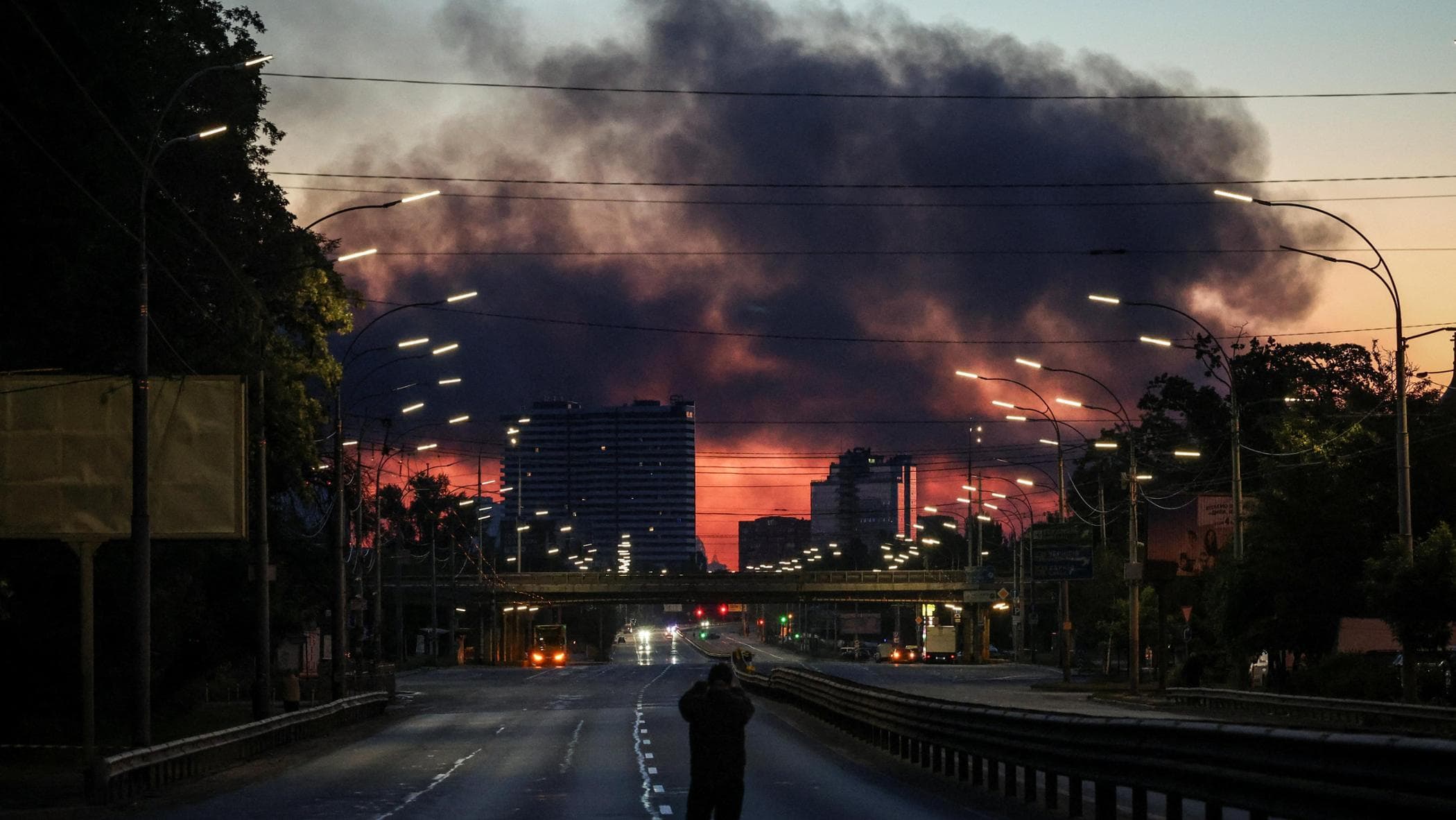
On the military front, Russia’s use of hypersonic missiles and drones in recent strikes on Ukrainian cities—including Kiev—has failed to deliver a decisive advantage. Ukrainian officials report at least 13 civilian deaths and dozens of injuries in the latest wave of attacks, which Moscow claims were necessary to “protect Russian interests.” Yet the escalation has only further strained relations with Western allies, who view the strikes as evidence of Russia’s desperation rather than strength.
Fast Facts
- Putin’s tenure: President of Russia since 2000 (with a brief hiatus as prime minister from 2008 to 2012), currently serving his fifth term.
- War in Ukraine: Began in 2022 with Russia’s full-scale invasion; now in its fifth year, with no clear end in sight.
- Economic impact: Russia’s GDP has shrunk for two quarters, with inflation and currency devaluation eroding living standards.
- Domestic sentiment: Reports indicate growing discontent among elites and business leaders over the war’s cost and Putin’s leadership.
- Recent public image: Kremlin-staged appearances, such as Putin’s visit with schoolteacher Vera Gurevich, aim to counter perceptions of weakness.
What’s Next?
With no signs of a diplomatic breakthrough in Ukraine and economic conditions continuing to deteriorate, Putin’s options appear limited. His refusal to negotiate a withdrawal has left Russia’s allies frustrated and its domestic critics emboldened. For now, the Kremlin’s strategy relies on controlling the narrative—portraying any signs of weakness as temporary setbacks in an otherwise unstoppable rise. But as the war drags on and the economy weakens, the question of how long this strategy can endure grows more urgent.

