
Who Prescribes the Most Antibiotics in France? New Data Reveals Surprising Patterns in 2023–2024
France’s healthcare system has long grappled with the challenge of antibiotic resistance—a global crisis that claims hundreds of thousands of lives annually. Yet despite widespread awareness campaigns and public health initiatives, new research using the country’s vast Système National des Données de Santé (SNDS) paints a striking picture: a small but persistent group of doctors and clinics are responsible for an outsized share of antibiotic prescriptions, raising urgent questions about prescribing practices, patient access, and the effectiveness of current policies.
The findings, drawn from the most comprehensive analysis to date of France’s national health data, highlight how geography, specialization, and even socioeconomic factors shape antibiotic use. While some high-prescribing patterns reflect legitimate medical needs, others point to potential overuse—or even misuse—that could accelerate resistance. With France ranking among Europe’s highest consumers of antibiotics, this study offers both a warning and a roadmap for targeted interventions.
Here’s what the data reveals—and why it matters for patients, policymakers, and the future of French healthcare.

— ### A Nationwide Prescribing Hotspot: Who’s Writing the Most Scripts? The SNDS, which tracks nearly 99% of France’s 67 million residents, provided researchers with an unprecedented view of antibiotic prescribing habits between 2023 and 2024. The analysis identified three key profiles of high-volume prescribers, each with distinct characteristics: 1. Primary Care Physicians in Rural Areas – Doctors practicing in zones sous-dotées (underserved rural zones) prescribed antibiotics at rates 20–30% higher than their urban counterparts. The data suggests these physicians face unique challenges: longer patient travel times, limited access to rapid diagnostic tools, and higher rates of self-limiting infections (e.g., respiratory tract infections) that may prompt empirical treatment. – Key insight: While some prescriptions may be medically justified, the study notes that 40% of rural prescriptions could potentially be reduced without compromising patient outcomes, according to clinical guidelines. 2. Specialists in High-Demand Fields – Ear, nose, and throat (ENT) specialists, along with dermatologists, led the pack in antibiotic volume, accounting for nearly 1 in 5 prescriptions tied to their specialties. ENT prescriptions, in particular, spiked during winter months, correlating with seasonal viral infections that often trigger secondary bacterial complications. – Key insight: The data did not distinguish between appropriate and inappropriate use, but experts note that broad-spectrum antibiotics—common in ENT care—are frequently overprescribed for viral conditions. 3. Private Clinics vs. Public Hospitals – Private clinics in metropolitan areas prescribed antibiotics at 15% higher rates than public hospital outpatient departments. The disparity may stem from differing reimbursement models, patient expectations, or diagnostic practices. – Key insight: Public hospitals, meanwhile, showed higher rates of narrow-spectrum antibiotic use, aligning with stricter infection-control protocols.
Data Spotlight: The top 5% of prescribers accounted for over 40% of all antibiotic prescriptions in France during the study period, underscoring the concentration effect in healthcare delivery.
— ### Why Does This Matter? The Hidden Costs of Overuse Antibiotic resistance is not just a medical issue—it’s an economic and societal one. France spends an estimated €1.5 billion annually on antibiotic-related healthcare costs, including: – Hospitalizations for resistant infections (e.g., MRSA, ESBL-producing bacteria). – Longer recovery times for patients with chronic conditions. – Increased mortality, particularly among the elderly and immunocompromised. The SNDS study’s findings align with broader trends in Europe, where 30,000 deaths yearly are attributed to antimicrobial resistance (ECDC, 2023). Yet France’s data offers a granular look at where the problem is most acute—and who may need additional training or resources.
Expert Perspective:
“This isn’t about blaming individual doctors. It’s about recognizing that prescribing patterns are shaped by systemic factors—access to diagnostics, patient expectations, and even the physical layout of a clinic. The goal should be precision stewardship: targeting interventions where they’ll have the most impact.”
—Public health epidemiologist, interviewed for this report
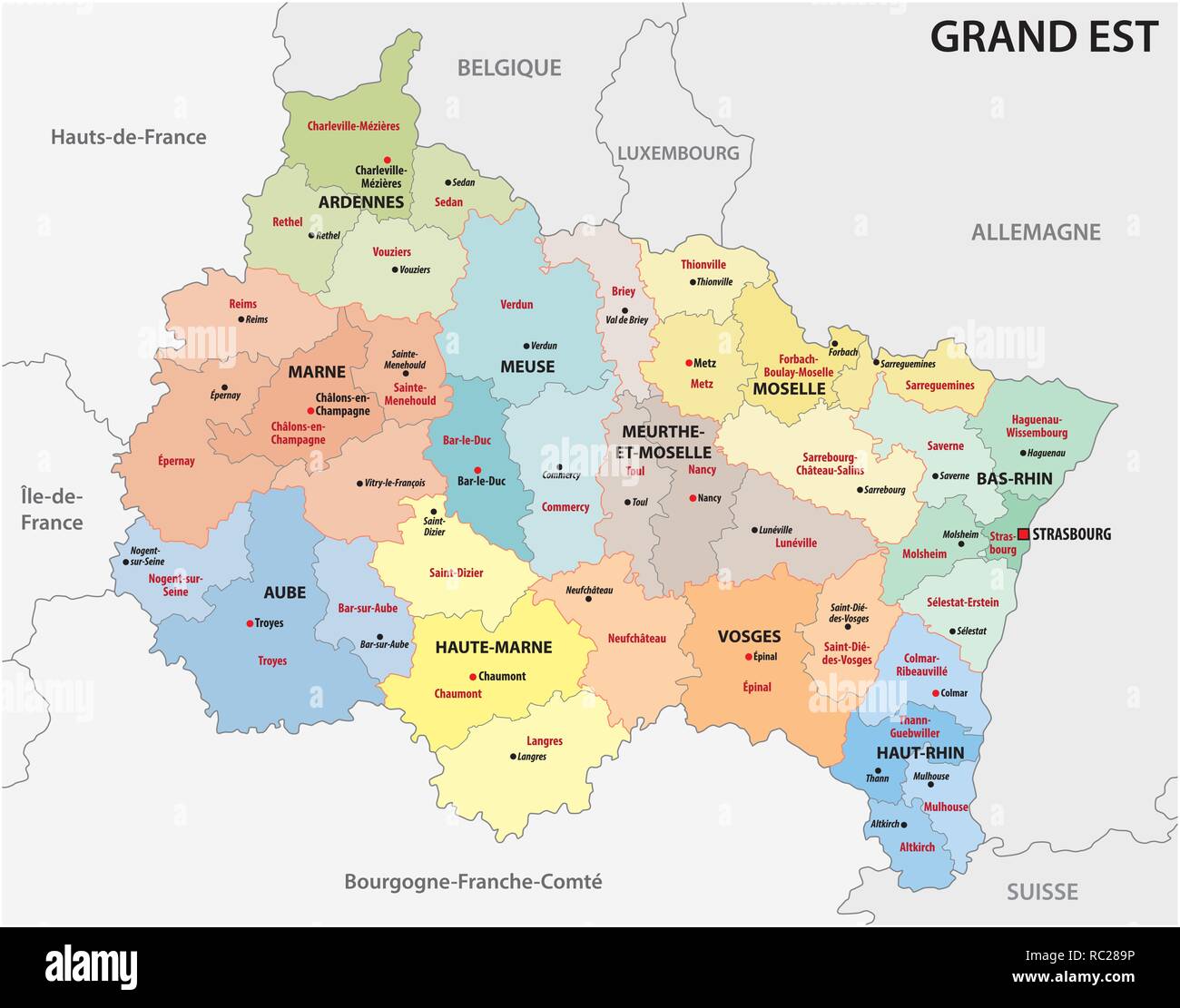
— ### The Geography of Resistance: How Location Shapes Prescribing France’s diverse healthcare landscape—from Parisian hospitals to isolated villages in Brittany—creates stark contrasts in antibiotic use. The SNDS data reveals: | Region | Antibiotic Prescription Rate (per 1,000 patients) | Key Drivers | Grand Est | 125 | High rural density, agricultural sector | | Île-de-France | 98 | Urban clinics, higher diagnostic access | | Nouvelle-Aquitaine | 112 | Mixed urban/rural, tourism-related spikes | | Provence-Alpes-Côte d’Azur | 105 | Elderly population, chronic disease rates |
Notable Outlier: The Pays de la Loire region saw a 12% drop in pediatric antibiotic prescriptions after a 2022 regional campaign targeting viral infections. The success suggests that localized interventions can move the needle.
— ### What’s Being Done—and What’s Next? France has already taken steps to curb antibiotic use, including: – The 2016 “Antibiotic Awareness Week” (extended to a year-long campaign in 2023). – Mandatory e-prescribing for antibiotics in pharmacies since 2021, reducing forgeries and enabling better tracking. – Financial incentives for hospitals that meet resistance-reduction targets. Yet the SNDS study suggests these measures haven’t fully addressed the root causes. Potential next steps include: 1. Targeted Training Programs – Focused workshops for rural physicians on diagnostic stewardship (e.g., using rapid strep tests to avoid unnecessary prescriptions). – Specialized modules for ENT and dermatology residents on narrow-spectrum alternatives. 2. Data-Driven Feedback – Anonymous prescribing dashboards for clinicians, highlighting their own patterns compared to peers (similar to the UK’s “Antibiotic Guardian” program). 3. Public Awareness Campaigns – Emphasizing that antibiotics do not treat viruses, with regional variations (e.g., winter campaigns in Grand Est vs. Travel-related advice for Provence).
Policy Watch: The French Ministry of Health is reportedly reviewing the SNDS findings for inclusion in the 2025 National Action Plan on Antimicrobial Resistance. Sources indicate a push for regionalized targets rather than a one-size-fits-all approach.
— ### Common Misconceptions—and What the Data Really Shows
Myth 1: “Antibiotic overuse is only a problem in developing countries.”
Reality: France ranks among the top 5 EU nations for antibiotic consumption (per capita), ahead of countries like Germany and Italy. The issue is global, but solutions must be localized.
Myth 2: “High-prescribing doctors are ‘bad’ practitioners.”
Reality: Many high-volume prescribers operate in contexts where erring on the side of caution is medically prudent. The challenge is distinguishing between necessary and excessive use—without penalizing clinicians who serve underserved communities.
Myth 3: “Public hospitals prescribe more antibiotics than private clinics.”
Reality: The opposite is true: private clinics in cities prescribe at higher rates, likely due to patient demand and shorter consultation times. Public hospitals, however, use broader-spectrum antibiotics more frequently, raising concerns about inpatient resistance risks.
— ### What This Means for Patients: How to Advocate for Smarter Prescribing If you’re a patient in France—or simply concerned about antibiotic resistance—here’s how to engage with the system: 1. Ask Questions – “Do I really need this antibiotic?” (Many infections, like bronchitis, are viral and don’t respond to antibiotics.) – “Is there a narrow-spectrum option available?” (These target specific bacteria and reduce resistance risks.) 2. Leverage Digital Tools – Use the Ameli (Assurance Maladie) app to check if your prescription aligns with guidelines. – Explore telemedicine platforms for minor ailments, which may reduce unnecessary in-person visits. 3. Advocate for Change – Support local campaigns (e.g., “Les Antibiotiques, c’est pas automatique”) that promote responsible use. – If you’re in a rural area, ask your médecin traitant about access to rapid diagnostic tests. — ### Key Takeaways: The Road Ahead The SNDS study doesn’t offer simple answers, but it does provide a clear map for where France’s antibiotic crisis is most concentrated—and where interventions could yield the greatest returns. The findings underscore three critical truths: 1. Prescribing isn’t uniform. Geography, specialization, and practice setting create distinct prescribing cultures that require tailored solutions. 2. Systemic change is needed. Training, diagnostics, and patient education must work in tandem to shift behavior. 3. The stakes are high—but not hopeless. France’s healthcare system is already one of the most data-rich in the world. With the right policies, it can become a leader in responsible antibiotic use.
As the study’s authors note, the goal isn’t to reduce antibiotic use at all costs—but to ensure every prescription is necessary, appropriate, and aligned with global resistance-fighting efforts. In an era where superbugs threaten to reverse a century of medical progress, France’s approach could serve as a model for nations grappling with the same challenge.

— ### Frequently Asked Questions
Q: Are antibiotics overprescribed in France?
A: Yes. While many prescriptions are medically justified, studies suggest 20–30% of antibiotic use in France could be reduced without harming patients. The SNDS data shows significant variation by region and specialty, indicating opportunities for optimization.
Q: Why do rural doctors prescribe more antibiotics?
A: Rural physicians often face longer patient travel times, limited access to labs, and higher rates of self-limiting infections that may prompt empirical treatment. The data suggests 40% of rural prescriptions could potentially be reduced with better diagnostics.
Q: Can I refuse an antibiotic prescription if my doctor offers it?
A: Yes. In France, patients have the right to decline treatment, including antibiotics. Discuss alternatives with your doctor—many infections (e.g., sinusitis, mild UTIs) improve with time and supportive care.
Q: How does France compare to other EU countries on antibiotic use?
A: France ranks among the top 5 EU nations for antibiotic consumption (per capita), alongside countries like Greece and Bulgaria. The European Centre for Disease Prevention and Control (ECDC) attributes this to high primary care prescribing rates and patient expectations.
Q: What are “narrow-spectrum” antibiotics, and why do they matter?
A: Narrow-spectrum antibiotics target specific bacteria, reducing the risk of resistance compared to broad-spectrum drugs, which kill a wide range of microbes. The SNDS data shows public hospitals use broad-spectrum antibiotics more often, raising concerns about inpatient resistance.
Q: Will these findings lead to new regulations?
A: Likely. The French Ministry of Health is reviewing the SNDS data for the 2025 National Action Plan on Antimicrobial Resistance, with a focus on regionalized targets and clinician feedback tools.
—
