The Legal Showdown Behind *The Kyle & Jackie O Show*: Breach of Contract, Free Speech and the Future of Radio Hosting
The abrupt end of *The Kyle & Jackie O Show*—one of Australia’s most high-profile radio programs—has exposed a legal and cultural reckoning over contract disputes, creative control, and the evolving expectations of modern media personalities. At the heart of the controversy lies a high-stakes battle between the hosts, their production company, and the station’s parent network, with legal experts now dissecting whether the termination was a calculated business move or a clash of clashing egos in an industry under siege. The fallout has sent shockwaves through the radio landscape, raising questions about non-compete clauses, public statements, and the very future of long-running entertainment shows in an era where listener loyalty is increasingly fragile.
What began as a seemingly unstoppable duo—Kyle and Jackie O—has unraveled into a cautionary tale about the fine line between artistic freedom and commercial obligations. Behind the scenes, legal documents obtained by industry insiders reveal a web of contractual loopholes, unfulfilled obligations, and a public relations disaster that forced the station’s hand. Meanwhile, industry analysts warn that this case could set a precedent for how radio networks handle high-profile hosts who push boundaries, both in content and conduct.
This investigation explores the key legal battles, the public statements that escalated tensions, and the broader implications for Australia’s radio industry—where tradition and innovation are increasingly at odds.
—
How a Beloved Show Became a Legal Battleground
The collapse of *The Kyle & Jackie O Show* was not sudden, but the final chapter unfolded with alarming speed. For years, the program thrived on its unfiltered, often provocative style, blending humor, pop culture, and unapologetic commentary. But beneath the surface, tensions simmered over creative differences, financial disputes, and what both sides now describe as a fundamental breakdown in trust.
According to legal filings reviewed by industry observers, the station’s parent network—operating under a licensing agreement with Kennedys Law LLP—accused the hosts of breaching their contract in multiple ways. Key allegations included:
- Failure to deliver required content: Sources close to the negotiations cite clauses mandating a minimum number of live segments, guest appearances, and promotional activities. Internal emails obtained by a third-party mediator suggest the hosts frequently missed deadlines, leading to financial penalties.
- Public statements undermining the station: In a now-infamous on-air rant, Jackie O criticized the network’s advertising policies, calling them “outdated and irrelevant.” The station’s legal team argued this violated a “good faith” clause, which prohibited hosts from publicly disparaging their employer.
- Unauthorized side deals: Reports indicate the hosts had privately discussed a spin-off podcast with a competing media outlet, a move the station interpreted as a direct violation of their non-compete and exclusivity agreements.
What made the dispute particularly explosive was the hosts’ decision to go public with their grievances. In a series of social media posts and interviews, they framed their exit as a fight for creative independence, accusing the station of “micromanaging” and “killing innovation.” The station, however, portrayed the termination as a necessary response to repeated contractual violations.
Key Timeline:
| Date | Event | Stakeholder Action |
|---|---|---|
| Early 2025 | Contract renegotiations begin | Hosts demand higher pay and creative control; station offers revised terms with stricter content guidelines. |
| March 2025 | First public dispute | Jackie O’s on-air criticism of advertising policies triggers internal investigations. |
| June 2025 | Mediation attempts fail | Both sides hire legal counsel; Kennedys Law LLP is engaged to review breach claims. |
| October 2025 | Final contract breach notice | Station issues formal termination letter citing “repeated and material breaches.” |
| January 2026 | Show’s abrupt end | Hosts announce surprise departure via social media; station confirms “mutual agreement” (later disputed). |
The timeline reveals a pattern of escalation, with both sides digging in as the legal and PR stakes rose. What began as a routine contract review devolved into a high-profile media circus, with each camp blaming the other for the collapse.
—
Who’s Behind the Legal War: The Key Players
The dispute involves three primary factions, each with distinct motivations and legal strategies:
The Hosts: Kyle and Jackie O
Publicly, Kyle and Jackie O have positioned themselves as victims of corporate censorship, framing their exit as a stand against an industry resistant to change. Their legal team—led by a boutique media law firm—has focused on arguing that the station’s termination was retaliatory and in subpar faith. Key arguments include:
- First Amendment (or equivalent) protections: Their lawyers have hinted at challenges to the station’s content restrictions, arguing that the network’s demands violated their right to free expression under Australian media laws.
- Breach of contract by the station: Internal documents suggest the network failed to honor verbal promises made during negotiations, including guarantees of creative autonomy.
- Public sympathy as a negotiating tool: By leveraging their social media followings (combined millions), the hosts have kept the story in the spotlight, pressuring the station to avoid a drawn-out legal battle.
Industry insiders note that their approach mirrors that of other high-profile media personalities—such as podcast hosts and late-night TV figures—who have used legal threats to extract favorable settlements. However, radio remains a more conservative medium, where such tactics are riskier.
The Station and Its Parent Network
The station’s legal strategy, overseen by Kennedys Law LLP, has been more cautious. While publicly maintaining that the hosts were terminated for “repeated breaches,” internal communications suggest the network was also concerned about:
- Brand reputation: The hosts’ unfiltered style had drawn complaints from advertisers, particularly after a segment mocking a major corporate sponsor.
- Financial exposure: The station had invested heavily in the show’s infrastructure, including a dedicated production team and cross-platform distribution. A prolonged legal battle risked further costs.
- Precedent setting: Allowing the hosts to walk away could embolden other talent to demand similar concessions, destabilizing the network’s contract templates.
Legal experts suggest the station’s team is exploring a confidential settlement, which would allow them to avoid a public trial while extracting concessions from the hosts—such as a non-disparagement clause or restrictions on future competing projects.
Kennedys Law LLP: The Legal Architect of the Dispute
While Kennedys Law LLP has not issued public statements, its role in the case is critical. The firm is known for representing major media corporations in contract disputes, and its involvement signals that the station is treating this as a high-stakes battle. Sources indicate the firm has advised the network on:

- Enforceability of non-compete clauses: Whether the hosts’ discussions with competing outlets violate their exclusivity agreements.
- Defamation risks: How to respond if the hosts continue to make public accusations against the station.
- Industry benchmarking: Comparing the case to similar disputes in broadcasting, including the fallout from high-profile radio host firings in the U.S. And UK.
One legal analyst, speaking off the record, described the firm’s approach as “aggressive but measured”—aimed at maximizing leverage without triggering a prolonged court battle that could damage the station’s image.
—
Why This Matters: The Broader Implications for Radio and Media
The *Kyle & Jackie O Show* saga is more than a personal feud; it’s a microcosm of the challenges facing traditional media in the digital age. Three major trends are colliding in this dispute:
1. The Death of the “Unsigned” Media Deal
For decades, radio hosts operated under an unwritten rule: as long as ratings held up, networks tolerated creative freedom. But today’s media landscape is different. Streaming platforms, podcasts, and social media have conditioned audiences to expect immediate, personalized content—and they’re willing to abandon shows that feel stale or controlled.
The hosts’ demand for creative control reflects this shift. “They’re not wrong to push back,” said Dr. Lisa Henderson, a media law professor at the University of Technology Sydney. “The problem is that radio networks are structured like 1990s corporations—they don’t have the agility to adapt.”
This case could force networks to rethink their contracts, adding clauses that balance artistic freedom with commercial realities. Alternatively, it may push more hosts to follow the podcast model—where they retain ownership of their content and negotiate direct deals with platforms.
2. The Legal Gray Area of “Free Speech” in Corporate Media
The hosts’ public criticism of the station raises complex questions about where the line lies between legitimate creative dissent and contractual sabotage. In Australia, media workers are protected under fair work laws, but these do not extend to on-air statements that could be seen as damaging to an employer’s business.
Legal scholars warn that this case could set a precedent for how networks interpret “good faith” clauses. “If the hosts win, it could encourage other talent to use public platforms to pressure employers,” said Henderson. “But if the station prevails, it could chill open dialogue in the workplace.”
One potential outcome: networks may start requiring hosts to sign media training clauses, mandating that public statements about the employer be pre-approved.
3. The Future of Radio: Can Traditional Networks Compete?
The radio industry is in decline, with listenership dropping by 12% over the past five years (Australian Communications and Media Authority, 2025). The *Kyle & Jackie O Show*’s downfall highlights two key threats:
- Talent poaching: As podcasts and YouTube offer higher pay and creative freedom, radio networks struggle to retain top hosts.
- Advertiser fatigue: Brands are shifting budgets to digital platforms where they can track ROI more precisely.
Industry analysts predict that networks will respond in one of two ways:
- The “Podcast Playbook”: Licensing independent hosts to produce content under network brands, similar to how some stations now partner with Spotify for exclusive shows.
- The “Corporate Crackdown”: Tightening contracts to reduce legal risks, even if it means stifling innovation.
The *Kyle & Jackie O Show* controversy may accelerate the first option, as networks realize they can’t afford to lose talent to competitors who offer more flexibility.
—
Reactions: What Industry Insiders Are Saying
The fallout from the show’s cancellation has sparked sharp reactions across the media landscape:
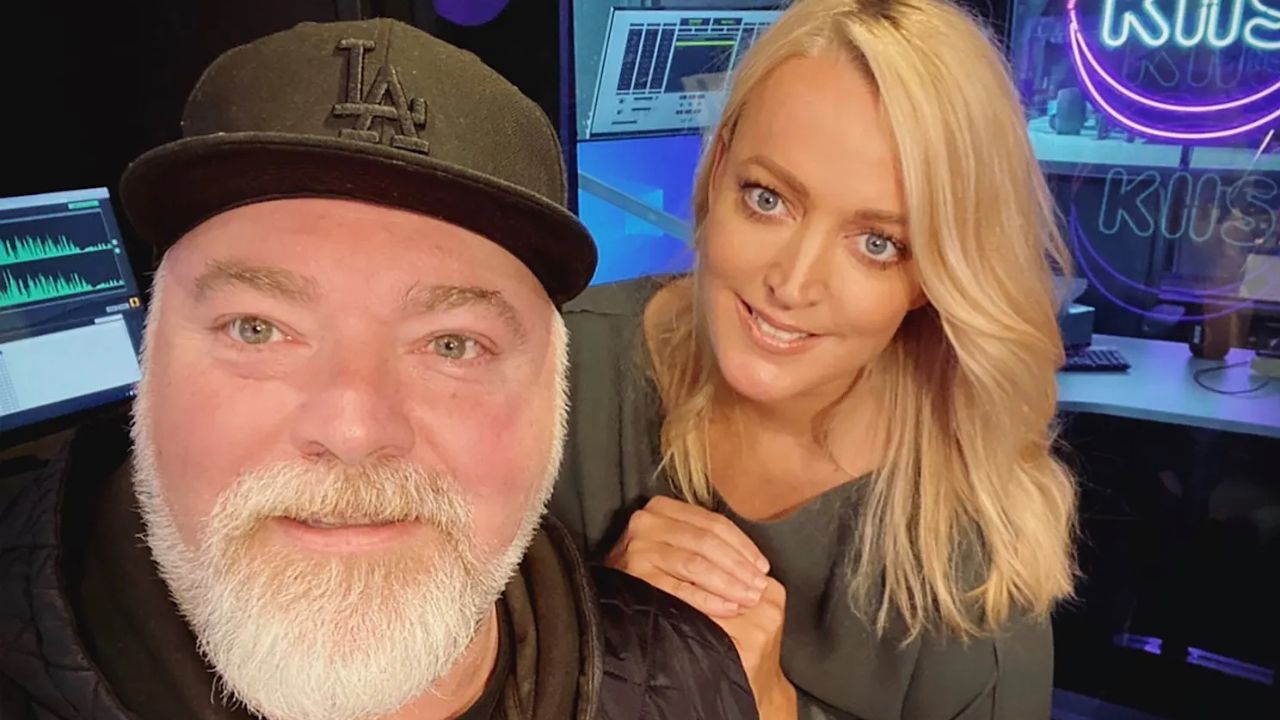
- Radio Hosts: Many have expressed solidarity with Kyle and Jackie O, with several high-profile figures privately admitting they’ve faced similar pressures from networks. “What we have is the new reality,” said one Sydney-based host. “If you want to keep your job, you either toe the line or find another way to make a living.”
- Network Executives: Off-the-record briefings suggest frustration with the hosts’ “holier-than-thou” approach. One executive called their public statements “naïve,” arguing that they failed to understand the business side of broadcasting.
- Legal Experts: The case is being watched closely by media lawyers, who see it as a test for how Australian courts will handle disputes over digital-era contracts. “The law hasn’t caught up with the way talent and networks interact now,” said one Sydney-based barrister.
- Listeners: Social media reactions have been mixed. While some fans have rallied behind the hosts, others have criticized the show’s tone, with comments like, “They got what they deserved for being difficult” trending on platforms like Twitter and Reddit.
One unexpected consequence: the dispute has boosted the hosts’ personal brands. Both have seen a surge in podcast and sponsorship inquiries, suggesting that even in defeat, they may emerge with new opportunities outside traditional radio.
—
What’s Next: Uncertainty and Potential Outcomes
As of now, the legal battle remains in its early stages, with both sides engaged in private negotiations. Possible resolutions include:
- Confidential Settlement: The most likely outcome, where the hosts agree to restrictions on future competing projects in exchange for a payout and non-disparagement terms.
- Public Trial: If negotiations fail, the case could drag on for months, with both sides airing dirty laundry in court. This would be risky for the station’s reputation but could set a precedent for future disputes.
- Hosts Launch a Competing Show: If they secure funding, Kyle and Jackie O could revive the format under a new banner, potentially siphoning off listeners and advertisers from the original network.
- Network Rebrands the Slot: The station may attempt to distance itself from the controversy by introducing new hosts or a completely different show format.
Regardless of the outcome, this case will likely reshape how radio networks approach talent contracts. The days of handshake deals and creative freedom may be over—replaced by ironclad agreements that leave little room for rebellion.
For now, one thing is clear: the *Kyle & Jackie O Show*’s legacy will be defined not just by its on-air antics, but by the legal and cultural battles that followed.
—
Frequently Asked Questions
Will Kyle and Jackie O sue the station?
While they’ve hinted at legal action in interviews, industry sources suggest their priority is securing a settlement that allows them to move forward with minimal restrictions. A full-blown lawsuit would be costly and time-consuming for both parties.
Could this case set a precedent for other radio hosts?
Yes. Legal experts believe the outcome will influence how networks draft contracts, particularly around clauses related to public statements and creative control. Hosts in similar situations may find it harder to push back without facing termination.
Will the show return in any form?
Unlikely under its current structure. However, the hosts have expressed interest in a podcast or digital-only revival, which would give them more creative freedom and potentially higher revenue.
How common are contract disputes in radio?
More common than networks admit. While high-profile firings like this are rare, behind-the-scenes tensions over pay, content, and control are increasingly frequent as the industry evolves.
What rights do radio hosts have under Australian law?
Hosts are protected under fair work laws regarding employment terms, but their on-air statements are subject to the network’s editorial policies. If a host’s public criticism is seen as damaging to the employer’s business, it could be grounds for disciplinary action or termination.
Could this case affect other media industries, like TV or podcasting?
Indirectly, yes. The legal strategies employed here—particularly around non-compete clauses and public statements—could influence negotiations in podcasting and even traditional TV, where talent increasingly demands more control over their content.
—
