
Thomas Partey denied entry to Canada, will miss Ghana’s World Cup opener – ESPN
Thomas Partey will miss Ghana’s opening match of the 2026 World Cup after Canada denied his entry into the country. According to reports from ESPN and the BBC, the midfielder’s visa application was refused, preventing him from participating in the first game against Panama. The decision leaves the Ghanaian national team without a key starter for their tournament debut.
Why was Thomas Partey denied entry to Canada?
Canada refused Thomas Partey’s visa application, which effectively bars him from entering the country for the start of the tournament. While the BBC and The Guardian reported the absence as a result of a “refused” visa application, The Telegraph provided more specific detail, stating that the denial is linked to rape charges facing the player.
Canadian immigration law generally maintains strict standards regarding “criminal inadmissibility.” Under these regulations, individuals with certain criminal convictions or pending serious charges can be deemed inadmissible to Canada. The Telegraph’s reporting suggests that these legal complications were the primary driver behind the visa refusal, although official statements from Canadian immigration authorities were not cited in the initial reports.
The disparity in reporting between outlets highlights the nature of the disclosure:
- ESPN and BBC: Focused on the operational result—the denied entry and the subsequent absence from the squad.
- The Guardian: Identified the mechanism of the absence as a refused visa application.
- The Telegraph: Linked the visa refusal directly to specific legal allegations involving rape charges.
How does this affect Ghana’s World Cup opener?
Ghana will face Panama in their first match of the 2026 World Cup without Partey in the lineup, according to TNT Sports. This creates a significant tactical void in the center of the pitch. Partey typically serves as the primary defensive midfielder, responsible for breaking up opposition attacks and transitioning the ball from defense to offense.
The loss of a starting midfielder just before the opening whistle forces the Ghanaian coaching staff to restructure their midfield pairing. Without Partey’s ability to shield the back four, Ghana may be more vulnerable to Panama’s counter-attacks. The team must now rely on squad depth to fill a role that Partey has occupied as a cornerstone of the national team for several years.
| Reported Detail | Source | Impact |
|---|---|---|
| Visa application refused | BBC / The Guardian | Prevents travel to Canada |
| Denied entry over rape charges | The Telegraph | Legal basis for inadmissibility |
| Missing game vs. Panama | TNT Sports | Tactical loss for Ghana |
What are the legal implications of the visa refusal?
A visa refusal for a high-profile athlete during a global event often stems from the host country’s security and legal screenings. In this instance, the Canadian government’s decision to deny Partey entry indicates that the player did not meet the criteria for a temporary resident visa. Because the 2026 World Cup is co-hosted by the United States, Canada, and Mexico, players must secure valid entry permits for the specific country where their matches are located.
The Telegraph’s mention of rape charges suggests a conflict with Canada’s Immigration and Refugee Protection Act. This act allows officials to deny entry to persons who have been convicted of a crime in any country, or who are deemed a risk to the security or health of the public. While charges are not convictions, Canadian immigration officers have broad discretion to refuse visas based on the perceived risk or the nature of the allegations.
This situation creates a complex legal hurdle for Partey. A visa refusal is not always a permanent ban, but reversing such a decision typically requires a legal appeal or the presentation of new evidence—processes that often take longer than the window available before a World Cup match.
Who will replace Thomas Partey in the Ghanaian lineup?
The Ghanaian technical team must now find a replacement who can replicate Partey’s defensive coverage and passing range. Ghana’s squad depth will be tested immediately against Panama. The coaching staff will likely look toward other defensive-minded midfielders to slot into the “number 6” role.
Historically, Ghana has produced several strong midfielders, but Partey’s experience in the English Premier League has made him a preferred choice for managing the tempo of international matches. His absence means the team may have to shift to a more conservative tactical setup or rely on a less experienced player to handle the pressure of a World Cup opener.
Key tactical challenges Ghana now faces include:
- Ball Recovery: Partey is a specialist in interceptions; his replacement must maintain the same level of defensive intensity.
- Distribution: The transition from the defensive third to the attacking third may slow down without Partey’s long-range passing.
- Leadership: As a senior player, Partey provides a calming influence in high-stakes environments.
Context: The 2026 World Cup hosting structure
The 2026 World Cup is the first of its kind to be hosted by three nations: the United States, Canada, and Mexico. This arrangement introduces unprecedented logistical challenges regarding visas and border crossings. Players must navigate three different sets of immigration laws depending on where their group stage and knockout matches are scheduled.
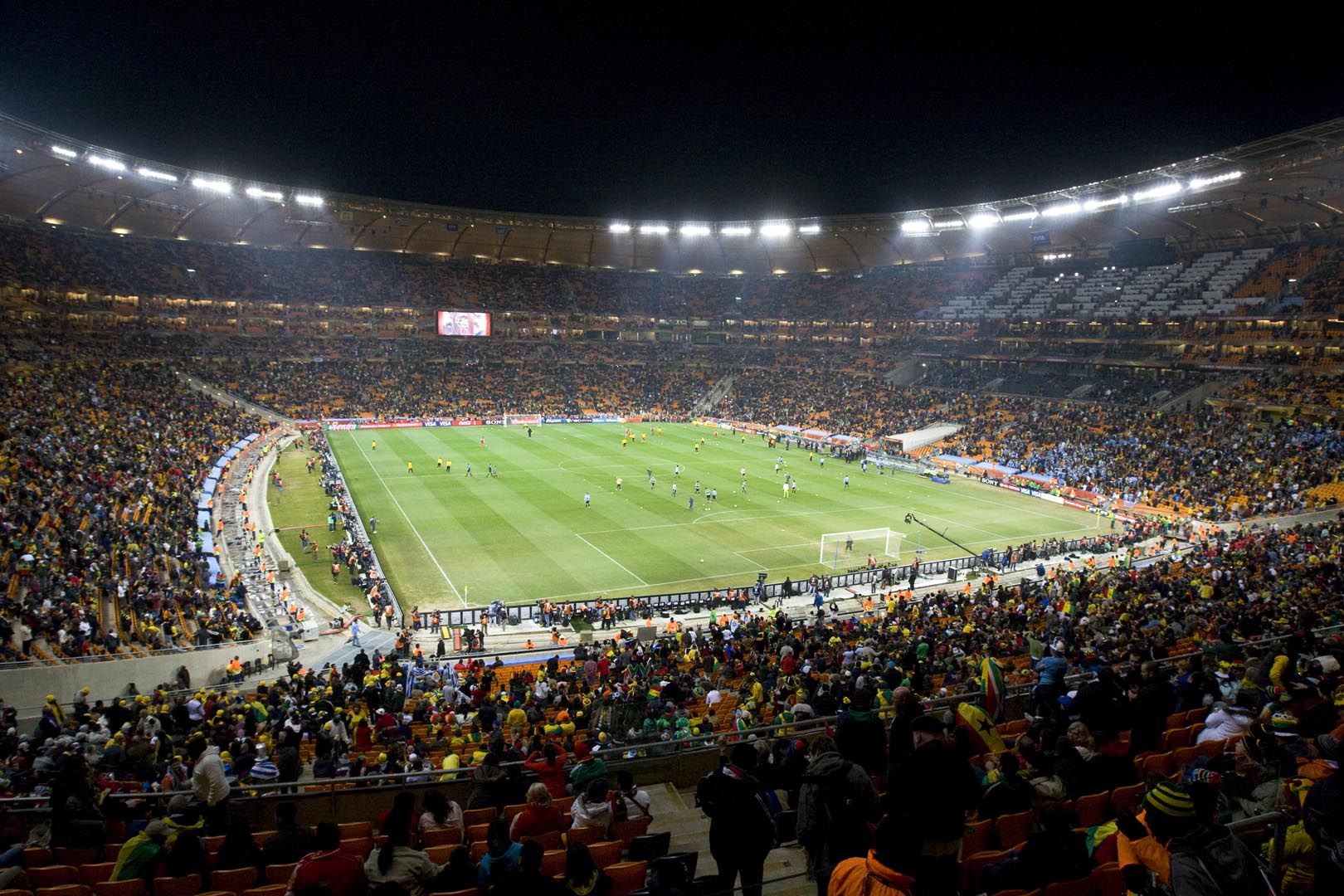
The case of Thomas Partey underscores the risk inherent in this multi-nation format. A player might be eligible to enter the United States or Mexico but be deemed inadmissible by Canadian authorities. This means a player could potentially participate in some World Cup matches but be barred from others based solely on the location of the stadium.
This creates a unique scenario where a national team’s roster could change not because of injury or form, but because of the geopolitical and legal requirements of the host cities. If Ghana’s subsequent matches are held in the U.S. or Mexico, Partey could theoretically return to the squad, provided those nations grant him entry.
For more information on how tournament logistics are handled, see this related explainer on World Cup hosting requirements.
Comparing the reporting on Partey’s absence
The reporting on this story varies significantly across major news outlets, reflecting different levels of investigative depth and focus. ESPN and the BBC led with the immediate sports impact—the fact that the player is missing the game. This is standard for sports-centric reporting, where the primary concern is the roster and the match outcome.
The Guardian provided a bridge by specifying that the “visa application” was the cause. This moves the story from a general “absence” to a specific administrative failure. However, The Telegraph provided the most substantial “information gain” by attributing the visa refusal to rape charges. This transforms the story from a sports logistics issue into a legal and ethical controversy.
This contrast shows how a single event—a player missing a game—can be framed in three different ways: as a sports tragedy (ESPN), an administrative hurdle (The Guardian), or a legal consequence (The Telegraph). For the reader, the combined reporting provides a full picture: the what (missing the game), the how (visa refusal), and the why (legal charges).
Common misconceptions about athlete visas
A common misconception is that professional athletes are granted automatic entry to host countries due to the prestige of the event. In reality, sporting visas are still subject to the same national security and criminal background checks as any other travel document. While host nations often expedite the processing of these visas, they rarely waive the requirements for entry.
Another misconception is that a “visa refusal” is the same as a “deportation.” In Partey’s case, he was denied entry, meaning he was not allowed to enter Canada in the first place. Deportation occurs after a person has already entered a country and is then ordered to leave. The distinction is important because a denial of entry often happens during the application phase, preventing the individual from ever boarding the plane or crossing the border.
Finally, some may assume that the football federation (GFA) or the tournament organizers (FIFA) can override a national government’s immigration decision. This is incorrect. National sovereignty over borders is absolute; neither FIFA nor a national sports body has the authority to force a country to grant a visa to an individual deemed inadmissible by that country’s laws.
FAQ: Thomas Partey and the Canadian Visa Denial
Why is Thomas Partey missing Ghana’s first World Cup game?
According to ESPN and the BBC, Thomas Partey was denied entry to Canada after his visa application was refused. Because Ghana’s opening match is located in Canada, he is unable to travel to the host city and will miss the game.
What is the reason for the visa refusal?
While some outlets reported it generally as a visa refusal, The Telegraph reported that the denial is linked to rape charges facing the player, which likely triggered Canadian inadmissibility laws.

Who is Ghana playing in their World Cup opener?
According to TNT Sports, Ghana is scheduled to play against Panama in their first match of the tournament.
Could Thomas Partey play in later World Cup matches?
It is possible, provided the later matches are held in the United States or Mexico and those countries grant him entry. The current denial only applies to his entry into Canada.
Does a visa refusal mean he is banned from the World Cup?
No, it means he is barred from entering a specific host country. He remains a part of the Ghana squad, but his availability depends on the location of the matches and the immigration laws of the host nation.
The Ghanaian national team now faces the immediate challenge of adapting their strategy for the Panama match. As the tournament progresses, the focus will likely shift to whether Partey can be integrated back into the squad for matches played outside of Canadian borders.
