
The Stage is Set for World Cup Opening Ceremony — and Canada’s 1st Game
Canada is finalizing preparations for its role as a co-host of the 2026 FIFA World Cup, focusing on the tournament’s opening ceremony and the Canadian Men’s National Team’s first match. According to FIFA, the 2026 event will be the first to feature 48 teams and be hosted across three nations: Canada, Mexico, and the United States.
Where will the World Cup opening ceremony and Canada’s first game take place?
The 2026 FIFA World Cup will utilize a distributed hosting model across North America. While the opening match is scheduled for the Estadio Azteca in Mexico City, Canada’s inaugural match will be held at one of its two designated host venues: BMO Field in Toronto or BC Place in Vancouver. FIFA officials have confirmed that these stadiums meet the strict requirements for international competition, including pitch dimensions and spectator capacity.
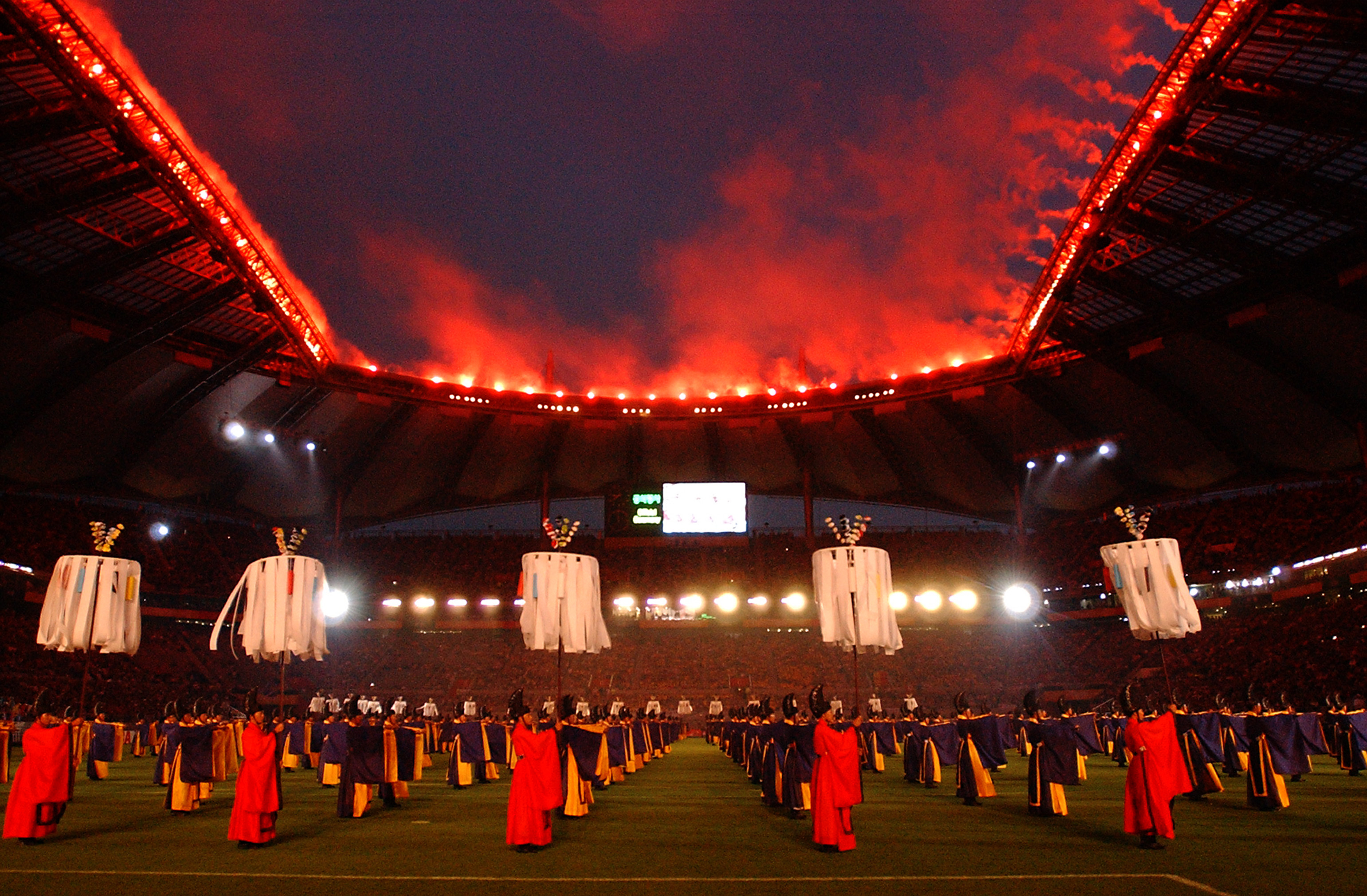
The opening ceremony is expected to reflect the multicultural identities of the three host nations. Tournament organizers have indicated that the ceremony will emphasize unity and the expanded scale of the competition, which now includes more representatives from Africa, Asia, and North America than any previous iteration of the tournament.
Key Venue Details for Canada:
- Toronto (BMO Field): A primary hub for group stage matches, known for its intimate atmosphere and proximity to downtown.
- Vancouver (BC Place): A retractable-roof stadium capable of hosting high-capacity crowds regardless of weather conditions.
How does the 48-team format change the tournament structure?
The transition from 32 to 48 teams represents the most significant structural change in FIFA World Cup history. According to official FIFA tournament regulations, the competition will move from eight groups of four to 12 groups of four. This expansion increases the total number of matches from 64 to 104.
For Canada, this expansion alters the path to the knockout stages. The top two teams from each group, along with the eight best third-place finishers, will advance to a newly created round of 32. This added layer of competition increases the physical demand on players and extends the duration of the tournament.
| Feature | Previous Format (32 Teams) | New Format (48 Teams) |
|---|---|---|
| Total Matches | 64 | 104 |
| Group Structure | 8 groups of 4 | 12 groups of 4 |
| Knockout Entry | Top 2 per group | Top 2 + 8 best 3rd place |
| Total Days | Approx. 30 | Approx. 39 |
Why is Canada’s first game a critical milestone for the national team?
Playing a first-round match on home soil provides a psychological and logistical advantage that Canada has not experienced in a World Cup since 1986. According to sports analysts and team historians, the “home-field advantage” in soccer involves more than just crowd support; it reduces travel fatigue and allows the team to maintain a consistent training regimen in familiar environments.
The Canadian Men’s National Team enters the 2026 tournament with a different profile than in previous appearances. Following their qualification for the 2022 World Cup in Qatar, the squad has integrated more players from top-tier European leagues, increasing their tactical maturity. The first game is viewed by coaching staff as the primary opportunity to establish momentum and secure a result that could facilitate a deeper run into the knockout stages.
“The opportunity to open a World Cup campaign in front of a home crowd transforms the pressure into energy,” according to technical reports on the Canadian squad’s preparation.
What are the logistical challenges of a three-country host model?
Hosting a tournament across Canada, Mexico, and the United States introduces unprecedented logistical complexity. Unlike the 2022 World Cup in Qatar, where all venues were within a short drive of one another, the 2026 edition requires massive air travel for teams, officials, and fans.
FIFA and the host committees are implementing “regional clusters” to minimize travel. Teams will be grouped into geographic zones to ensure they aren’t flying across the continent between group stage matches. However, the movement of fans across borders remains a primary concern. Immigration authorities in all three countries are coordinating on specialized “fan visas” and streamlined entry processes to prevent bottlenecks at major airports and land crossings.
Primary Logistical Hurdles:
- Visa Coordination: Aligning entry requirements for 48 different nations across three different legal jurisdictions.
- Time Zone Shifts: Managing match schedules that span multiple time zones to maximize global viewership.
- Transportation: Coordinating charter flights and secure ground transport for teams in cities with varying infrastructure quality.
How does the 2026 World Cup compare to previous tournaments?
The 2026 event is a stark contrast to the centralized model used in Qatar 2022. While Qatar offered a compact, high-efficiency experience, the 2026 tournament is designed for scale and accessibility. The objective is to “democratize” the World Cup by bringing the game to the largest possible audience in the most populous region of the world.
Historically, Canada’s presence in the World Cup has been sporadic. The 1986 appearance was a landmark event, but the team struggled to advance. The 2022 appearance showed growth, but the 2026 tournament represents a shift from being a mere participant to being a stakeholder in the event’s success. This shift is evident in the infrastructure investments made in Toronto and Vancouver, which are being upgraded to meet FIFA’s “World Cup Standard.”
Related explainer on FIFA stadium requirements provides more detail on the specific lighting, turf, and security standards required for these venues.
What is the economic impact of hosting the World Cup in Canada?
Government reports suggest that hosting World Cup matches will generate significant short-term economic activity through tourism, hospitality, and transportation. The influx of international fans is expected to fill hotels and restaurants in Toronto and Vancouver, creating a “multiplier effect” in the local service economy.
However, some economists warn against “white elephant” syndrome—the risk of building massive infrastructure that becomes useless after the event. Canada has mitigated this risk by utilizing existing stadiums (BMO Field and BC Place) and focusing on renovations rather than new construction. This approach ensures that the investment serves the community long after the final whistle of the tournament.
Estimated Economic Drivers:
- Tourism: High-spending international visitors from Europe, South America, and Asia.
- Job Creation: Temporary employment in event management, security, and hospitality.
- Brand Equity: Increased global visibility for Canadian cities as premier travel destinations.
Common misconceptions about the 2026 World Cup
There are several recurring misunderstandings regarding the structure and hosting of the 2026 event. Many fans believe that the opening ceremony will take place in Canada because it is a co-host; however, FIFA has designated Mexico as the site for the opening match. The ceremony in Canada will be localized to the matches held within its borders rather than being the primary global launch event.
Another common misconception is that Canada’s first game is guaranteed to be in a specific city. While Toronto and Vancouver are the only venues, the specific assignment of the opening match for the Canadian team depends on the final group draw, which FIFA conducts closer to the tournament date. The team could play their first game in either city, or potentially in a U.S. city if the group logistics dictate a different arrangement.
What to expect from the Canadian team’s tactical approach?
The Canadian squad has evolved from a counter-attacking side to one capable of controlling possession. According to performance data from recent international windows, Canada has focused on high-pressing tactics and utilizing the speed of their wingers to exploit gaps in defensive lines.
The challenge for the first game will be managing the immense expectations of a home crowd. In previous tournaments, Canada played as the underdog with little pressure. In 2026, as co-hosts, they will be expected to dominate. This shift in psychological dynamics often leads to “home-game nerves,” which the coaching staff is addressing through simulated high-pressure environments in training.
Related analysis on CONCACAF qualification trends highlights how Canada’s recent form compares to regional rivals like the U.S. and Mexico.
FAQ: Understanding the World Cup Opening and Canada’s Role
Will Canada play the very first match of the tournament?
No. According to FIFA, the opening match of the 2026 World Cup is scheduled to take place at the Estadio Azteca in Mexico City. Canada will play its first match as part of the group stage, but not as the opening game of the entire tournament.
How many matches will be played in Canada?
While the exact number of matches is subject to the final schedule, Canada is slated to host several group stage matches and potentially some knockout round games in Toronto and Vancouver.
Where can fans buy tickets for Canada’s first game?
Tickets are sold exclusively through the official FIFA ticketing portal. Fans are advised to avoid third-party resellers to ensure the validity of their entries.
Is the opening ceremony only in one city?
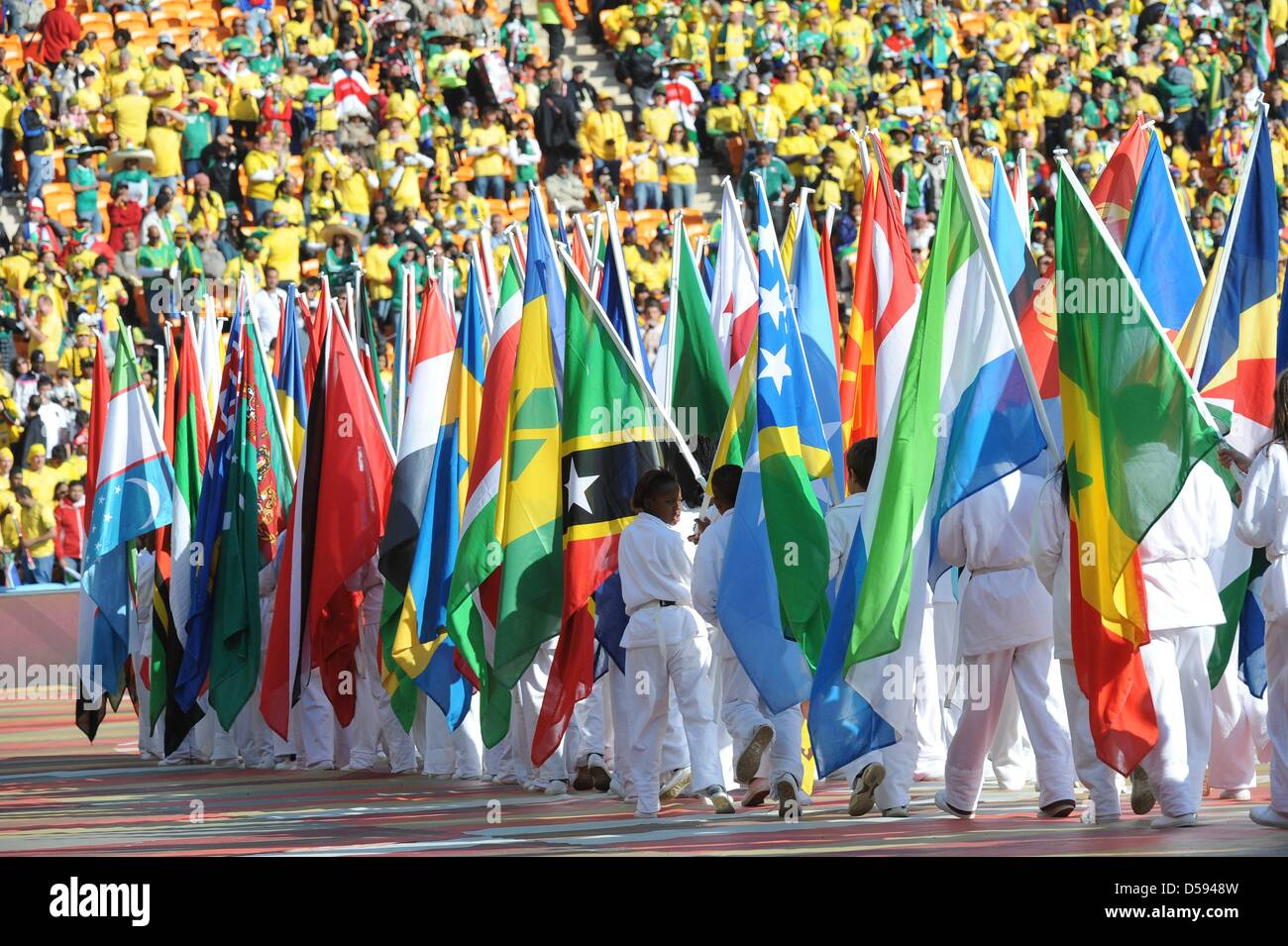
The primary global opening ceremony occurs at the opening match venue. However, host cities often organize local “fan festivals” and welcoming ceremonies to mark the start of the tournament in their respective regions.
How does the 48-team format affect the chance of Canada advancing?
The expanded format provides a slightly wider window for advancement, as the top eight third-place teams now move forward. This reduces the penalty for a single loss in the group stage, providing a safety net that didn’t exist in the 32-team era.
Looking toward the first whistle
The preparation for the 2026 World Cup has moved from the planning phase to the execution phase. With venues secured and the 48-team format established, the focus now shifts to the Canadian Men’s National Team’s ability to perform under the spotlight of home support. The coordination between Canada, Mexico, and the United States represents a new era of sporting cooperation, turning the tournament into a continental celebration rather than a single-nation event. As the countdown continues, the synergy between infrastructure readiness and athletic preparation will determine if Canada can translate its co-hosting status into a historic deep run in the competition.
