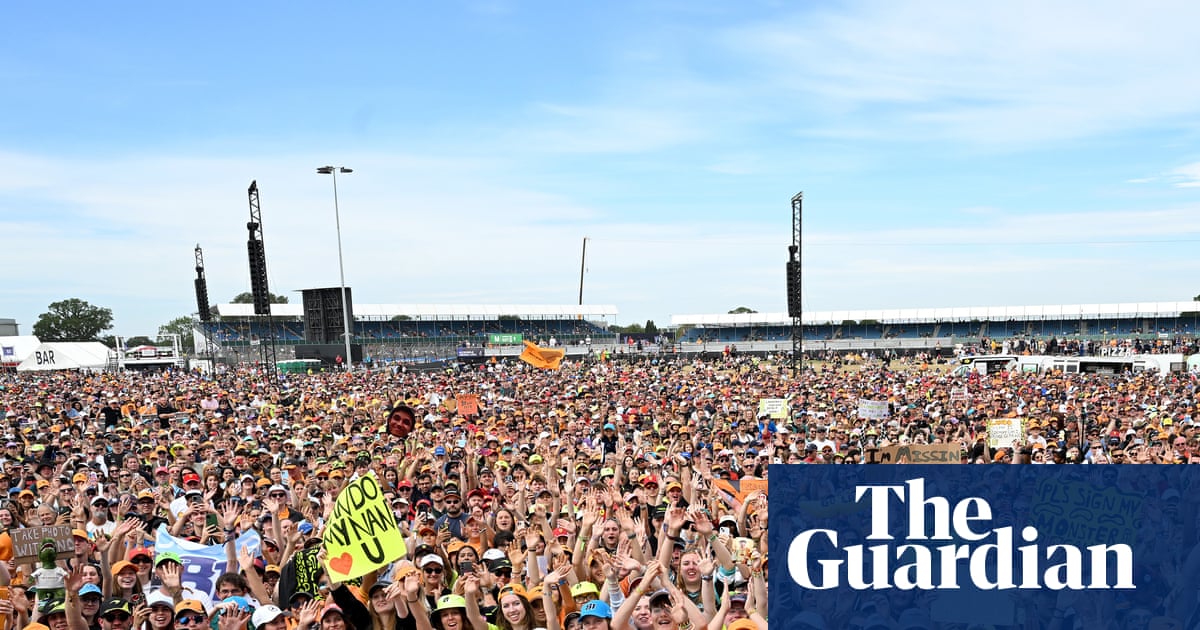
The Glastonbury of Motorsport: How Silverstone Became the Biggest GP in F1 History – The Guardian
Silverstone has evolved from a traditional racing circuit into a massive cultural festival, drawing record-breaking crowds that mirror the scale and atmosphere of events like Glastonbury. This shift reflects a broader trend in Formula 1 toward “sportainment,” combining elite racing with immersive fan experiences, massive camping infrastructure, and a demographic shift in viewership. According to attendance data and event reports, the British Grand Prix now functions as a multi-day destination event rather than a three-hour sporting contest.
Why is Silverstone now described as the “Glastonbury of motorsport”?
The comparison to Glastonbury stems from the sheer scale of the fan experience and the logistical transformation of the Northamptonshire countryside into a temporary city. While most Formula 1 races are viewed as prestige sporting events with a defined start and end, Silverstone has transitioned into a lifestyle festival. Fans no longer arrive solely for the Sunday race; they occupy the site for days, living in sprawling tent cities and engaging in a curated ecosystem of music, food, and brand activations.
Circuit organizers have leaned into this “festivalization.” The event now incorporates massive fan zones, live music stages, and interactive exhibits that keep attendees engaged long after the cars have left the track. This approach targets a newer generation of fans who prioritize the “experience” and the social currency of attending a major event over the technical minutiae of lap times and tire degradation.
- Massive Camping Infrastructure: Thousands of fans camp on-site, creating a communal atmosphere that persists throughout the weekend.
- Diversified Entertainment: The integration of non-racing entertainment, including concerts and gaming hubs.
- Crowd Density: Record-breaking attendance figures that push the physical limits of the circuit’s capacity.
- Cultural Integration: A shift where the event is as much about fashion and social media presence as it is about the sport.
How did Silverstone achieve record-breaking attendance?
The surge in attendance at the British Grand Prix is the result of a perfect storm: the global expansion of F1 under Liberty Media, the narrative drive of the Netflix series Drive to Survive, and a strategic shift in how the circuit markets itself. According to industry analysis, F1 has successfully pivoted from a niche European sport to a global entertainment product, which has seen a massive influx of younger, more diverse fans, particularly from the United States and Asia.
Silverstone has capitalized on this by expanding its ticketing tiers and improving accessibility. The circuit has moved away from a rigid, traditional seating model toward more flexible “General Admission” areas that allow fans to roam the site, mirroring the free-roaming nature of a music festival. This has allowed the event to scale its capacity significantly, turning the British GP into one of the highest-attended races on the F1 calendar.
The growth is not just numerical but demographic. Reports indicate a significant increase in female attendees and younger fans who view the Grand Prix as a “bucket list” experience. This shift has forced the circuit to upgrade its facilities, from sanitation and food vendors to digital connectivity, to accommodate a crowd that expects a modern festival standard of service.
What is the historical significance of Silverstone to Formula 1?
Silverstone holds a unique position in motorsport history as the site of the first-ever Formula 1 World Championship race in 1950. Originally a Royal Air Force bomber station during World War II, the circuit’s layout was dictated by the runways and perimeter roads of the airfield. This heritage provides a layer of prestige that newer, “Tilke-designed” street circuits in cities like Jeddah or Las Vegas cannot replicate.
The transition from a wartime airfield to a global sporting mecca occurred over several decades. In the early years, the event was a gathering of automotive enthusiasts and engineers. However, as F1 grew in popularity, Silverstone became the spiritual home of the sport, particularly given the UK’s role as the “Motorsport Valley”—the region where the majority of F1 teams are based.
| Era | Focus of the Event | Fan Experience |
|---|---|---|
| 1950s – 1970s | Pure Competition | Grass banks, limited facilities, enthusiast-driven. |
| 1980s – 2000s | Commercial Growth | Grandstands, professional ticketing, corporate hospitality. |
| 2010s – Present | Sportainment / Festival | Massive camping, fan zones, multi-day immersive experiences. |
How does the Silverstone experience compare to other Grand Prix?
When compared to other marquee events on the F1 calendar, Silverstone represents a distinct model of engagement. While the Monaco Grand Prix is defined by exclusivity, luxury, and restricted access, Silverstone is defined by volume, accessibility, and communal energy. Monaco is a high-fashion gala; Silverstone is a muddy, loud, and energetic party.
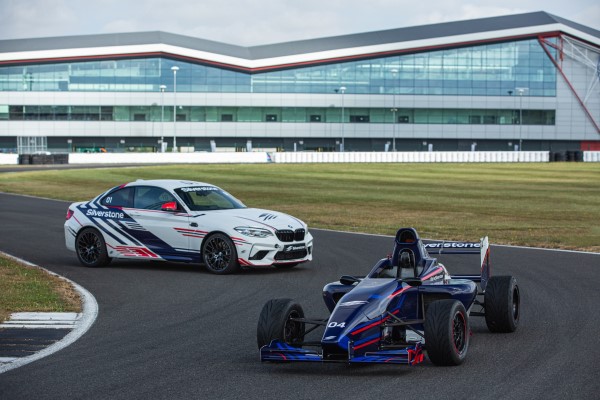
Similarly, the contrast with Spa-Francorchamps in Belgium is notable. While Spa offers a breathtaking natural landscape and a traditional racing atmosphere, it lacks the “festival city” infrastructure that Silverstone has developed. Silverstone has effectively merged the sporting prestige of Spa with the commercial scale of a US-style Super Bowl event.
“The shift at Silverstone isn’t just about more people; it’s about a different kind of person attending. We are seeing the ‘event-ification’ of the sport, where the race is the center of the circle, but the circle has grown to include everything from glamping to electronic music.”
This evolution creates a tension between “purists”—who prefer the quiet focus on the racing—and the “new wave” of fans. However, from a commercial standpoint, the festival model is far more lucrative, allowing the circuit to generate revenue from sponsors and vendors far beyond the traditional race-day ticket.
What are the logistical challenges of hosting a “Motorsport Glastonbury”?
Managing a crowd of hundreds of thousands in a rural part of England presents immense logistical hurdles. According to local transport reports and circuit management, the primary challenges involve traffic congestion, waste management, and public safety. The “Glastonbury” model requires a level of infrastructure that a standard racing circuit is not naturally equipped to handle.
Traffic is perhaps the most persistent issue. The narrow roads leading into the circuit often become bottlenecks, leading to hours of delays for fans arriving and departing. To combat this, the circuit has implemented more robust shuttle systems and encouraged pre-booked parking, yet the sheer volume of attendees often exceeds the capacity of the local road network.
Waste management has also become a critical concern. The transition to a camping-heavy event means the circuit must deal with tons of refuse, including abandoned tents and plastic waste. In response, Silverstone has introduced more aggressive sustainability initiatives, aiming to reduce the environmental footprint of the event to align with F1’s broader goal of becoming Net Zero by 2030.
Key Logistical Pressure Points
- Transport: Managing the influx of vehicles on rural B-roads.
- Sanitation: Providing adequate facilities for a multi-day resident population.
- Security: Monitoring vast open areas and camping zones to ensure attendee safety.
- Connectivity: Ensuring mobile network stability for a crowd that is constantly uploading content to social media.
How has the “Drive to Survive” effect changed the British GP?
The influence of Liberty Media’s acquisition of F1 and the subsequent launch of the Netflix series Drive to Survive cannot be overstated. The show shifted the narrative of F1 from a technical competition between machines to a human drama between personalities. This narrative shift has fundamentally altered the crowd composition at Silverstone.
Fans now arrive at the circuit not just to see who wins the race, but to see the “characters” they have followed on screen. This has led to an increase in “personality-based” fandom, where supporters are loyal to a specific driver (such as Lewis Hamilton or Lando Norris) rather than a specific team or the sport itself. This behavior is closely aligned with how fans follow musicians at festivals, creating a high-energy, celebrity-focused atmosphere.
This new fan base is also more likely to engage with the “festival” aspects of the weekend. They are the primary drivers of the demand for luxury glamping, high-end food pop-ups, and “Instagrammable” moments around the track. The result is a symbiotic relationship: the Netflix-driven popularity fuels the festival growth, and the festival atmosphere makes the sport more appealing to the casual viewer.
What are the economic implications of this growth?
The transformation of Silverstone into a massive destination event has significant economic ramifications for both the circuit and the surrounding region. The British Grand Prix is no longer just a weekend of racing; it is a major economic engine for Northamptonshire. Local hotels, B&Bs, and businesses see their highest revenues of the year during the race weekend.
For the circuit, the “Glastonbury” model allows for diversified revenue streams. Instead of relying solely on ticket sales and a few major sponsors, Silverstone can now monetize:
- Camping and Glamping: High-margin accommodation options for fans.
- Vendor Fees: Charging food and beverage operators for access to a captive, high-spending audience.
- VIP Experience Packages: Ultra-premium hospitality that caters to the global wealthy elite.
- Off-Season Events: Using the festival infrastructure to attract other large-scale events throughout the year.
However, this growth comes with increased overhead. The cost of maintaining the site, paying for massive security details, and upgrading infrastructure to meet modern standards is substantial. The circuit must constantly reinvest its profits into the facility to ensure it doesn’t collapse under the weight of its own success.
Common misconceptions about the modern British Grand Prix
One common misconception is that the “festivalization” of Silverstone has detracted from the quality of the racing. In reality, the sporting event remains as rigorous as ever. The noise and spectacle of the fan zones are physically separated from the pit lane and the track, ensuring that the athletes can perform without distraction.

Another misconception is that the event is now solely for “casual” fans. While the crowd has diversified, the “hardcore” enthusiasts—those who can name every corner and analyze every telemetry graph—still form the backbone of the event. The challenge for Silverstone has been to create a space where the casual “experience seeker” and the lifelong “petrolhead” can coexist without conflict.
Finally, some believe that the growth is purely organic. In truth, it is a carefully engineered commercial strategy. Every aspect of the “Glastonbury” feel, from the placement of the music stages to the timing of the fan activations, is designed to maximize engagement and spending. It is a calculated evolution of the sport’s business model.
The future of the “Festival GP” model
As other circuits look to replicate Silverstone’s success, the “Festival GP” may become the standard for the sport. We are already seeing elements of this in the United States, where the Miami and Las Vegas Grands Prix are designed as entertainment spectacles first and races second. However, Silverstone offers a blueprint for how to do this while maintaining a connection to the sport’s heritage.
The long-term sustainability of this model will depend on two factors: environmental impact and fan burnout. As the events become larger and more crowded, the risk of “over-tourism” increases. If the experience becomes too chaotic or the logistics too frustrating, the prestige of the event could diminish.
Furthermore, the circuit must balance its commercial ambitions with the needs of the local community. The relationship between the event and the residents of Northamptonshire is delicate, and any further expansion will require careful negotiation and investment in local infrastructure to avoid alienation.
Frequently Asked Questions
How does Silverstone differ from a standard F1 race?
Unlike standard races that focus primarily on the competition, Silverstone incorporates a “festival” model with massive on-site camping, live music, and immersive fan zones, extending the event into a multi-day cultural experience.
Why is it compared to the Glastonbury festival?
The comparison is based on the scale of the crowd, the prevalence of camping, the integration of non-sporting entertainment, and the overall “temporary city” atmosphere that develops over the race weekend.
What impact did Netflix’s Drive to Survive have on the event?
The series expanded the F1 audience, bringing in younger and more diverse fans who are attracted to the personalities of the drivers. This shift in demographics has fueled the demand for the “experience-based” festival elements of the British GP.
Is the British Grand Prix still a “purist’s” race?
Yes. While the surrounding atmosphere has become more like a festival, the racing remains at the highest professional level, and the circuit continues to be one of the most technically demanding and respected tracks in the world.
What are the main challenges for fans attending Silverstone?
The primary challenges are logistical, specifically traffic congestion on the roads leading to the circuit and the management of large-scale camping and sanitation for hundreds of thousands of people.
For those interested in how other circuits are adapting to this trend, a related explainer on the rise of street circuits provides a useful contrast to the traditional permanent track model seen at Silverstone.
