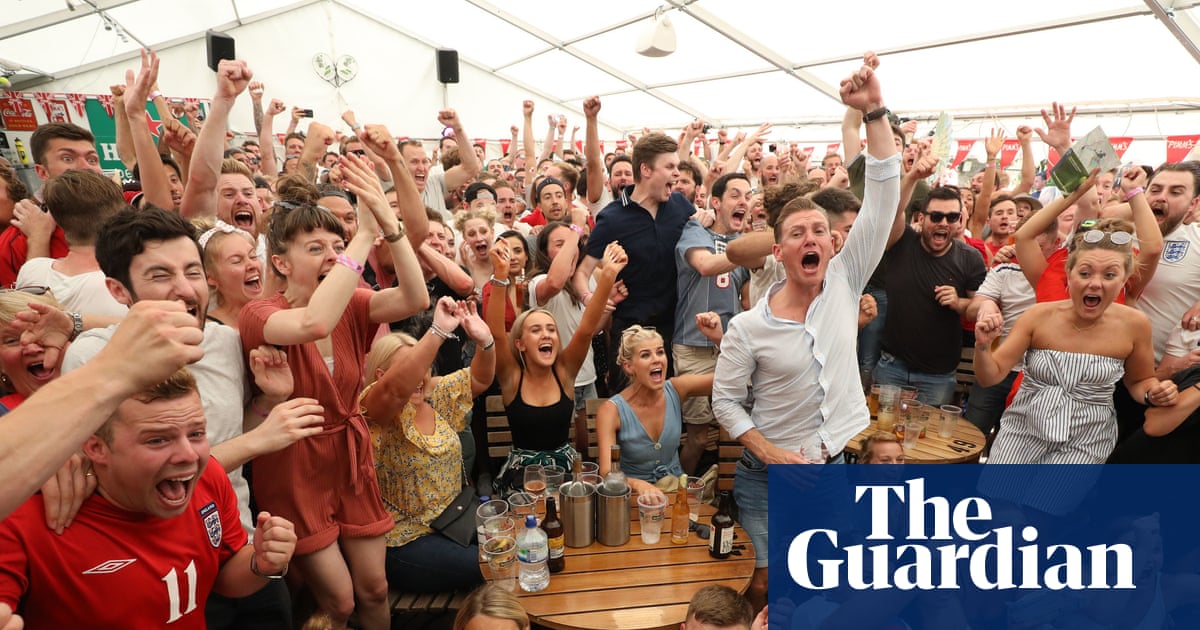
Can Starmer’s late-night World Cup openings help Britain’s struggling pubs?
The UK government, under Prime Minister Keir Starmer, is examining whether allowing pubs to extend their operating hours for the 2026 World Cup can provide a critical financial lifeline to a struggling hospitality sector. Local authorities, including Wolverhampton Council, have already begun inviting bars and pubs to apply for extended hours to accommodate the tournament’s schedule, while venues in cities like Peterborough report high hopes for a significant revenue boost during the event, according to reports from the BBC.
How late-night World Cup openings aim to support the UK hospitality sector
The British pub industry currently faces a convergence of economic pressures, including rising energy costs, inflationary pressures on raw materials, and shifting consumer habits. For many operators, the World Cup represents one of the few guaranteed periods of peak demand. By extending opening hours, the government and local councils aim to maximize the “spend-per-head” by keeping patrons in venues for the duration of late-night matches.
According to the BBC, hospitality venues in Peterborough are specifically looking toward the World Cup as a catalyst for recovery. The logic is straightforward: longer hours allow for more rounds of drinks and food sales, which can help offset the losses incurred during quieter months. This strategy focuses on capturing the “event economy,” where sports fans are more likely to ignore typical spending constraints in favor of a communal viewing experience.
The push for extended hours is not merely about convenience but about survival for marginal businesses. Many pubs operate on thin profit margins where a single high-revenue event can provide the liquidity needed to cover quarterly business rates or maintenance costs. The atmosphere of “pub-stool punditry” and communal celebration, as noted by the Craven Herald, transforms these venues from simple eateries into essential community hubs during global tournaments.
- Revenue Spikes: Increased footfall during match windows leads to higher beverage and snack sales.
- Customer Acquisition: Tournaments often attract “occasional” visitors who may become regular patrons.
- Staffing Utilization: While labor costs increase, the high volume of sales typically justifies the additional payroll.
The role of local councils in extending pub hours for 2026
While national policy provides the framework, the actual implementation of extended hours falls to local licensing authorities. Wolverhampton Council has already taken a proactive stance, explicitly inviting city pubs and bars to extend their opening hours for the World Cup 2026. This decentralized approach allows councils to balance the economic needs of the hospitality sector with local concerns regarding noise and public order.
The process generally involves the application for Temporary Event Notices (TENs) or permanent variations to a venue’s premises license. Under the Licensing Act 2003, councils have the discretion to grant these extensions if they believe the event will not undermine the four licensing objectives: the prevention of crime and disorder, public safety, the prevention of public nuisance, and the protection of children from harm.
The invitation from Wolverhampton Council signals a shift toward a more permissive regulatory environment during major sporting events. By encouraging venues to apply early, the council reduces the administrative burden on the local authority and provides businesses with the certainty they need to plan staffing and inventory levels.
| Action Level | Responsibility | Primary Mechanism | Goal |
|---|---|---|---|
| National | UK Government / Starmer Administration | Policy Guidance & Legislative Framework | Economic Stimulus for Hospitality |
| Local | City Councils (e.g., Wolverhampton) | Licensing Extensions / TENs | Managed Local Economic Growth |
| Venue | Pub Owners / Managers | Staffing & Inventory Scaling | Direct Revenue Generation |
Why the 2026 World Cup schedule necessitates licensing changes
The 2026 World Cup presents a unique logistical challenge for British pub owners because the tournament will be hosted across North America—specifically the United States, Canada, and Mexico. Due to the significant time difference between the UK and the host nations, many of the marquee matches are expected to kick off late in the evening or even in the early hours of the morning GMT.
Without extended licenses, many pubs would be forced to close their doors just as the most anticipated matches begin. This would not only result in a loss of revenue for the businesses but would also push crowds toward home viewing or unregulated environments, potentially increasing the burden on residential noise complaints. According to BBC reporting, the question of whether pubs can stay open late is central to the tournament’s economic potential in the UK.
The “late-night” aspect is the critical variable. If a final or a semi-final takes place at 11:00 PM or midnight UK time, a standard 11:00 PM closing time renders the event commercially non-viable for the venue. By aligning licensing hours with the North American time zones, the Starmer administration can effectively “import” the economic activity of the tournament into the British night economy.
“The timing of the 2026 World Cup is a double-edged sword; while it threatens to clash with standard operating hours, it offers a massive opportunity for those venues that can legally remain open to capture the late-night market.”
Can a short-term tournament solve long-term economic struggles for pubs?
Critics and industry analysts question whether a few weeks of extended hours can truly address the systemic issues facing the British pub. The “struggling” nature of the industry is tied to structural problems: the rise of supermarket alcohol sales, the cost-of-living crisis reducing disposable income, and the long-term impact of pandemic-era debts.
While a World Cup boost provides a temporary surge in cash flow, it does not lower business rates or reduce the cost of electricity. However, proponents argue that these spikes are essential for survival. For a pub on the brink of closure, the profit from a single World Cup tournament can provide the capital necessary to renovate a kitchen, upgrade energy-efficient lighting, or pay down high-interest loans.
The impact is also psychological. The Craven Herald highlights the return of “lucky shirts” and high-energy crowds, which reinstills a sense of community and purpose in local venues. This social capital can translate into long-term loyalty. If a customer has a positive experience during a late-night World Cup match, they are more likely to return for a Sunday roast or a weekday pint, thereby stabilizing revenue beyond the tournament window.
To understand the potential efficacy of this move, it is helpful to compare the short-term gains against the long-term hurdles:
- Short-term Gain: Immediate liquidity from high-volume alcohol and food sales.
- Short-term Gain: Increased visibility and brand awareness for local venues.
- Long-term Hurdle: Persistent inflation in supply chain costs.
- Long-term Hurdle: Changing demographics and a decline in traditional pub-going habits among younger generations.
The impact of hospitality trends on British pub culture
The debate over extended hours occurs against a backdrop of evolving hospitality trends. The modern British pub is no longer just a place for a pint; it is increasingly a multi-purpose venue offering “gastropub” dining, co-working spaces, and curated event experiences. The World Cup fits into this “experience economy” model, where consumers pay for the atmosphere as much as the product.
The “pub-stool punditry” mentioned in regional reporting underscores the social function of the pub. In an era of increasing social isolation, the World Cup acts as a social glue. When the government supports late-night openings, it is effectively supporting the maintenance of these social infrastructures. This has implications for mental health and community cohesion, which are often overlooked in purely economic analyses of the hospitality sector.
Furthermore, the integration of sports betting and digital interaction within the pub environment has changed the revenue model. Pubs that provide a high-quality viewing experience—large screens, reliable sound systems, and efficient service during peak times—can command a premium. The late-night extensions allow these investments to pay off over a longer window of time per match day.
For more information on how government policy affects local businesses, see our related explainer on UK business rate reforms.
Common misconceptions regarding World Cup licensing
There is a common belief that a blanket national decree from the Prime Minister’s office can automatically open all pubs late. In reality, the UK’s licensing system is highly localized. Even if the Starmer government expresses support for late-night openings, individual pub owners must still navigate their respective local councils. A “green light” from Westminster does not bypass the need for a Temporary Event Notice (TEN) or a license variation at the municipal level.
Another misconception is that extended hours automatically lead to increased profit. Late-night operations require additional staffing, increased security, and higher utility costs. If a pub is not properly staffed or if the crowd becomes unmanageable, the cost of staying open can outweigh the revenue generated. Successful venues are those that scale their operations precisely to the match schedule rather than simply staying open indefinitely.
Finally, some assume that the “boost” is uniform across all venues. In truth, the benefit is skewed toward “sports pubs” with the necessary infrastructure. Small, traditional village pubs without screens may see little to no benefit from extended hours, as their clientele is less likely to gather for a late-night match. The economic “lifeline” is therefore highly dependent on a venue’s existing equipment and target demographic.
Frequently Asked Questions about World Cup pub openings
Do all pubs in the UK get to stay open late for the World Cup?
No. Opening hours are determined by individual premises licenses and local council approvals. While some councils, like Wolverhampton, actively encourage extensions, pub owners must still apply for the necessary permits or Temporary Event Notices (TENs) to legally operate past their standard closing time.
Why is the 2026 World Cup different from previous tournaments?
The 2026 tournament is hosted in North America (USA, Canada, and Mexico). Because of the time difference, matches will frequently occur late at night or in the early morning for UK viewers, making extended licensing hours more critical than for tournaments held in Europe or Asia.
How does the government help struggling pubs during these events?
The government typically provides policy guidance and encourages local authorities to be flexible with licensing. While direct financial grants for World Cup openings are rare, the administrative easing of operating hours allows businesses to maximize their own revenue potential.
What are the risks of extending pub hours for sports events?
The primary risks include increased noise pollution for local residents, potential for public disorder during high-tension matches, and increased operational costs for the venue owner, including security and staffing.
Can a pub be fined for staying open late without a permit?
Yes. Operating outside of licensed hours is a breach of the Licensing Act 2003 and can result in fines or, in severe cases, the revocation of the venue’s liquor license.
As the 2026 tournament approaches, the intersection of sports, law, and economics will determine whether the British pub remains a viable pillar of the high street. The ability of the Starmer administration to coordinate with local councils will be a key indicator of how the government intends to support the hospitality industry in a post-inflationary economy.
