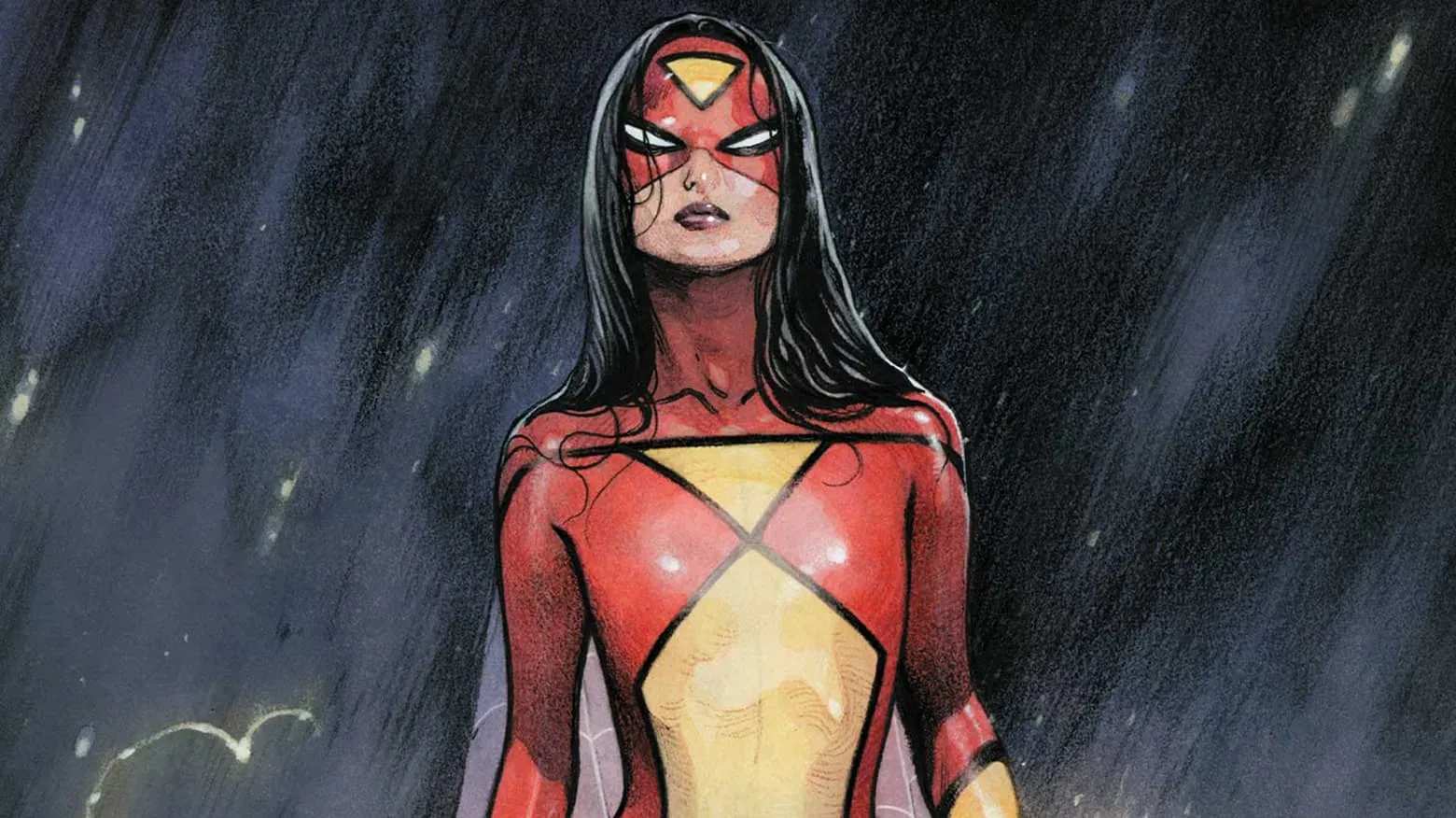
‘Spider-Woman 50th Anniversary Special’ #1 Sets the Stage for Jessica Drew’s Darkest Era – Marvel.com
Marvel has announced the release of Spider-Woman 50th Anniversary Special #1, a publication that according to Marvel.com establishes the narrative foundation for what is described as the “darkest era” for Jessica Drew. The special commemorates five decades of the character’s history while introducing plot elements that will shift the tone of her upcoming storylines.
What is the ‘Spider-Woman 50th Anniversary Special’ #1?
The Spider-Woman 50th Anniversary Special #1 is a milestone comic book release designed to celebrate the half-century mark of Jessica Drew’s existence in the Marvel Universe. According to Marvel.com, the issue serves a dual purpose: it honors the character’s legacy and acts as a catalyst for a new, more somber direction in her character arc. This “darkest era” suggests a departure from previous narrative cycles, moving toward higher stakes and more severe psychological or physical conflicts for the protagonist.
Jessica Drew first appeared in 1977, distinguishing herself from other “spider-themed” heroes through her background in espionage and her unique power set. The anniversary special focuses on the intersection of her past as a spy and her current role within the superhero community, using these contradictions to propel her into the aforementioned dark period.
- Core Focus: Celebration of 50 years of character development.
- Narrative Function: Prologue to a new, darker story arc.
- Key Theme: The collision of legacy and future conflict.
Why Marvel is Signaling Jessica Drew’s “Darkest Era”
The designation of a “darkest era” in comic book storytelling typically indicates a shift toward “grim and gritty” themes, often involving significant loss, moral ambiguity, or an overwhelming antagonist. According to official communications from Marvel.com, this specific transition for Jessica Drew is intended to challenge the character in ways she has not faced in previous decades.
Industry analysts note that anniversary specials often function as “soft reboots” or pivots. By acknowledging 50 years of history, Marvel can effectively clear the board of certain status quos to make room for more dramatic stakes. For Drew, this likely means leveraging her complex history with organizations like HYDRA and S.H.I.E.L.D. to create a scenario where her traditional support systems are unavailable or compromised.
This shift follows a broader trend in the comic industry where legacy characters are pushed into extreme scenarios to revitalize interest and explore untapped psychological depths. By framing this as her “darkest era,” Marvel is signaling to readers that the safety nets usually afforded to established heroes may no longer apply to Jessica Drew.
The Evolution of Jessica Drew: 50 Years of Spider-Woman
To understand why a “darkest era” is significant, it is necessary to examine the trajectory of Jessica Drew since her debut. Unlike Peter Parker, Drew’s origins are rooted in scientific experimentation and international intrigue rather than a random accident. According to Marvel’s character archives, her history is defined by a constant struggle for identity and autonomy.
Her journey has transitioned through several distinct phases, moving from a confused amnesiac spy to a seasoned Avenger and a mother. Each era has redefined her relationship with the “Spider” moniker, which she shares in name and theme but not in biological origin with the broader Spider-Verse.

| Era | Primary Role | Key Narrative Focus | Tonal Quality |
|---|---|---|---|
| The Espionage Years | Double Agent/Spy | Identity discovery and HYDRA conflict | Mystery and Suspense |
| The Avenger Era | Super-Hero Team Member | Integration into the broader hero community | Action and Collaboration |
| The Family Era | Mother/Protector | Balancing heroism with parenthood | Emotional and Grounded |
| The Darkest Era | TBD (Post-Anniversary) | High-stakes conflict and psychological trial | Somber and Intense |
The transition into the current era, as outlined in the Spider-Woman 50th Anniversary Special #1, represents a pivot away from the relative stability of her recent family-centric stories. According to the framing provided by Marvel.com, this new direction will likely force Drew to confront the ghosts of her espionage past in a way that threatens her current stability.
How the 50th Anniversary Special Impacts the Marvel Universe
The ripple effects of Jessica Drew’s “darkest era” extend beyond her solo title. As a character who has operated at the intersection of intelligence agencies and superhero teams, her instability often signals broader shifts in the Marvel Universe’s geopolitical landscape. According to narrative patterns established in previous Marvel events, a crisis for a high-level operative like Drew often coincides with the emergence of new global threats or the collapse of existing security frameworks.
Furthermore, this development affects the “Spider-Family” dynamic. While Drew is not a biological relative of Peter Parker or Miles Morales, she is a cornerstone of the spider-themed community. A descent into a “dark era” could create friction or provide a cautionary tale for the younger members of the Spider-Verse. If Drew’s situation involves a betrayal by a government agency or a resurgence of a dormant enemy, it may pull other heroes into a conflict they are ill-equipped to handle.
“The 50th Anniversary Special doesn’t just look back; it uses the weight of fifty years of trauma and triumph to push Jessica Drew into a corner she cannot easily escape.”
This strategic narrative move allows Marvel to explore themes of burnout and the long-term cost of heroism. For a character who has spent half a century fighting in the shadows, the “darkest era” may be an exploration of what happens when those shadows finally close in.
Common Misconceptions About Spider-Woman’s Origins
As the Spider-Woman 50th Anniversary Special #1 brings new readers to the character, several common misconceptions regarding Jessica Drew often resurface. These misunderstandings frequently stem from her name and her association with the Spider-Verse.

Is Jessica Drew related to Peter Parker?
No. According to Marvel’s established lore, Jessica Drew is not biologically related to Peter Parker. Her powers were the result of an experimental serum and spider venom administered by her father, which differs from the radioactive spider bite that empowered Parker. While they share similar abilities—such as wall-crawling and heightened reflexes—their origins are entirely distinct.
Does she have the same powers as other Spider-heroes?
While she shares the “spider” theme, Drew’s power set is unique. In addition to agility and strength, she possesses “venom blasts” (bio-electric shocks) and a form of pheromone secretion that can influence the emotions of others. According to Marvel.com, these specific abilities often make her more effective in espionage and manipulation than in raw physical combat, a distinction that the upcoming “darkest era” may exploit.
Was she always a hero?
Drew’s moral alignment has been fluid. Due to her upbringing and training as a spy, she has operated in gray areas of morality. Her history includes working for agencies with questionable ethics, making her a more morally complex figure than the traditional “neighborhood” hero. This complexity is a primary driver for the “darkest era” teased in the anniversary special.
The Significance of Anniversary Specials in Comic Publishing
The release of the Spider-Woman 50th Anniversary Special #1 is part of a larger industry strategy. Anniversary issues are rarely just celebratory; they are marketing tools used to re-engage lapsed readers and provide a “jumping-on point” for new ones. By summarizing 50 years of history in one special, Marvel lowers the barrier to entry for readers who may feel overwhelmed by decades of continuity.
From a business perspective, these specials create a surge in sales for back-issues and trade paperbacks. When a “darkest era” is teased, it encourages readers to revisit the character’s previous triumphs to understand the contrast. This creates a cyclical consumption pattern that benefits the publisher and the creators.
Moreover, these specials allow writers to establish a “hard line” in the sand. By stating that a character is entering their darkest period, the writers are granting themselves permission to dismantle the character’s life, destroy their supporting cast, or change their powers. It is a narrative license to engage in high-risk storytelling that might be too disruptive for a standard monthly issue.
Potential Narrative Trajectories for the “Darkest Era”
While Marvel.com has not revealed every plot point of the upcoming arc, the phrase “darkest era” allows for several likely scenarios based on Drew’s history. The most probable trajectories involve a return to her roots in the intelligence community or a psychological breakdown resulting from her long history of manipulation.
- The Betrayal Angle: Drew may discover that a long-term ally or agency has been manipulating her for decades, stripping away her trust in the superhero community.
- The Legacy Burden: The “50th anniversary” aspect may manifest as a literal return of enemies from 1977, bringing outdated but lethal threats into the modern world.
- The Psychological Toll: After years of playing multiple roles—spy, hero, mother—the “darkness” could be an internal struggle with identity and the cost of her secrets.
These possibilities suggest that the Spider-Woman 50th Anniversary Special #1 is not merely a retrospective but a psychological primer. It prepares the reader for a story where the protagonist is stripped of her usual advantages, forcing her to rely on her rawest instincts for survival.
For those following the broader Marvel continuity, it is worth noting that such shifts often precede major crossover events. A compromised or “dark” Jessica Drew could serve as the catalyst for a larger conflict involving S.H.I.E.L.D. or the Avengers, turning a solo character study into a systemic crisis.
Frequently Asked Questions
When is the ‘Spider-Woman 50th Anniversary Special’ #1 released?
The release date is managed by Marvel’s standard distribution schedule. Readers should check their local comic shops or the official Marvel.com store for the exact date in their region.

What does “darkest era” mean for Jessica Drew’s character?
According to Marvel.com, it indicates a shift toward more intense, somber, and high-stakes storytelling, likely involving significant personal or professional challenges that exceed previous conflicts in her 50-year history.
Is this a reboot of the Spider-Woman character?
No, it is not a full reboot. It is a continuation of her existing history that uses the 50th anniversary as a narrative pivot point to change the tone and direction of her stories.
Will this special be available in digital formats?
Yes, Marvel typically releases its special issues through digital platforms such as Marvel Unlimited and other digital comic retailers.
Does this story affect the MCU (Marvel Cinematic Universe)?
Currently, this is a comic book narrative. While comic events often inspire future film or television plots, there has been no official confirmation from Marvel Studios that this specific “darkest era” is linked to the MCU.
The Spider-Woman 50th Anniversary Special #1 marks a critical juncture for Jessica Drew. By blending a celebration of the past with a warning about the future, Marvel is positioning the character for a rebirth through conflict. As the “darkest era” unfolds, the focus will likely shift from what Jessica Drew has achieved over fifty years to what she is willing to sacrifice to survive the next fifty.
