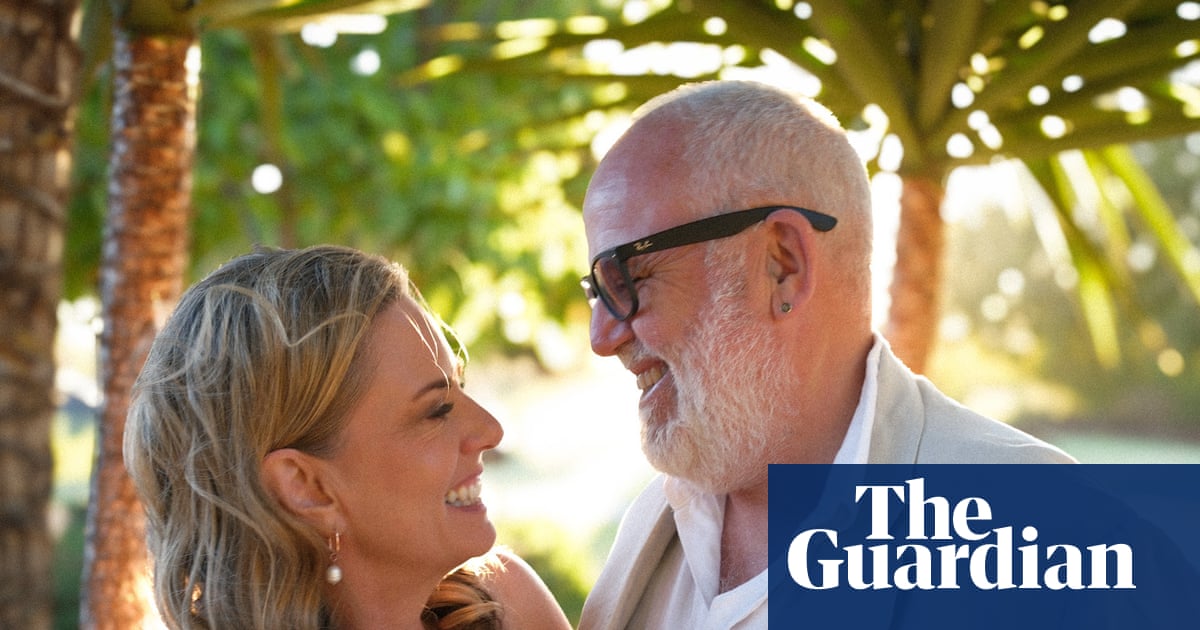
The Moment I Knew: He Kissed Me and It Felt Like I Was Standing on the Edge of a Whole New Life
The experience of a single, transformative moment—a catalyst that shifts an individual’s perception of their future—is a recurring theme in human narratives of love and self-discovery. When someone describes the sensation that “he kissed me and it felt like I was standing on the edge of a whole new life,” they are articulating more than just romantic attraction; they are describing a psychological threshold. This specific emotional state, often captured in personal essays and reflective storytelling, highlights the intersection of intimacy and identity shift.
The Anatomy of a Life-Changing Moment
At its core, the feeling of standing on the “edge of a whole new life” represents a pivot point. In the context of a romantic encounter, such as a first or pivotal kiss, the physical act serves as a trigger for a deeper internal realization. This is rarely about the physical sensation alone and more about the perceived potential of the relationship and the version of oneself that exists within it.
Psychologically, these moments often involve a combination of emotional vulnerability and cognitive reframing. The individual is not just acknowledging a connection with another person, but is recognizing a path toward a different existence—perhaps one characterized by greater happiness, stability, or understanding.
Key Elements of Transformative Intimacy
- The Threshold Effect: The sensation that the present moment is a boundary between a “before” and an “after.”
- Intuitive Recognition: A sudden, non-rational certainty about the significance of a partner.
- Identity Expansion: The feeling that the relationship will allow the person to grow into a new version of themselves.
Why These Narratives Resonate
Stories that center on the “moment I knew” resonate because they mirror a universal human desire for clarity and destiny. In an era of fragmented connections and digital dating, the idea of a singular, definitive moment of realization offers a powerful contrast to the gradual, often ambiguous process of modern courtship.

These narratives often explore the tension between the known and the unknown. To stand on the “edge” implies a level of risk; it is the precipice before a leap of faith. The excitement stems from the anticipation of the “new life” that awaits, while the fear stems from the abandonment of the old, familiar self.
| Aspect of Experience | The “Old Life” Perspective | The “New Life” Perspective |
|---|---|---|
| Emotional State | Stagnation or solitude | Possibility and connection |
| Perception of Time | Linear and predictable | Accelerated and transformative |
| Self-Image | Defined by past experiences | Defined by future potential |
The Role of Intuition in Romantic Certainty
The phrase “the moment I knew” suggests a reliance on intuition over analytical reasoning. While modern dating often emphasizes “checklist” compatibility—comparing careers, values, and backgrounds—the transformative kiss represents a visceral, intuitive data point that overrides logic.
The transition from a casual encounter to a life-altering realization often happens in the space between a physical action and the emotional interpretation of that action.
This intuitive leap is often what separates a standard romantic attraction from a feeling of profound destiny. It is the internal confirmation that the other person is a catalyst for change, regardless of whether that change is immediate or gradual.
Common Misconceptions About “The Moment”
It is common to oversimplify these experiences as “magic” or “fate,” but they are often the result of long-simmering subconscious cues. A person may have been observing their partner’s kindness, reliability, or intellectual chemistry for weeks, and the kiss simply acts as the final piece of evidence that allows the mind to reach a conclusion.
- Misconception: The moment happens in a vacuum.
- Reality: It is usually the culmination of previous emotional build-up.
- Misconception: The “new life” is guaranteed to be positive.
- Reality: The feeling is one of potential, which the couple must then work to realize.
The Psychological Impact of Romantic Thresholds
When an individual feels they are entering a “whole new life,” they are experiencing a shift in their mental mapping. The future, which may have previously seemed bleak or monotonous, is suddenly populated with new possibilities. This can lead to an increase in dopamine and oxytocin, creating a state of euphoria that reinforces the belief that this specific person is the key to a better version of existence.
This shift can also impact other areas of life, including professional ambition and social circles. The security provided by a profound romantic connection often gives individuals the courage to take risks in other domains, effectively pushing them off the “edge” and into a more daring way of living.
For those interested in the intersection of emotion and behavior, a related explainer on emotional intelligence may provide further insight into how we process these pivotal moments.
Navigating the Transition from Feeling to Reality
While the “moment I knew” is a powerful emotional peak, the transition into that “new life” requires the movement from feeling to action. The challenge for many is maintaining the intensity of that initial realization as the relationship moves into the mundane aspects of daily existence.
The “edge” is a place of high tension and excitement, but a “life” is a place of routine and negotiation. The most successful transitions occur when the intuitive certainty of the first kiss is supported by a foundation of shared values and mutual respect.
Strategies for Sustaining the “New Life” Feeling
- Intentionality: Actively recalling the “moment I knew” during periods of conflict to remember the core connection.
- Growth Alignment: Ensuring that the “new life” envisioned is one where both partners can grow individually.
- Communication: Discussing the expectations and visions of the future that were sparked by that initial realization.
Frequently Asked Questions
What does it mean to feel like you are on the edge of a new life?
It describes a profound sense of transition where a specific event—such as a romantic gesture—makes you realize that your future will be fundamentally different and likely more fulfilling than your past.
Is the “moment I knew” a reliable indicator of long-term success?
While a powerful emotional indicator, it represents potential and attraction. Long-term success depends on how the couple navigates the transition from that initial spark to the practicalities of a shared life.
Why do people describe these moments as “standing on an edge”?
The “edge” metaphor signifies the boundary between the known (the old life) and the unknown (the new life). It captures the mixture of fear, excitement, and inevitability associated with a major life change.
Can this feeling happen more than once in a lifetime?
Yes. Many people experience multiple “pivot points” in their lives, whether through different relationships, career shifts, or personal awakenings, each feeling like the start of a new chapter.
The enduring power of the “moment I knew” lies in its ability to condense a complex emotional evolution into a single, vivid image. Whether it is a kiss or a conversation, these thresholds define the narrative arcs of our lives, marking the exact point where we stopped being who we were and started becoming who we are meant to be.
