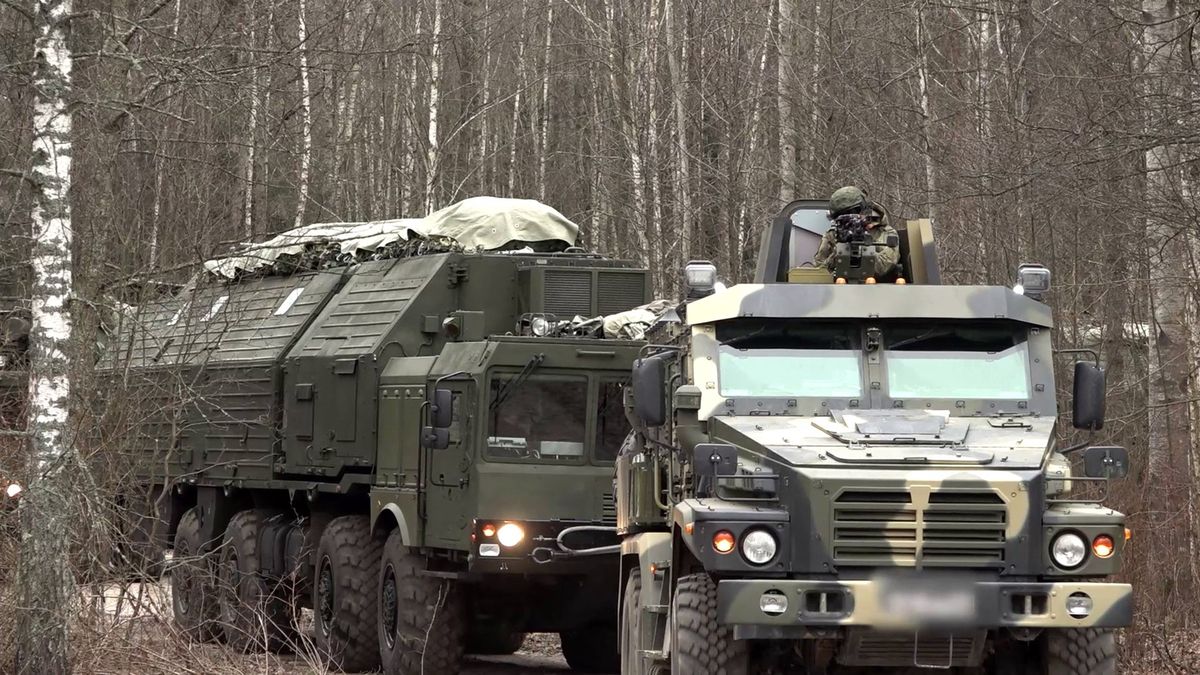
Russian military analysts have reported that the country now possesses only a single Orešnik short-range ballistic missile, according to a recent assessment by defense experts. The revelation highlights the depletion of Russia’s stockpile of the Iskander-M system, a critical component of its conventional missile arsenal, amid prolonged conflict in Ukraine.
Strategic Implications of Depleted Missile Stockpiles
The Orešnik, officially known as the Iskander-M, is a mobile, nuclear-capable missile system designed for rapid deployment and precision strikes. Its scarcity underscores the logistical challenges Russia faces in sustaining its military operations. Analysts note that the system’s limited range—approximately 500 kilometers—makes it particularly valuable for targeting Ukrainian infrastructure and troop concentrations within proximity.
“The loss of this asset diminishes Russia’s ability to conduct precision strikes in key operational zones,” said a defense analyst specializing in Eastern European militaries, speaking on condition of anonymity. “This could force a shift in targeting strategies, potentially relying more on older systems or aerial bombardment.”
Context Within the Broader Conflict
Russia’s missile inventory has been under intense pressure since the invasion of Ukraine in February 2022. The Orešnik, introduced in the 1990s, has been a cornerstone of Moscow’s conventional deterrence strategy. However, sustained use in the war has led to significant attrition, with reports of multiple units destroyed or damaged in combat zones.
International observers have tracked the decline in Russia’s missile stockpiles through satellite imagery and battlefield assessments. The U.S. Defense Intelligence Agency previously estimated that Russia’s production capacity for such systems has not kept pace with combat losses, exacerbating the shortfall.
Regional and Global Repercussions
The dwindling supply of advanced missile systems could influence Russia’s strategic calculations in the region. Neighboring states, including NATO members, have expressed concern over the potential for escalation, particularly if Moscow resorts to alternative means to maintain its military posture. The situation also raises questions about Russia’s long-term modernization efforts, which have struggled to offset equipment losses.
“This development reflects broader systemic strains on Russia’s defense industry,” said a European Union defense official. “It may compel further reliance on imported technology or force strategic recalibration in its military doctrine.”
The next steps for Russia’s missile program remain unclear, with no official statements addressing the reported depletion. Analysts will continue monitoring production rates and potential shifts in operational tactics as the conflict evolves.
