
Health officials in France report a significant increase in tick populations, according to a recent analysis by Univadis. The findings highlight growing concerns about tick-borne diseases as warmer temperatures and changing land use create more favorable conditions for the arthropods.
What the Study Found
The analysis, conducted by a team of epidemiologists and entomologists, identified a 40% rise in tick activity across multiple regions since 2020. Researchers tracked data from 120 public health clinics and 30 wildlife monitoring stations, noting that ticks are now present in areas previously considered low-risk. The study also linked the expansion to milder winters and prolonged spring seasons, which extend the insects’ active periods.
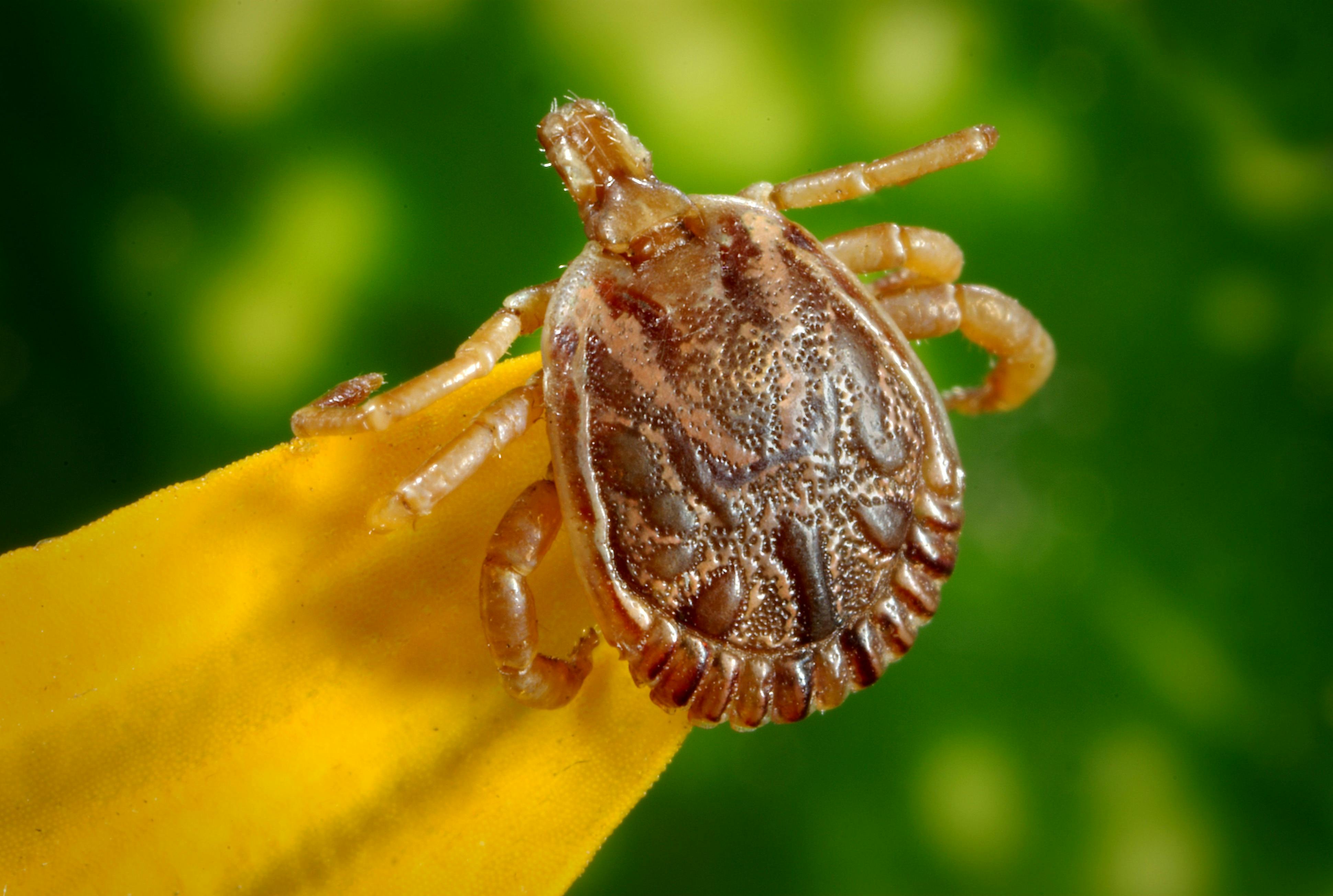
“Ticks are no longer just a rural issue,” said Dr. Claire Moreau, a co-author of the study. “We’re seeing them in urban parks and suburban neighborhoods, particularly in the southeast and central regions of the country.”
Who Is Most Affected
Outdoor workers, hikers, and individuals living near forested or grassy areas face the highest risk of tick bites. Public health records show a 25% increase in reported Lyme disease cases over the past three years, though officials caution that underreporting remains a challenge. Children and elderly individuals are particularly vulnerable to severe complications from tick-borne illnesses.
“Families are advised to take precautions, especially during peak tick seasons,” said a spokesperson for the French National Institute of Health. “This includes wearing protective clothing, using insect repellent, and checking for ticks after spending time outdoors.”
Public Health Response
The French Ministry of Health has launched a public awareness campaign, distributing informational pamphlets and funding research into new tick control methods. Local municipalities are also implementing targeted pesticide programs and habitat management strategies to reduce tick populations near residential areas.
“We’re seeing a shift in how we approach tick prevention,” said Dr. Marc Lefevre, a public health official. “It’s no longer just about treating bites after they occur but actively reducing the risk through environmental interventions.”
Limitations and Unanswered Questions
The study acknowledges several limitations, including reliance on self-reported data from clinics and potential gaps in regional coverage. Researchers also note that climate models predicting future tick distribution remain uncertain due to variables like rainfall patterns and human activity changes.

“We need more long-term data to fully understand the trajectory of tick populations,” said Dr. Moreau. “This is a dynamic issue that requires continuous monitoring and adaptive strategies.”
What’s Next
Health authorities plan to expand surveillance efforts in 2024, including the deployment of mobile tick detection units in high-risk zones. A follow-up study is also scheduled to examine the effectiveness of current prevention measures and identify emerging threats.
“This is a public health priority that demands sustained attention,” said the ministry spokesperson. “Our goal is to protect communities while balancing environmental concerns.”
