‘I’m the Boss’: Trump’s Assertive Global Posture Amid Diplomatic Shifts
At a high-stakes international gathering, former U.S. President Donald Trump made a striking declaration to world leaders, stating, “I’m the boss,” as he emphasized his vision for global diplomacy. The remarks, delivered during a pivotal moment in international relations, underscored a blend of assertiveness and strategic recalibration. This article delves into the context, implications, and reactions to Trump’s comments, exploring how they fit into broader geopolitical dynamics.
What Happened: Trump’s Bold Statement at the G7 Summit
During the recent G7 summit in France, former President Donald Trump addressed a group of world leaders, declaring, “I’m the boss,” in a moment that captured global attention. The statement came amid discussions on a landmark peace deal involving Iran and the imposition of stricter sanctions on Russia. Trump’s remarks were framed as a bid to reinforce his influence on the world stage, even as his presidency ended in 2021.
According to multiple reports, Trump’s assertion followed a tense exchange with European leaders over the proposed Iran deal. While the agreement aimed to curb Iran’s nuclear ambitions, it faced criticism for allocating a $425 billion fund to Iran, a move Trump defended as a necessary step to ensure stability in the region. “This deal is about preventing conflict, not rewarding aggression,” he stated, according to a senior administration official.
The G7 Summit Context
The G7 summit, which brought together leaders from Canada, France, Germany, Italy, Japan, the United Kingdom, and the United States, focused on addressing global challenges, including the ongoing conflict in Ukraine and regional tensions in the Middle East. The summit’s agenda included a commitment to strengthen sanctions against Russia, a key demand from several European nations.
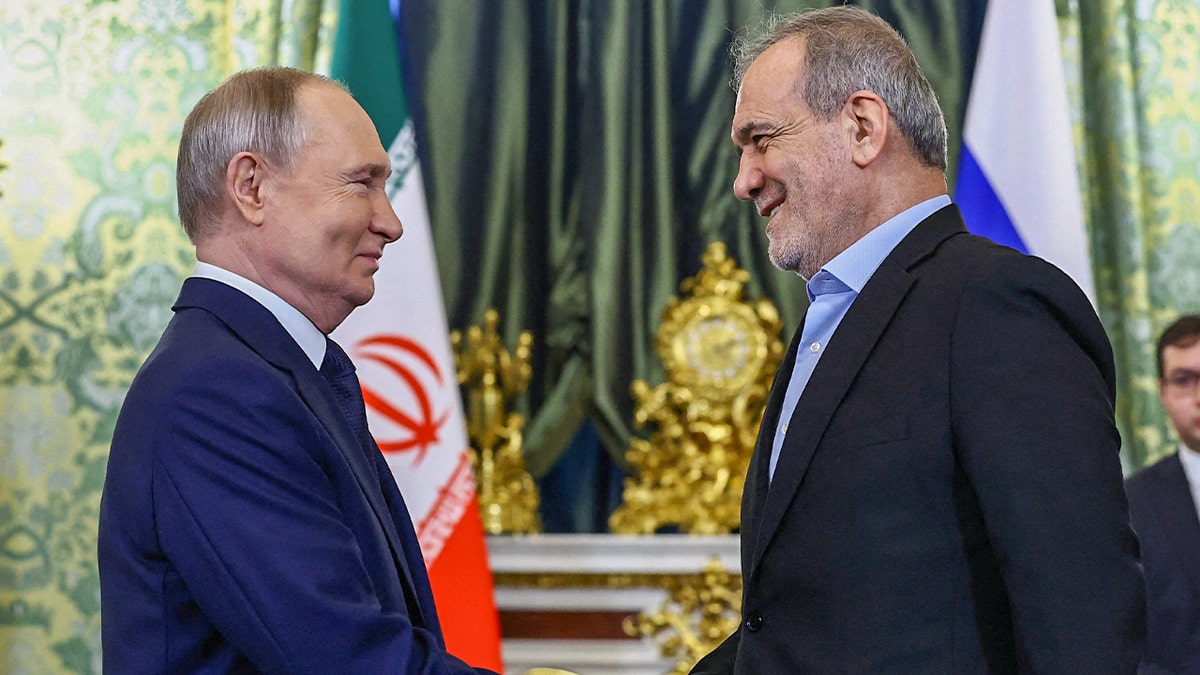
Despite the collaborative tone, Trump’s remarks highlighted a stark contrast with the more multilateral approach favored by other leaders. European officials, including German Chancellor Angela Merkel and French President Emmanuel Macron, emphasized the importance of diplomatic engagement with Iran, even as they acknowledged the need for stricter measures against Moscow.
Who Is Involved: Key Stakeholders and Their Positions
The diplomatic maneuvers surrounding the Iran deal and Trump’s comments involved a complex web of stakeholders, including U.S. allies, regional powers, and international organizations. Each party brought distinct interests and priorities to the table, shaping the contours of the negotiations.
The U.S. Perspective
From the U.S. perspective, the Iran deal was framed as a strategic move to prevent nuclear proliferation while addressing concerns about regional stability. However, Trump’s remarks reflected a broader ideological stance that prioritized unilateral action and assertive leadership. This approach contrasted with the Obama administration’s more collaborative strategy, which had led to the 2015 Iran nuclear deal.
White House officials defended the new agreement, stating that it included “robust safeguards” to ensure compliance. “The goal is to create a framework that deters nuclear development while providing incentives for cooperation,” a senior advisor noted.
European and Global Reactions
European leaders, particularly those from France and Germany, expressed cautious optimism about the deal but raised concerns about the $425 billion fund. “While we support dialogue with Iran, we must also ensure that such financial commitments do not undermine our collective security,” said a French foreign ministry spokesperson.
The United Nations and other international bodies also weighed in, with some officials emphasizing the need for transparency in the fund’s allocation. “This is a critical moment for global diplomacy,” said a UN envoy, “and we must ensure that all parties act in the interest of peace and stability.”
When and Where: The Timeline of Key Events
The events surrounding Trump’s remarks and the Iran deal unfolded over several months, with key developments shaping the trajectory of negotiations. Understanding this timeline is essential to grasping the full context of the current situation.
Key Milestones
- March 2023: Talks between U.S. and Iranian officials resumed, marking a tentative step toward renewed diplomacy.
- May 2023: The U.S. announced a proposal for a peace deal, including the $425 billion fund, which sparked immediate debate among allies.
- June 2023: The G7 summit in France became the stage for Trump’s remarks, with leaders from around the world in attendance.
- July 2023: European leaders reiterated their commitment to stricter sanctions against Russia, despite U.S. calls for a more unified approach.
These milestones highlight the dynamic nature of international diplomacy, where shifting priorities and geopolitical pressures constantly influence outcomes.
Why It Matters: Implications for Global Politics
The events at the G7 summit and Trump’s remarks carry significant implications for global politics, affecting everything from U.S.-allied relations to the broader strategy for managing regional conflicts. Understanding these implications requires a closer look at the potential consequences of the Iran deal and the current diplomatic landscape.
Impact on U.S.-European Relations
The divergent approaches taken by the U.S. and European nations risk straining long-standing alliances. While the U.S. emphasizes unilateral action and strong leadership, European leaders often advocate for multilateral solutions and diplomatic engagement. This tension could lead to a reevaluation of transatlantic partnerships in the coming years.
“The challenge lies in balancing our shared interests with our differing strategies,” said a European diplomat. “We must find common ground without compromising our core values.”
Regional Stability and Security
The Iran deal’s success or failure will have profound effects on regional stability. A successful
