Towards mRNA Therapeutics 2.0 – Nature: The Evolution of Nucleic Acid Medicine
The global medical community is witnessing a fundamental pivot in the application of genetic medicine. While the previous era of messenger RNA (mRNA) technology was defined by its rapid deployment in vaccines to combat acute infectious diseases, a new frontier is emerging. This transition, often described as the move towards mRNA therapeutics 2.0 – Nature and other leading scientific frameworks suggest, represents a shift from transient immune stimulation to the long-term treatment of chronic, rare, and complex diseases.
The “1.0” era of mRNA was characterized by the “immune alarm”—a strategy designed to teach the body to recognize a foreign pathogen through a limited number of doses. However, the objective of mRNA 2.0 is entirely different: the creation of sustained, repeatable therapies that can replace missing enzymes, reprogram immune cells, or modify the genome to treat hereditary conditions. This evolution requires not just a change in the mRNA sequence itself, but a complete overhaul of how these molecules are delivered and how the human body reacts to them over years of treatment.
The Strategic Pivot: From Acute Vaccination to Chronic Therapy
To understand the significance of the shift towards mRNA therapeutics 2.0, one must first distinguish between the goals of a vaccine and those of a therapeutic drug. Vaccines are designed for a short-term intervention. they provide a blueprint for a protein that triggers an immune response, and once the memory cells are trained, the mRNA is degraded and gone. The goal is a temporary presence for a permanent effect.
Chronic therapeutics, conversely, require a “maintenance” approach. For patients with rare genetic disorders—such as those lacking a specific metabolic enzyme—the mRNA must be administered repeatedly to ensure a steady supply of the missing protein. This transforms the clinical requirement from a one-time event into a lifelong regimen.
| Feature | mRNA 1.0 (Vaccines) | mRNA 2.0 (Therapeutics) |
|---|---|---|
| Primary Goal | Induce immune response (Alarm) | Protein replacement/Cell reprogramming (Maintenance) |
| Dosing Frequency | Acute (1–3 doses) | Chronic (Repeated administration) |
| Target Effect | Transient protein expression | Sustained, stable protein levels |
| Immune Interaction | Desired inflammation/adjuvancy | Immune silence/Tolerability |
| Delivery Focus | Muscle/Lymph nodes | Specific organs (Liver, Lungs, Brain, etc.) |
The Challenge of Repeated Administration
One of the most significant hurdles in this transition is the body’s natural defense mechanism. When mRNA is delivered using lipid nanoparticles (LNPs), the immune system may eventually recognize these vehicles as foreign. In a vaccine, this inflammation is helpful; it acts as an adjuvant to boost the response. In a chronic therapy, however, this is a liability.
Repeated dosing can lead to the development of anti-drug antibodies (ADA), which can neutralize the therapy or, worse, cause systemic inflammatory reactions. The pursuit of “immune-silent” formulations is therefore a cornerstone of the 2.0 era. Researchers are working to engineer vehicles that can slip past the immune system unnoticed, allowing for the repeated delivery of genetic instructions without triggering a defensive blockade.
Technical Frontiers in mRNA Delivery Systems
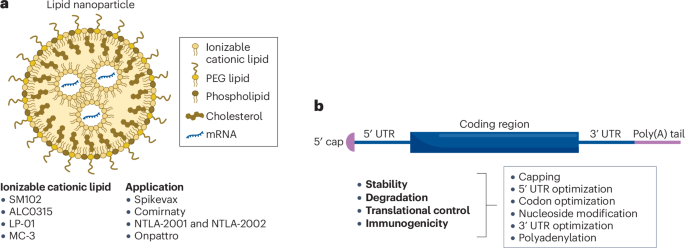
The effectiveness of any mRNA therapy is entirely dependent on its delivery system. MRNA is inherently unstable and would be destroyed by enzymes in the bloodstream long before it reached its target cell. This is why lipid nanoparticles (LNPs) are used to encapsulate the mRNA, acting as a protective shell that facilitates entry into the cell.
Beyond the Liver: The Quest for Extra-Hepatic Targeting
Currently, the vast majority of systemically administered LNPs naturally accumulate in the liver. While this is ideal for treating liver-based metabolic diseases, We see a limitation for the rest of the body. A primary goal of the movement towards mRNA therapeutics 2.0 is the development of “organ-selective” delivery.

- Pulmonary Targeting: Developing formulations that can be inhaled or systemically delivered to target lung tissue for cystic fibrosis or other respiratory conditions.
- Neurological Delivery: Overcoming the blood-brain barrier to treat neurodegenerative diseases.
- Cardiac Specificity: Targeting heart tissue to treat heart failure or genetic cardiomyopathies.
By modifying the chemical composition of the lipids—specifically the ionizable lipids and PEG-lipids—scientists are attempting to “address” the nanoparticles so they are taken up by specific cell types rather than being filtered out by the liver.
Molecular Engineering for Stability and Yield
Beyond delivery, the mRNA molecule itself is being re-engineered. To move towards a therapeutic model, the mRNA must be optimized for:
- Increased Half-Life: Modifying the nucleotide sequence to make the mRNA more resistant to degradation, thereby reducing the frequency of dosing.
- Enhanced Translation: Optimizing the “cap” and “tail” of the mRNA to ensure that the cell’s ribosomes produce the maximum amount of protein from a single molecule of mRNA.
- Reduced Immunogenicity: Using modified nucleosides to prevent the innate immune system from detecting the mRNA as a viral invader.
Key Therapeutic Applications of mRNA 2.0
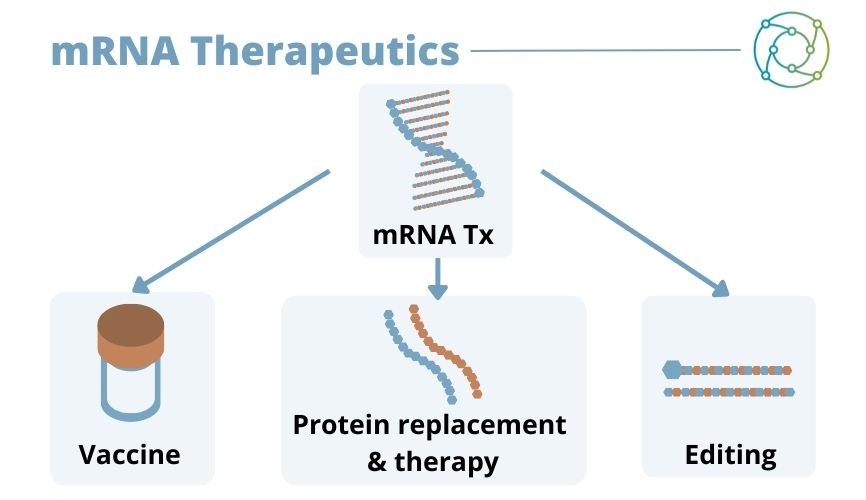
The transition to mRNA 2.0 opens the door to treating diseases that were previously considered “undruggable.” Because mRNA provides the instructions for the protein rather than the protein itself, it allows the body to become its own bioreactor.
Enzyme Replacement Therapies for Rare Diseases
For many rare genetic disorders, the cause is a single missing or defective enzyme. Traditional enzyme replacement therapy (ERT) involves injecting a lab-made protein, which is often expensive, unstable, and requires frequent infusions. MRNA therapeutics offer a more elegant solution: delivering the genetic code that allows the patient’s own cells to produce the enzyme naturally.
“The shift toward protein replacement via mRNA represents a paradigm change in metabolic medicine, moving the site of production from a factory to the patient’s own tissues.”
Cancer Immunotherapies and Cell Reprogramming
While vaccines prevent disease, mRNA therapeutics 2.0 aim to treat existing cancer. This is being approached through several innovative angles:
- Personalized Cancer Vaccines: Sequencing a patient’s tumor to identify unique mutations (neoantigens) and creating a custom mRNA sequence that trains the immune system to attack only those specific cancer cells.
- In Vivo Cell Reprogramming: Using mRNA to temporarily “reprogram” immune cells (like T-cells) inside the body, instructing them to express receptors that target tumors, potentially eliminating the need for expensive and complex ex vivo CAR-T cell therapies.
- Cytokine Production: Using mRNA to trigger the localized production of cytokines within a tumor microenvironment to “wake up” the immune system.
Genome-Modifying Therapies
mRNA is also becoming a critical tool in the realm of gene editing. Technologies like CRISPR-Cas9 require the delivery of a protein (the Cas9 nuclease) and a guide RNA. Delivering the Cas9 as a protein is difficult; delivering it as a permanent DNA integration is risky. MRNA provides the perfect middle ground: it delivers the instructions to create the Cas9 protein temporarily. Once the edit is made, the mRNA degrades, ensuring the gene-editing tool does not linger in the cell and cause “off-target” mutations.
Overcoming the Regulatory and Clinical Barriers
The path from the laboratory to the clinic for mRNA 2.0 is fraught with regulatory challenges. Most current regulatory frameworks for nucleic acids were built around the rapid approval of vaccines during a pandemic. Chronic therapies require a different set of safety data.
The Long-Term Safety Profile
Regulators are now focusing on the cumulative effect of LNP exposure. While a few doses of an LNP are well-tolerated, the impact of monthly or weekly infusions over a decade is unknown. Key areas of investigation include:
- Lipid Accumulation: Whether the lipids used in nanoparticles accumulate in organs over time and if they cause chronic inflammation.
- Tolerability: Managing the “infusion reactions” that can occur with repeated systemic administration.
- Dosage Optimization: Finding the minimum effective dose to maintain protein levels while minimizing the risk of toxicity.
Manufacturing at Scale for Rare Diseases
Unlike the mass-production of a single vaccine for billions of people, mRNA 2.0 often targets “orphan” diseases affecting only a few thousand people worldwide. This requires a shift toward flexible, modular manufacturing processes that can produce small batches of highly specialized, personalized mRNA sequences without sacrificing quality or increasing costs to unsustainable levels.
For those interested in the broader context of genomic medicine, a related explainer on gene editing technologies can provide further insight into how mRNA complements CRISPR and other tools.
Common Misconceptions About mRNA Therapeutics
As mRNA technology enters the mainstream, several misconceptions have persisted. It is crucial to clarify these points to ensure a scientifically grounded understanding of the 2.0 era.

Myth: mRNA Alters Your DNA
Reality: mRNA does not enter the nucleus of the cell, which is where DNA is stored. It operates in the cytoplasm, providing instructions to the ribosomes. Once the protein is made, the mRNA is naturally broken down by the cell. It cannot integrate into the human genome.
Myth: mRNA 2.0 is Just “Better Vaccines”
Reality: While the technology is related, the intent is entirely different. A vaccine is an educational tool for the immune system. A therapeutic is a functional tool for protein replacement or cellular modification. The biological goals, delivery mechanisms, and dosing schedules are fundamentally distinct.
Myth: The Technology is Already Perfected
Reality: While the COVID-19 vaccines were a triumph, they were a “proof of concept” for a very specific use case. Solving the problems of organ-specific targeting and long-term immune tolerance (the core of mRNA 2.0) is an ongoing scientific challenge that is still in the clinical trial phase.
Frequently Asked Questions
What exactly is “mRNA Therapeutics 2.0”?
mRNA Therapeutics 2.0 refers to the evolution of mRNA technology from short-term vaccines (designed to trigger an immune response) to long-term medicines (designed to treat chronic diseases, replace missing proteins, or reprogram cells).
How does this differ from traditional gene therapy?
Traditional gene therapy often involves using a virus to permanently insert a new gene into a patient’s DNA. MRNA therapy is transient; it delivers instructions to make a protein without changing the patient’s underlying genetic code, making it potentially safer and more controllable.
What are the biggest hurdles for mRNA 2.0?
The primary challenges are “extra-hepatic” delivery (getting the drug to organs other than the liver) and avoiding the immune system’s reaction to repeated doses of lipid nanoparticles (LNPs).
Which diseases are most likely to be treated first?
Rare metabolic disorders requiring enzyme replacement and specific types of cancer are the primary targets. These conditions benefit most from the ability to produce specific proteins directly within the body.
Is this technology safe for long-term use?
Long-term safety is currently being evaluated in clinical trials. The focus is on the cumulative effect of the delivery vehicles (LNPs) and ensuring that the body does not develop neutralizing antibodies against the therapy over time.
The journey towards mRNA therapeutics 2.0 marks a transition from the era of prevention to the era of precision cure. By treating the body as its own pharmacy, this technology promises a future where genetic deficiencies are corrected not by altering the blueprint of life, but by providing the cell with the precise instructions it needs to heal itself. As delivery systems become more refined and “immune-silent,” the potential to address a vast array of previously untreatable conditions becomes a tangible clinical reality.
