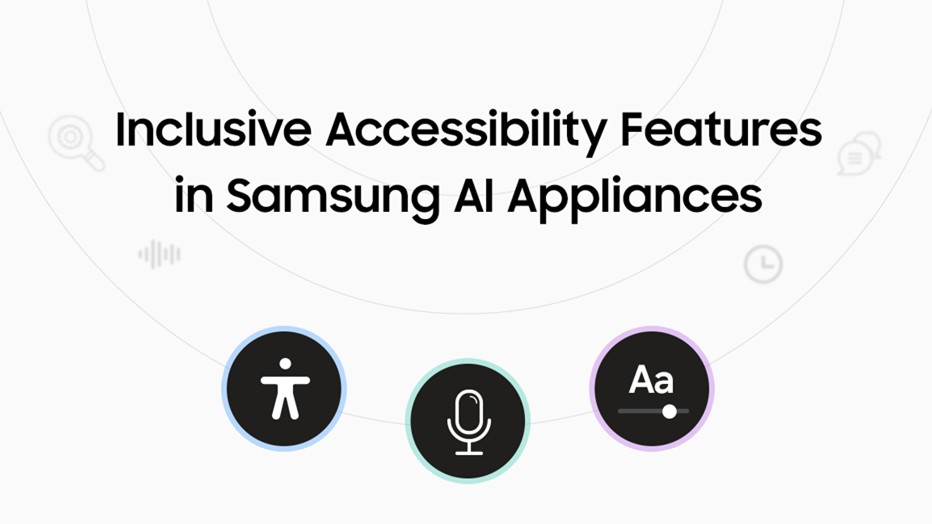
[Infographic] Samsung AI Appliances Deliver Inclusive Experiences Through Enhanced Accessibility Features – samsung.com: A New Era of Inclusive Home Automation
For decades, the concept of the “smart home” was marketed primarily as a luxury of convenience—a way to dim the lights from a sofa or preheat an oven via a smartphone. However, a fundamental shift is occurring in the consumer electronics landscape. The focus is moving from mere convenience to essential inclusivity. The recent unveiling of how [Infographic] Samsung AI Appliances Deliver Inclusive Experiences Through Enhanced Accessibility Features – samsung.com highlights a critical pivot toward universal design, where artificial intelligence (AI) is leveraged not just to make life easier, but to make it possible for millions of people with disabilities to navigate their homes with independence.
By integrating advanced AI into everyday appliances, Samsung is addressing a long-overlooked gap in the home appliance market: the accessibility barrier. For individuals with visual, auditory, or motor impairments, a standard washing machine or refrigerator can be a source of frustration or even a safety hazard. The integration of generative AI and intuitive interfaces aims to dismantle these barriers, transforming the domestic environment into an empowering space that adapts to the user, rather than forcing the user to adapt to the machine.
The Architecture of Inclusive AI: How It Works
At the heart of this evolution is the transition from “static” interfaces to “adaptive” ones. Traditional appliances rely on physical buttons, small LED screens, and complex menus that assume a baseline of physical and sensory ability. Inclusive AI replaces these rigid systems with a multi-modal approach, allowing users to interact with their environment through whichever sense or method is most accessible to them.
Voice-First Interaction and Natural Language Processing
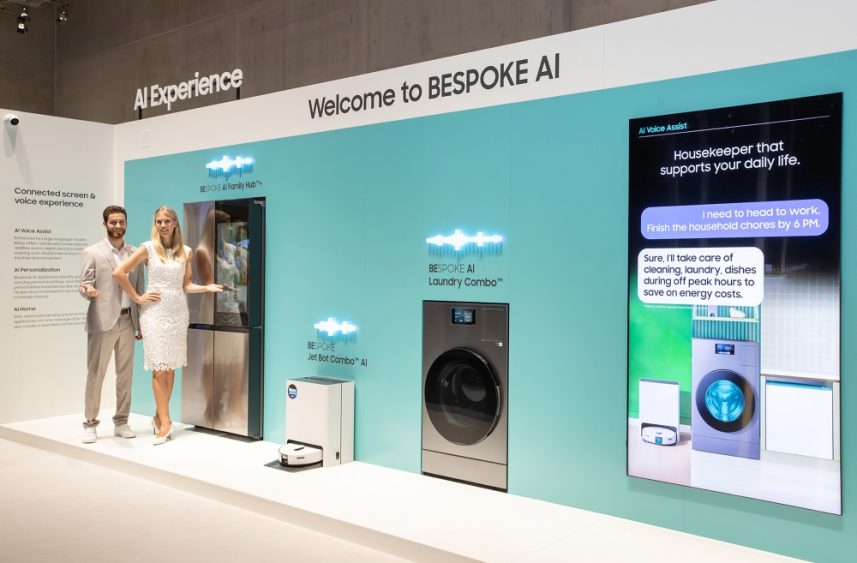
The most immediate impact of AI in accessibility is the refinement of voice control. While voice assistants have existed for years, the current generation of AI utilizes Large Language Models (LLMs) and advanced Natural Language Understanding (NLU) to move beyond simple commands. For a user with severe motor impairments or visual loss, the ability to say, “I’m struggling to find the delicate cycle for my wool sweater,” and receive a spoken confirmation and automatic setting adjustment is a paradigm shift.
This “conversational AI” removes the need to navigate deep menu hierarchies on a touch screen. By processing intent rather than just keywords, the AI can anticipate needs and provide guidance, effectively acting as a digital companion for the user.
Visual Assistance and Computer Vision
For the visually impaired, the challenge isn’t just operating the machine, but interacting with the physical items the machine handles. AI-powered computer vision is now being integrated into appliances to provide real-time feedback. Imagine a refrigerator that can identify the contents of a shelf and announce them via a speaker, or an oven that can alert a user via a smartphone app when a dish has reached a specific visual state of “browned” or “cooked.”
These features reduce the cognitive load and the physical risk associated with managing household chores, turning a potentially dangerous task—like handling a hot oven—into a managed, guided experience.
Haptic Feedback and Simplified Interfaces
Accessibility is not a one-size-fits-all solution. For those with hearing impairments, AI-driven haptic feedback and visual signaling are paramount. Instead of relying on a “beep” to signal the end of a laundry cycle, AI appliances can send a specific vibration pattern to a wearable device or flash the lights in a room to notify the user. This ensures that critical information is communicated through alternative sensory channels.
Breaking Down the Accessibility Pillars
To understand the scale of these improvements, it is helpful to categorize the features based on the specific needs they address. The goal of universal design is to create products that are usable by all people, to the greatest extent possible, without the need for adaptation.
| Impairment Type | AI-Driven Solution | Real-World Impact |
|---|---|---|
| Visual Impairment | Voice guidance, Computer Vision, High-contrast UI | Independent operation of laundry and kitchen appliances without sighted assistance. |
| Hearing Impairment | Haptic alerts, Visual notifications, Speech-to-text | Immediate awareness of appliance status and safety warnings via non-auditory cues. |
| Motor/Physical Impairment | Voice control, Remote app management, Automated cycles | Reduced physical strain; ability to operate heavy machinery via voice or a smartphone. |
| Cognitive Impairment | Simplified “Easy Mode” interfaces, AI-guided prompts | Reduced anxiety and confusion when performing complex household tasks. |
The Strategic Importance of Universal Design
The move toward inclusive AI is not merely a corporate social responsibility (CSR) initiative; it is a strategic response to demographic shifts and regulatory pressures. The global population is aging, and with that comes an increase in age-related disabilities, including diminished eyesight, hearing loss, and reduced mobility. This trend has given rise to the “Aging in Place” movement—the desire for seniors to remain in their own homes as they age rather than moving to assisted living facilities.
“Universal design is no longer an optional ‘add-on’ for a niche market. It is the future of consumer electronics. When you design for the margins, you end up making a better product for everyone.”
For example, a voice-controlled oven is a lifeline for someone with arthritis, but it is also a convenience for a parent holding a toddler. High-contrast screens are essential for the visually impaired, but they are also helpful for someone using an appliance in a brightly lit kitchen with heavy glare. This “curb-cut effect”—where an accessibility feature eventually benefits the general population—is a primary driver for AI integration in the home.
The Regulatory Landscape
governments worldwide are tightening accessibility standards. The European Accessibility Act and the Americans with Disabilities Act (ADA) are increasingly influencing how digital interfaces are designed. Companies that fail to integrate accessibility into their core product DNA risk not only legal challenges but also the loss of a significant market segment. By proactively implementing these features, Samsung is positioning itself as a leader in a market where inclusivity is becoming a legal and social mandate.

Integrating the Ecosystem: SmartThings and Bixby
The true power of these accessibility features lies in their integration. A single accessible washing machine is helpful, but an integrated ecosystem is transformative. This is where the synergy between Samsung’s SmartThings platform and the Bixby AI assistant becomes critical.
SmartThings acts as the central nervous system of the home, allowing different appliances to communicate. For a user with limited mobility, In other words the ability to create “routines.” A single voice command—“Bixby, start my morning routine”—could simultaneously start the coffee maker, adjust the smart blinds to let in light, and provide a spoken weather report. This reduces the number of physical interactions required to start the day, significantly lowering the barrier to independence.
the cloud-based nature of these AI systems allows for continuous improvement. Unlike hardware-based accessibility (like adding a physical braille label), AI-driven accessibility can be updated via software. As AI models become more sophisticated in understanding diverse speech patterns—including those of people with dysarthria or other speech impediments—the appliances become more inclusive without the user needing to buy new hardware.
For more on how interconnected devices are changing the home, see our related explainer on the evolution of the IoT ecosystem.
Overcoming the Digital Divide and Implementation Challenges
Despite the promise of AI, the path to total inclusivity is not without obstacles. One of the primary concerns is the “digital divide”—the gap between those who can afford high-end AI appliances and those who cannot. Accessibility technology is often priced as a premium feature, which can ironically exclude the very people who need it most.
The Cost Barrier
High-end AI appliances come with a significant price tag. For many individuals living on disability benefits or fixed pensions, the cost of a fully integrated AI home is prohibitive. There is a growing call for industry leaders to democratize these features, moving them from “premium” tiers to “standard” offerings.
Privacy and Data Security
Another critical challenge is privacy. AI-driven accessibility often requires “always-on” listening or camera-based monitoring to function effectively. For users who may already feel vulnerable, the idea of a company collecting data on their daily habits and physical limitations can be daunting. Ensuring that this data is processed locally (on-device AI) rather than in the cloud is a key technical hurdle that companies must clear to build trust.
Learning Curves and Technical Literacy
While AI is designed to simplify, the initial setup of a smart home ecosystem can be daunting. For an elderly user or someone with cognitive impairments, the process of linking an account, connecting to Wi-Fi, and configuring preferences can be a barrier in itself. The next frontier for inclusive AI is “zero-touch” setup, where the appliance is intuitive from the moment it is plugged in.
Comparative Analysis: The Industry Race for Inclusivity
Samsung is not alone in this pursuit. The tech industry is currently in a race to define the standard for inclusive AI. Apple has long been a leader in accessibility via iOS, and Google has integrated similar capabilities into the Nest ecosystem. LG, Samsung’s primary competitor in the appliance space, has also introduced “ThinQ” AI to address similar needs.

However, the difference lies in the scale of the ecosystem. While a smartphone (Apple/Google) is a personal device, home appliances (Samsung/LG) are environmental. The challenge is much greater when dealing with physical hardware like refrigerators and dryers, which have much longer lifespans than phones. A phone is replaced every three years; a fridge is replaced every fifteen. This means that the AI integrated today must be flexible enough to evolve over a decade of use.
The industry is moving toward a standardized “Accessibility API” for home appliances, which would allow third-party assistive technologies (like specialized screen readers or switch-control devices) to communicate seamlessly with any smart appliance, regardless of the brand.
Common Misconceptions About AI Accessibility
As with any emerging technology, several myths persist regarding AI and accessibility. It is important to clarify these to set realistic expectations.
- Myth: AI will replace human caregivers.
Reality: AI is designed to augment independence, not replace human care. It handles the repetitive, mechanical tasks of home management, allowing caregivers to focus on emotional and complex medical support. - Myth: These features are only for people with severe disabilities.
Reality: Inclusive design benefits everyone. A voice-activated oven is as useful for a chef with messy hands as it is for someone with a motor impairment. - Myth: AI is “too complex” for seniors to use.
Reality: The goal of AI is to remove complexity. By replacing a 10-button panel with a simple voice conversation, AI actually makes technology more accessible to those who struggle with traditional interfaces.
The Future of the Inclusive Home
Looking ahead, the integration of AI into home appliances is likely to move toward “predictive accessibility.” Instead of waiting for a user to give a command, the AI will use sensor data to anticipate a need. For instance, if a smart home system detects that a user has fallen or is struggling to reach a certain area, it could automatically adjust the lighting or alert a designated contact while simultaneously preparing the home environment for emergency access.
We are also likely to see deeper integration with healthcare providers. Imagine a smart refrigerator that not only helps a visually impaired user find their food but also tracks nutritional intake and shares that data with a doctor to help manage a chronic condition like diabetes.
The shift described in the [Infographic] Samsung AI Appliances Deliver Inclusive Experiences Through Enhanced Accessibility Features – samsung.com is more than a product update; it is a statement of intent. It signals a future where the home is no longer a series of obstacles to be overcome, but a supportive partner in the user’s daily life.
Frequently Asked Questions
How does AI specifically help people with visual impairments use home appliances?
AI helps through a combination of voice-guided interfaces (explaining settings and status), computer vision (identifying objects or food items), and integration with smartphone screen readers that can describe the appliance’s current state in detail.
Are these accessibility features available on all Samsung appliances?
Generally, these advanced AI features are integrated into the newer, “smart” lineups that support Bixby and SmartThings. Older, non-connected appliances do not have the hardware necessary to support generative AI and cloud-based accessibility updates.
Does using AI accessibility features compromise my privacy?
While AI requires data to function, many companies are moving toward “Edge AI,” where data is processed locally on the device rather than sent to a cloud server. Users can typically manage their privacy settings through the SmartThings app to control what data is shared.
Can someone with a speech impairment use voice-controlled AI appliances?
Yes. Modern AI is increasingly capable of “voice training” and adapting to non-standard speech patterns. These systems offer multi-modal alternatives, such as using a smartphone app or haptic controls, so that voice is not the only way to interact.
What is “Universal Design” in the context of home appliances?
Universal Design is the philosophy of creating products that are accessible to everyone, regardless of age, size, or ability, without the need for specialized adaptation. In appliances, this means features like voice control and high-contrast screens that benefit both a person with a disability and a typical user.
As the boundaries between human intent and machine execution continue to blur, the focus on inclusivity ensures that no one is left behind in the digital revolution. The transition from “smart” to “inclusive” is the most important evolution in the history of the modern home.
