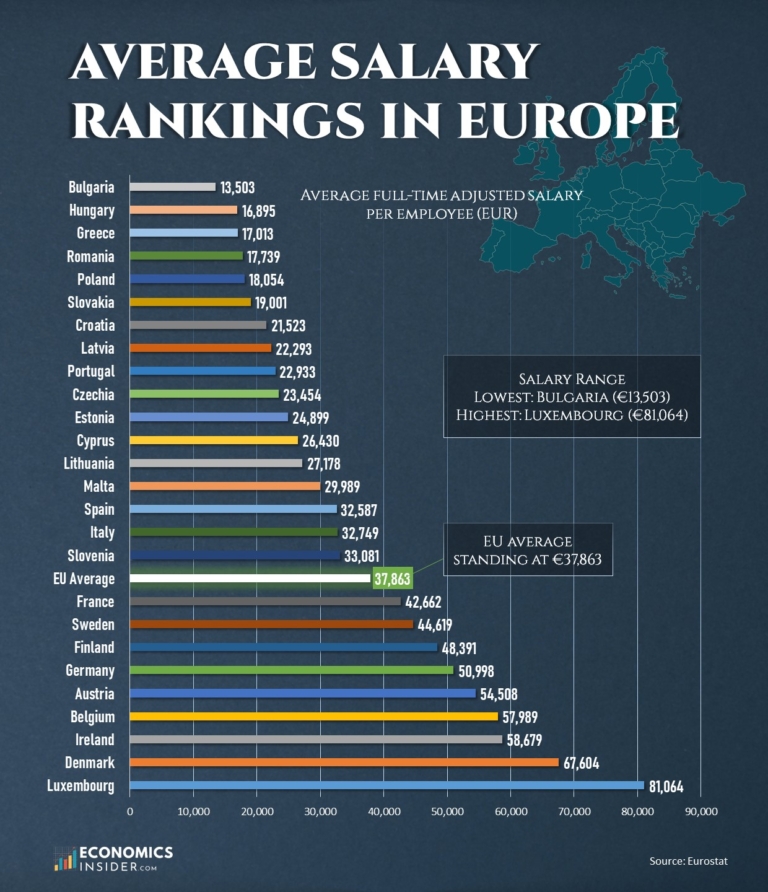
For high-earning professionals relocating within the European Union, the figure listed on an employment contract often masks a starkly different financial reality. Recent data reveals significant disparities in net take-home pay across the region, highlighting a disconnect between gross salary offers and actual disposable income due to varying national tax policies.
- Key Points
- Net salary outcomes vary drastically across Europe, even when gross pay is identical.
- Belgium is identified as one of the most taxing environments for employees.
- A benchmark gross salary of €100,000 yields vastly different results depending on the country of residence.
- Comparative analysis shows a distinct gap in take-home pay between major economies like France and Germany.
The €100,000 Take-Home Benchmark
A gross annual salary of €100,000 serves as a critical benchmark for senior professionals and specialized engineers. However, the amount remaining after mandatory contributions and income taxes varies significantly by jurisdiction. This variance means that a professional earning the same gross amount in two different European cities may experience vastly different standards of living, as the “net” figure is the only true measure of purchasing power.
France vs. Germany: The Net Pay Divide
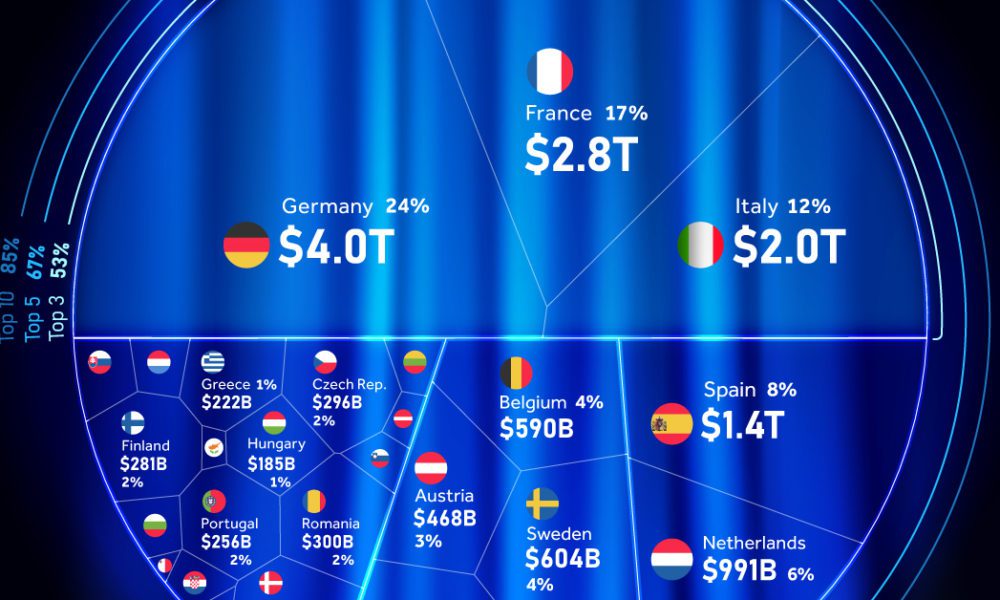
When comparing the two largest economies in the Eurozone, the difference in net earnings is a primary consideration for talent mobility. While both nations maintain comprehensive social security systems, the structure of their tax brackets and social contributions results in different final payouts for employees. Analysis of these two markets indicates that the “winner” in terms of take-home pay depends heavily on the specific tax residency and individual circumstances, though a clear gap exists in how gross earnings are converted to net income.
Belgium’s High Tax Burden
Among the European nations analyzed, Belgium stands out for having one of the most aggressive tax structures for employees. Data indicates that Belgian workers must surrender a larger portion of their gross earnings to the state compared to their neighbors. This high tax pressure significantly reduces the net attractiveness of gross salary increases for professionals working within the country, making it one of the most challenging environments for maximizing take-home pay.
Impact on Professional Talent Mobility
These disparities in net salary rankings create a complex landscape for companies competing for global talent. For specialized workers, the decision to move between hubs like Paris, Berlin, or Brussels is increasingly driven by net income rather than gross offers. As the market for high-skilled labor becomes more transparent, the ability of a country to attract and retain talent is increasingly tied to the efficiency and fairness of its net pay outcomes.
