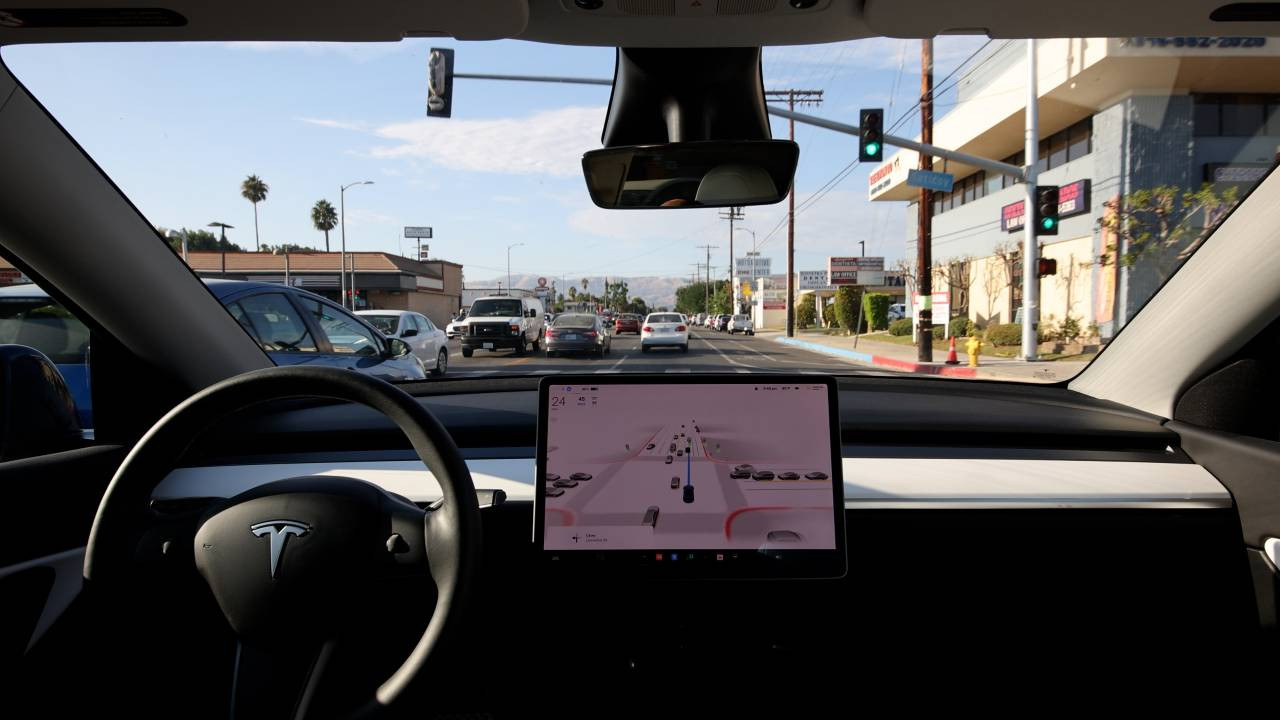
Tesla’s push toward a fully autonomous future is facing a critical internal challenge as reports emerge that the company’s own specialists lack confidence in the Full Self-Driving (FSD) system. While the company continues to market its autonomous capabilities as a cornerstone of its future valuation, testimony from those tasked with training the AI suggests a stark disconnect between corporate claims and real-world performance.
- Tesla employees reportedly claim the FSD system can cause accidents without engaging brakes.
- Internal trainers have expressed a refusal to ride in the autonomous vehicles, even for financial compensation.
- Data indicates that Tesla’s robotaxis have been involved in 17 accidents.
Internal Skepticism and Safety Failures
The reliability of Tesla’s autonomous software is under scrutiny following disclosures from employees who work directly with the system’s training. According to local media reports, some staff members have admitted that the FSD system is prone to severe errors, including collisions where the vehicle fails to apply the brakes entirely.
This lack of confidence extends beyond technical critiques to a fundamental distrust of the technology’s safety. One employee highlighted the severity of the risk in a blunt assessment of the current software state:
I wouldn’t get in it even if they paid me.
For a company whose market capitalization is heavily tied to the promise of solving autonomy, such internal dissent suggests that the gap between current capabilities and a truly “driverless” experience remains significant.
The Robotaxi Hurdle
These internal concerns coincide with troubling data regarding Tesla’s foray into autonomous ride-hailing. Reports indicate that Tesla robotaxis have been involved in 17 accidents, raising questions about the system’s readiness for wide-scale commercial deployment.
From a business perspective, these failures represent more than just technical glitches; they are potential regulatory and financial liabilities. The transition from a vehicle manufacturer to a service provider via a robotaxi fleet requires a level of safety and predictability that current accident rates and employee testimonies call into question.
The persistence of these crashes suggests that the Hardware Plus and updated software iterations have yet to eliminate the critical “edge cases” that lead to collisions, potentially delaying the timeline for a fully autonomous, revenue-generating fleet.
