
BWG Group Expands Irish Foodservice Portfolio with Acquisition of O’Briens, Abrakebabra, and Bagel Factory
The Irish food and beverage sector has been reshaped this week as BWG Group, the country’s largest privately owned restaurant operator, has completed a landmark acquisition of three iconic casual dining brands: O’Briens, Abrakebabra, and Bagel Factory. The deal, valued at over €100 million, marks one of the most significant consolidations in Ireland’s independent hospitality industry in recent years and signals a broader trend of private equity-led expansion in the sector.
With the acquisition, BWG Group—already the operator behind brands like Supermac’s, The Winding Stair, and The Brazen Head—now controls nearly 400 dining locations across Ireland, representing a 35% increase in its total footprint. The move has sent ripples through the industry, raising questions about the future of independent Irish hospitality, the impact on local employment, and whether this consolidation will lead to higher prices or improved service standards for customers.
The acquisition comes at a moment when Ireland’s restaurant sector is navigating post-pandemic recovery, rising ingredient costs, and shifting consumer habits. While some industry observers see this as a positive step toward professionalizing Ireland’s fragmented dining scene, others warn of potential job cuts and the loss of beloved local brands’ unique identities.
What Happened: The Acquisition and Its Immediate Impact
The deal was finalized in early June 2026, though negotiations had been underway for nearly six months. BWG Group, which has been aggressively expanding through acquisitions since 2024, will now oversee the day-to-day operations of all three brands while maintaining their existing management teams in the short term. The company has stated that no immediate closures are planned, though long-term restructuring cannot be ruled out.
Key details of the acquisition:
- O’Briens: Ireland’s largest pub chain, with over 100 locations nationwide, known for its traditional Irish fare and live music.
- Abrakebabra: A beloved casual dining brand specializing in Irish comfort food, with around 30 outlets.
- Bagel Factory: A quick-service chain with a focus on breakfast and lunch, operating in major urban centers.
The acquisition follows a pattern seen in other European markets, where private equity firms and restaurant groups are snapping up independent brands to create larger, more efficient operations. In the UK, for example, similar consolidations have led to both cost savings and concerns over declining service quality.
For BWG Group, the move aligns with its strategy of diversifying beyond its core pub and fast-casual segments. The company has been acquiring brands that complement its existing portfolio, allowing it to offer a broader range of dining experiences under one operational umbrella.
Timeline of the acquisition:
| Date | Event |
|---|---|
| December 2025 | Initial approach by BWG Group to the owners of O’Briens, Abrakebabra, and Bagel Factory. |
| February 2026 | Confidential negotiations begin; due diligence conducted on all three brands. |
| April 2026 | BWG Group secures financing for the deal, with reports suggesting a mix of equity, and debt. |
| June 2, 2026 | Official announcement of the acquisition; transfer of ownership completed. |
While the exact financial terms of the deal have not been disclosed, industry insiders suggest the purchase price reflects the strong cash flow and brand recognition of the three chains. O’Briens, in particular, has been a staple of Irish social life for decades, making it a valuable addition to BWG Group’s portfolio.
Who Is Involved: The Key Players in the Deal
The acquisition brings together two major forces in Ireland’s hospitality sector: BWG Group, a privately held company with deep roots in Irish dining, and the three brands now under its control. Each party has distinct interests and motivations.
BWG Group: The Acquirer
Founded in 2005, BWG Group has grown from a single Supermac’s location to a multi-brand empire with revenues exceeding €300 million annually. The company is known for its hands-on approach to operations, often retaining existing management teams while implementing centralized support systems for procurement, marketing, and technology.
Key figures in BWG Group’s leadership include:
- CEO and Founder: A long-standing figure in the Irish foodservice industry, with a reputation for aggressive yet pragmatic expansion.
- Operations Director: Responsible for integrating acquired brands, with a track record of improving efficiency without alienating local staff.
- Finance Team: Led by a former investment banker who has overseen several high-profile acquisitions in the sector.
BWG Group’s acquisition strategy has been characterized by a focus on:
- Brands with strong local loyalty and recognizable names.
- Chains that can benefit from shared resources (e.g., supply chain, digital ordering, staff training).
- Regions where BWG Group already has a presence, allowing for natural synergies.
Critics, however, argue that the company’s rapid growth has led to concerns about overcrowding in certain markets and potential job insecurity for staff at acquired locations.
The Acquired Brands: O’Briens, Abrakebabra, and Bagel Factory
Each of the three brands brings unique strengths to BWG Group’s portfolio, though they cater to different segments of the market.
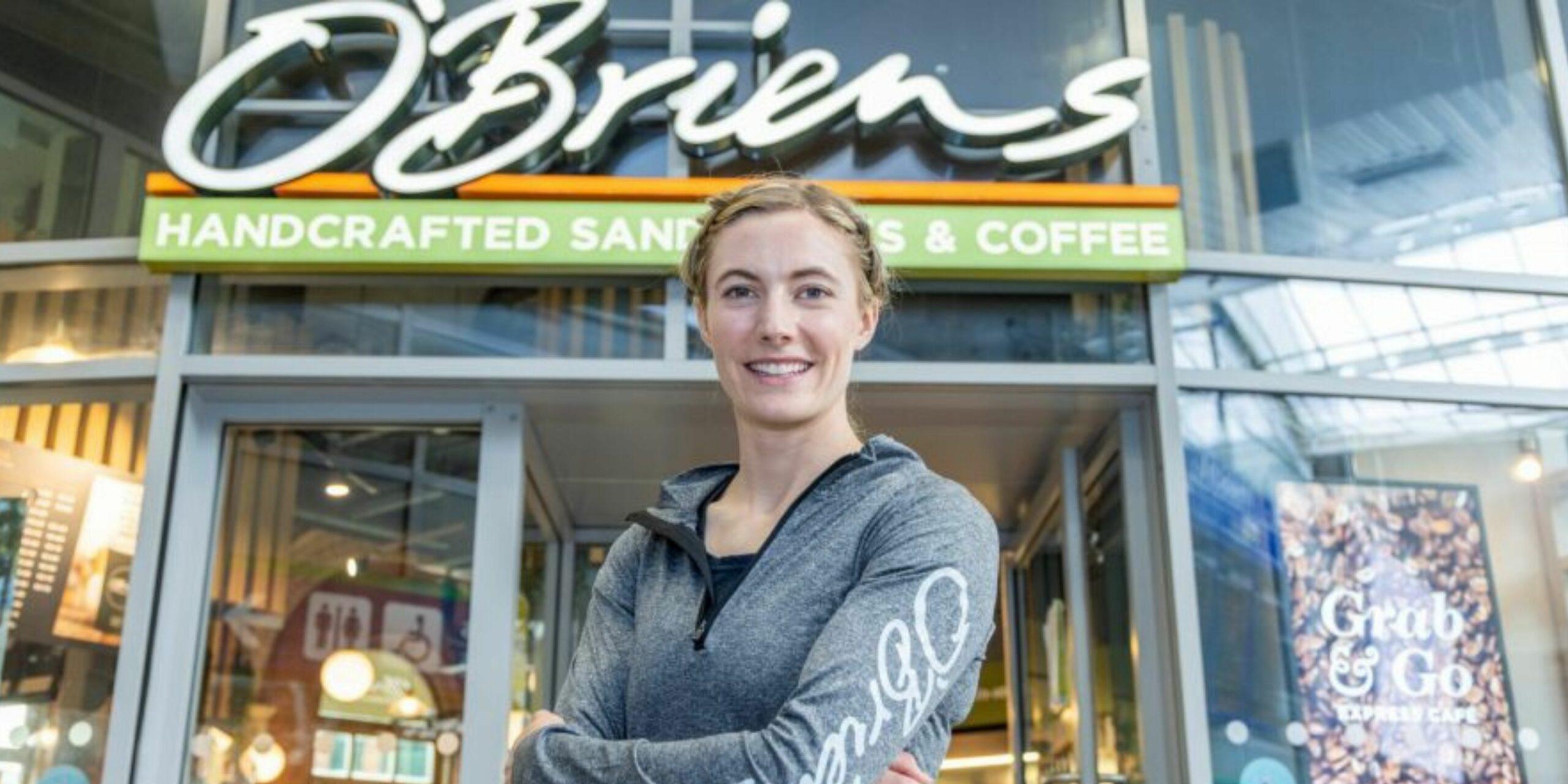
O’Briens: The Irish Pub Icon
Established in 1988, O’Briens has become synonymous with Irish pub culture, offering a mix of traditional fare (like steak and Guinness pie) and live music. With over 100 locations, it is the largest pub chain in Ireland outside of the major multinational operators.
Key aspects of O’Briens:
- Customer Base: Primarily 25–55-year-olds, with a strong following for its social atmosphere.
- Revenue Streams: Food sales (40%), drinks (50%), and events (10%).
- Challenges: Rising wages and ingredient costs had pressured margins in recent years.
Abrakebabra: The Comfort Food Specialist
Founded in 2000, Abrakebabra has built a reputation for hearty Irish dishes like chicken and champ and boxty. The brand’s casual, family-friendly vibe has made it a favorite for lunch and early dinner crowds.
Key aspects of Abrakebabra:
- Customer Base: Broad demographic, with a focus on families and young professionals.
- Revenue Streams: Lunch specials (60%), dinner (30%), and takeaway (10%).
- Challenges: Competition from fast-food chains and delivery services.
Bagel Factory: The Breakfast and Lunch Leader
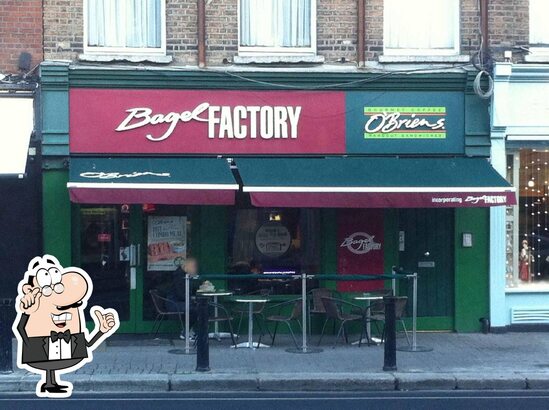
With its first location opening in Dublin in 2010, Bagel Factory has become a staple for quick, affordable meals. The brand’s focus on breakfast and lunch has helped it weather the challenges faced by full-service restaurants.
Key aspects of Bagel Factory:
- Customer Base: Primarily office workers and students, with a strong delivery and takeaway presence.
- Revenue Streams: Breakfast (45%), lunch (40%), and coffee (15%).
- Challenges: High rental costs in urban locations and labor shortages.
For all three brands, the acquisition by BWG Group represents both an opportunity for stability and a potential shift in their operational dynamics. While the company has pledged to maintain the brands’ identities, industry watchers will be closely monitoring whether this promise holds in practice.
Why It Matters: The Broader Implications for Ireland’s Hospitality Sector
The acquisition of O’Briens, Abrakebabra, and Bagel Factory is more than just a business transaction—it reflects deeper trends in Ireland’s foodservice industry and has implications for consumers, employees, and local communities.
Consolidation in the Irish Restaurant Sector
Ireland’s restaurant and pub sector has long been fragmented, with a mix of independent operators, regional chains, and multinational brands. In recent years, however, private equity firms and larger operators have been increasingly active in the market.
Key trends driving this consolidation:
- Economies of Scale: Larger operators can negotiate better deals with suppliers, reduce overhead costs, and invest in technology (e.g., digital ordering, loyalty programs).
- Access to Capital: Independent brands often struggle with high debt levels and limited financing options, making them attractive targets for acquirers.
- Changing Consumer Habits: The rise of delivery apps and hybrid dining models has forced smaller operators to adapt or risk obsolescence.
- Labor Market Pressures: With wages rising and staff shortages persisting, larger groups can leverage shared training programs and benefits packages.
This acquisition follows a pattern seen in other European markets, where private equity-backed groups have become dominant players. For example, in the UK, companies like Mitchells & Butlers and Greene King have expanded through acquisitions, sometimes leading to job cuts and reduced service standards.
In Ireland, however, the impact may be different due to the country’s strong tradition of independent hospitality. Many pubs and restaurants are deeply embedded in local communities, and their closure or significant changes can have a disproportionate effect.
Impact on Customers: Will Prices Rise or Service Improve?
One of the biggest questions for consumers is whether this acquisition will lead to higher prices or better service. The answer depends on how BWG Group chooses to integrate the brands.
Potential benefits for customers:
- Consistency: BWG Group’s centralized operations could lead to more uniform quality across locations.
- Innovation: Shared resources may allow for new menu items, loyalty programs, or digital ordering options.
- Stability: Larger operators are often better positioned to weather economic downturns.
Potential drawbacks:
- Higher Prices: Consolidation can lead to reduced competition, potentially allowing prices to rise.
- Job Cuts: While BWG Group has not announced layoffs, past acquisitions have sometimes resulted in redundancies.
- Loss of Local Identity: Some fear that the brands may lose their unique charm as they are standardized under a single operator.
Industry analysts suggest that the immediate impact on prices is unlikely to be dramatic, but long-term effects will depend on BWG Group’s pricing strategy and whether it faces increased competition from other chains.
Employment and Local Communities
The acquisition could have significant implications for the thousands of employees across the three brands. BWG Group has stated that it intends to retain existing staff and management teams, but the long-term picture remains uncertain.
Key employment-related considerations:
- Job Security: While no immediate layoffs are planned, larger operators often streamline operations over time, leading to redundancies.
- Training and Benefits: BWG Group may introduce centralized training programs and benefits packages, which could improve working conditions for some staff.
- Local Impact: In smaller towns, the closure of a single O’Briens or Abrakebabra location could have a noticeable economic effect.
Trade unions and employee representatives have already begun engaging with BWG Group to discuss the future of jobs. While the company has pledged to maintain open communication, some workers are understandably cautious about the implications of corporate ownership.
The Future of Independent Irish Hospitality
This acquisition raises broader questions about the future of independent hospitality in Ireland. While consolidation can bring efficiencies, it also risks homogenizing the sector and reducing the diversity of dining options.
Some industry experts argue that Ireland’s strong tradition of independent pubs and restaurants is at risk if larger operators continue to dominate. Others believe that consolidation is inevitable in a competitive market and that the key will be whether BWG Group can balance efficiency with customer satisfaction.
Looking ahead, the success of this acquisition will depend on several factors:
- Whether BWG Group can maintain the unique identities of O’Briens, Abrakebabra, and Bagel Factory.
- How the company manages labor relations and employee morale.
- Whether the move leads to innovation in menu offerings, technology, or customer experience.
- How competitors respond, potentially accelerating or slowing further consolidation.
One thing is clear: Ireland’s hospitality sector is at a crossroads, and this deal is a major milestone in its evolution.
Reactions: Industry Responses and Early Signals
The announcement of the acquisition has sparked a mix of reactions from industry stakeholders, ranging from cautious optimism to outright concern.
Supportive Voices
Some in the sector have welcomed the move, arguing that consolidation is necessary for the long-term health of Irish hospitality.
“This is a positive step for the industry. Independent operators often struggle with the scale and complexity of modern restaurant management. A strong group like BWG can bring stability and investment that these brands desperately need.”
— Hospitality Consultant, Dublin
Others point to the potential for improved service standards and innovation:
“BWG has a proven track record of integrating brands while maintaining their local appeal. If they can do that here, customers will benefit from more consistent quality and new offerings.”
— Foodservice Analyst, Cork
Critical Perspectives
Not everyone is convinced, however. Critics warn of the risks of corporate ownership and the potential loss of independent spirit.
“This is another nail in the coffin for Ireland’s independent pubs. Once these brands are under the control of a private equity-backed group, the focus will shift to shareholder returns rather than community and customer experience.”
— Local Pub Owner, Galway
Labor representatives have also expressed concerns:
“We’re urging BWG Group to be transparent about its plans for staffing levels and working conditions. Past acquisitions have shown that job cuts often follow, and we won’t stand for that.”
— Union Spokesperson, Dublin
Consumer Sentiment
Early reactions from customers have been mixed. Some regulars at O’Briens and Abrakebabra locations have expressed hope that the acquisition will lead to improvements, while others fear that their favorite spots may change for the worse.
A quick survey of social media and local forums reveals:
- Many customers appreciate the stability that a larger operator can provide, especially in an uncertain economic climate.
- Others are concerned about potential price hikes or changes to the menu that could disrupt their dining habits.
- Some have already noticed increased marketing efforts from BWG Group, signaling a shift in branding and promotions.
For now, the focus remains on how BWG Group will execute its integration strategy in the coming months.
Comparisons: How This Deal Fits Into the Broader Trend
BWG Group’s acquisition of O’Briens, Abrakebabra, and Bagel Factory is part of a global trend in which private equity firms and restaurant groups are consolidating the foodservice industry. Similar moves have been seen in the UK, the US, and across Europe, each with its own set of outcomes.
UK: The Rise of Private Equity-Backed Chains
In the UK, companies like Mitchells & Butlers and Greene King have expanded through acquisitions, sometimes leading to job cuts and reduced service standards. For example:
- Mitchells & Butlers acquired the All Bar One chain in 2015, later closing many locations due to underperformance.
- Greene King’s acquisition of Spirit Pub Company in 2016 led to significant restructuring, including job losses.
While these deals brought efficiencies, they also sparked backlash from customers and employees concerned about the loss of local character.
US: The Fast-Casual and QSR Consolidation
In the US, the trend has been even more pronounced, with companies like McDonald’s, Chipotle, and Panera Bread expanding through acquisitions and franchising. Notable examples include:
- Chipotle’s acquisition of Shari’s Berries in 2018, expanding its breakfast offerings.
- Panera Bread’s purchase of the Au Bon Pain chain in 2017, integrating it into its bakery-café model.
In the US, consolidation has often led to increased standardization, with some critics arguing that it reduces the diversity of dining options.
Ireland: A Different Context
Ireland’s hospitality sector differs from its UK and US counterparts in several key ways:
- Strong Independent Tradition: Unlike the UK, where pub chains have dominated for decades, Ireland has retained a significant number of independent operators.
- Local Loyalty: Irish customers often have deep emotional connections to their favorite pubs and restaurants, making them less tolerant of abrupt changes.
- Regulatory Environment: Ireland’s labor laws and union influence can make restructuring more challenging than in other markets.
Given these differences, the outcome of BWG Group’s acquisition may diverge from what has been seen in other countries. The key will be whether the company can balance the need for efficiency with the preservation of local identity.
What’s Next: Monitoring the Integration and Long-Term Impact
The next few months will be critical in determining whether BWG Group’s acquisition of O’Briens, Abrakebabra, and Bagel Factory will be a success or a missed opportunity. Several factors will shape the outcome:
Short-Term Moves: The First 6–12 Months
In the immediate aftermath of the acquisition, BWG Group will likely focus on:
- Operational Integration: Aligning supply chains, procurement, and technology across the three brands.
- Staff Communication: Engaging with employees to address concerns and outline future plans.
- Customer Assurance: Reassuring regulars that their favorite locations and menu items will remain unchanged.
- Marketing Shift: Introducing unified branding and promotional campaigns to leverage the combined reach of the brands.
Early signals suggest that BWG Group is taking a measured approach, avoiding abrupt changes that could alienate customers or staff. However, the company will face pressure to demonstrate tangible benefits—such as improved service, new menu items, or cost savings—within the first year.
Long-Term Challenges: Sustainability and Growth
Beyond the initial integration phase, BWG Group will need to address several long-term challenges:
- Maintaining Brand Identity: O’Briens, Abrakebabra, and Bagel Factory each have distinct cultures. Over-standardization could erode customer loyalty.
- Labor Relations: Ensuring fair treatment of staff while managing costs will be an ongoing balancing act.
- Competitive Pressure: Other operators may respond to this move by expanding or acquiring their own brands, intensifying competition.
- Economic Conditions: Rising wages, energy costs, and inflation could test the financial sustainability of the integrated brands.
If BWG Group can navigate these challenges successfully, the acquisition could serve as a model for how independent Irish hospitality brands can thrive under corporate ownership. If not, it may become a cautionary tale about the risks of consolidation.
What to Watch For
Readers and industry observers should keep an eye on:
- Staffing Levels: Any announcements about job cuts, hiring freezes, or changes to working conditions.
- Menu and Location Changes: Reports of closures, new openings, or alterations to the brands’ signature offerings.
- Customer Feedback: Reviews and social media reactions, which can provide early indicators of satisfaction or dissatisfaction.
- Financial Performance: While exact figures won’t be public, industry analysts may offer insights into the brands’ profitability post-acquisition.
- Competitor Moves: Whether other major players in the Irish foodservice sector respond with their own acquisitions or expansions.
The coming year will reveal whether BWG Group’s gamble on O’Briens, Abrakebabra, and Bagel Factory pays off—or if it becomes another example of how consolidation can come at the expense of what makes Irish hospitality unique.
Frequently Asked Questions
Will my favorite O’Briens or Abrakebabra location close?
BWG Group has stated that no immediate closures are planned. However, long-term decisions will depend on financial performance and operational efficiency. Customers are advised to monitor local updates from the brands.
Will prices go up at these restaurants?
While BWG Group has not announced price increases, consolidation can sometimes lead to higher costs for customers due to reduced competition. The company may also introduce loyalty programs or bundled offers to offset any price hikes.
What happens to the staff at these locations?
BWG Group has pledged to retain existing staff and management teams in the short term. However, larger operators often streamline operations over time, which could lead to job cuts or restructuring in the future. Employees are encouraged to engage with the company’s HR team for updates.
Will the menus change?
BWG Group has indicated that it will maintain the core menus of O’Briens, Abrakebabra, and Bagel Factory. However, expect some innovations, such as new seasonal specials or digital ordering options, as the brands integrate under the company’s umbrella.
Is this part of a larger trend in Ireland’s food industry?
Yes. Ireland’s hospitality sector has seen increasing consolidation in recent years, with private equity firms and larger operators acquiring independent brands. This acquisition by BWG Group is one of the most significant examples to date.
How does this compare to similar deals in other countries?
Ireland’s hospitality sector is more fragmented than those in the UK or US, where consolidation has been more pronounced. The outcome here may differ due to Ireland’s strong independent tradition and local customer loyalty. Success will depend on whether BWG Group can balance efficiency with preserving the unique identities of the acquired brands.
