OpenAI to shut down Atlas browser and move features to ChatGPT products
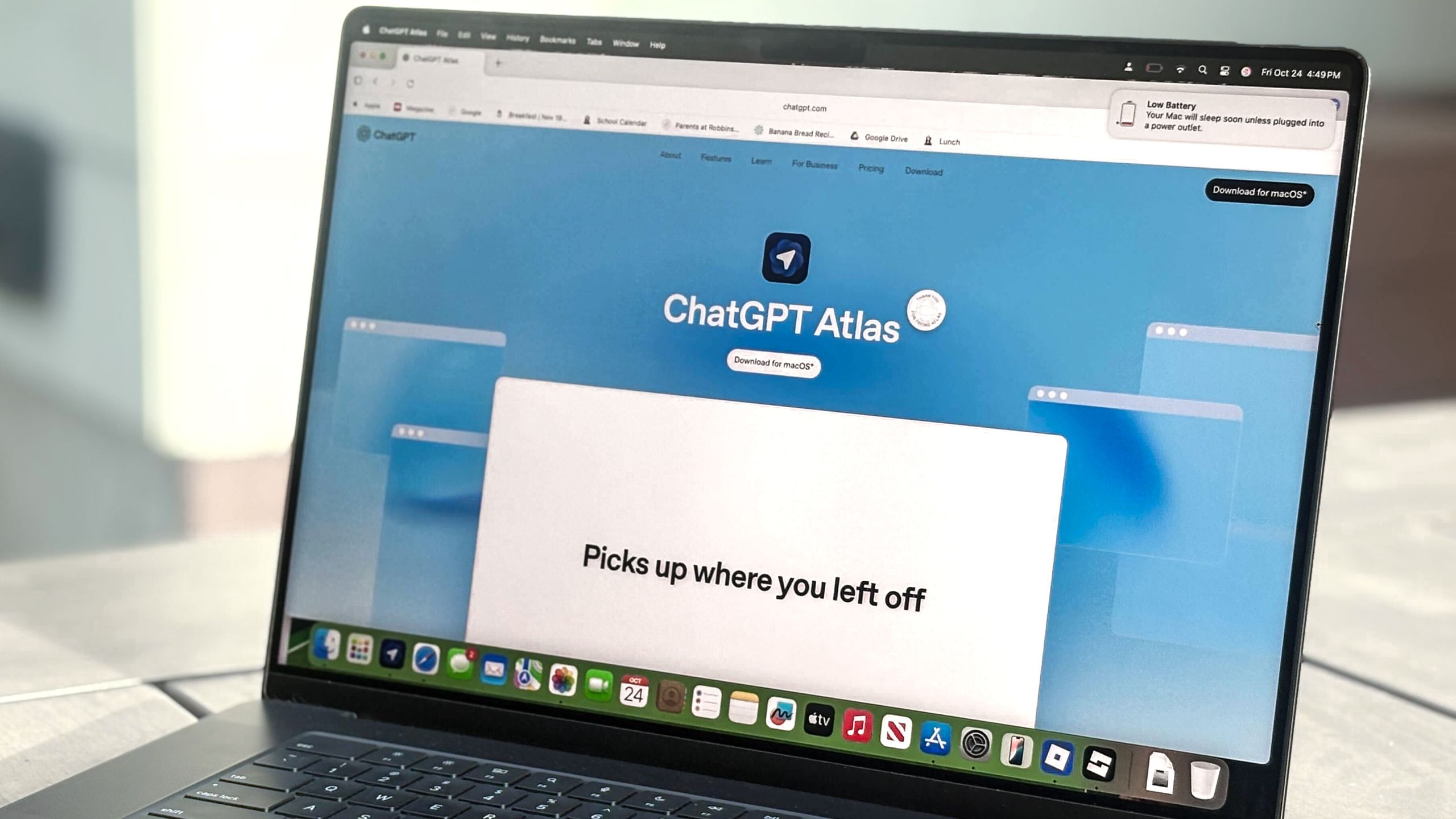
OpenAI will shutter its standalone Atlas browser, migrating core features like web navigation and agentic tasks into its desktop app, Work tool, and extensions.

OpenAI is officially retiring Atlas, its standalone AI-powered web browser, marking a definitive pivot in the company’s strategy to integrate agentic browsing directly into the tools users already frequent. Launched in October 2025, the browser will cease operation on August 9, 2026. According to company product staff member James Sun, the decision follows a period of testing and user feedback that proved the most valuable utility of the project was not the browser itself, but the underlying capability for AI to interact with the web on behalf of a user.
The move represents a significant shift from the industry-wide trend of the previous year, when numerous companies attempted to lure users away from established platforms like Chrome or Safari by building dedicated AI-first browsers. Instead, OpenAI has concluded that the browser should function as a feature rather than a destination. By folding Atlas’s technology into the broader ChatGPT ecosystem, the company aims to embed intelligence directly into the user's existing workflow.
Related media


The Migration of Features
The transition entails moving Atlas’s core functionality — including agentic tasks, web navigation, and session management — into three primary channels:
- ChatGPT Desktop App: This platform is receiving a major update, featuring a built-in browser capable of managing multiple tabs, handling file downloads, and utilizing a password manager. It also integrates autofill and enterprise single sign-on capabilities.
- ChatGPT Work: A new desktop-focused tool that utilizes a remote, cloud-based browser. This allows AI agents to perform complex, background tasks, such as researching websites or submitting forms, on a user’s behalf while maintaining human oversight via screenshots and status updates.
- Chrome Extension: A new tool for the Google browser that provides ChatGPT with contextual awareness of the user’s current webpage. This allows the AI to summarize content, answer questions, or extract data from active tabs without requiring the user to copy and paste text.
OpenAI’s James Sun framed the sunsetting of the browser as a logical conclusion to a successful experimental phase.
"All these capabilities were built on what we learned from Atlas users who took a leap of faith on a new browser. You taught us how agents can help make browsing and doing work on the open web better, and we are applying these learnings to these new products."
Broader Strategic Realignment
This shutdown occurs alongside the rollout of GPT-5.6 and a corporate-wide effort to streamline operations. Reports indicate that leadership at OpenAI has moved to cut back on "side quests" to focus on core productivity products. This follows the discontinuation of the company’s AI video-generation tool, Sora. The company’s former CEO of applications, Fidji Simo, had previously pushed for this consolidation, aiming to simplify a sprawling product line.
The Atlas project also garnered attention for its reliance on the Chromium engine, a detail not prominently featured during the product’s initial launch. Despite this reliance, the browser occupied a space in an increasingly competitive market, vying for relevance against products like Perplexity’s Comet and The Browser Company’s Dia.
Action Required for Users
With the shutdown date approaching on August 9, 2026, existing Atlas users are advised to export or save any important data related to the browser, including bookmarks and pages. OpenAI has clarified that while chat history remains safe within user accounts, individuals should save or export any necessary browser-based information before the August deadline, after which the application may no longer open, browse, or support browser-based agentic workflows.
This consolidation into a "continuous workspace" reflects a wider industry consensus: the future of AI-powered browsing may not involve choosing a new default browser, but rather ensuring that an intelligent agent is available regardless of the platform a user prefers. Whether these tools can safely manage the security risks associated with agents roaming the web remains a central concern, as recent researchers demonstrated that early iterations of such browsers could be manipulated to leak sensitive user credentials.
Archypedia is dedicated to independent, evidence-backed reporting. This briefing was synthesized from primary source reporting, corroborated across independent newsrooms, and verified against our Editorial Standards.
Transparency record
Evidence behind this report
This report synthesizes 11 distinct sources. Open the source ledger below to compare the underlying coverage.
- eweek.com
- me.mashable.com
- mediapost.com
- techcrunch.com
- mashable.com
- tomsguide.com
- tech.yahoo.com
- thenextweb.com
- androidauthority.com
- timesnownews.com
- thetechportal.com
Prepared under the Archypedia Editorial Policy by the Niko Vale editorial desk profile. AI-assisted tools may support drafting and verification; public accountability remains with Archypedia. Report an error.