Google Maps begins rollout of 3D immersive navigation to Android Auto
Android Auto is updating its navigation experience with 3D map rendering and integrated conversational AI tools to offer a more intuitive interface.
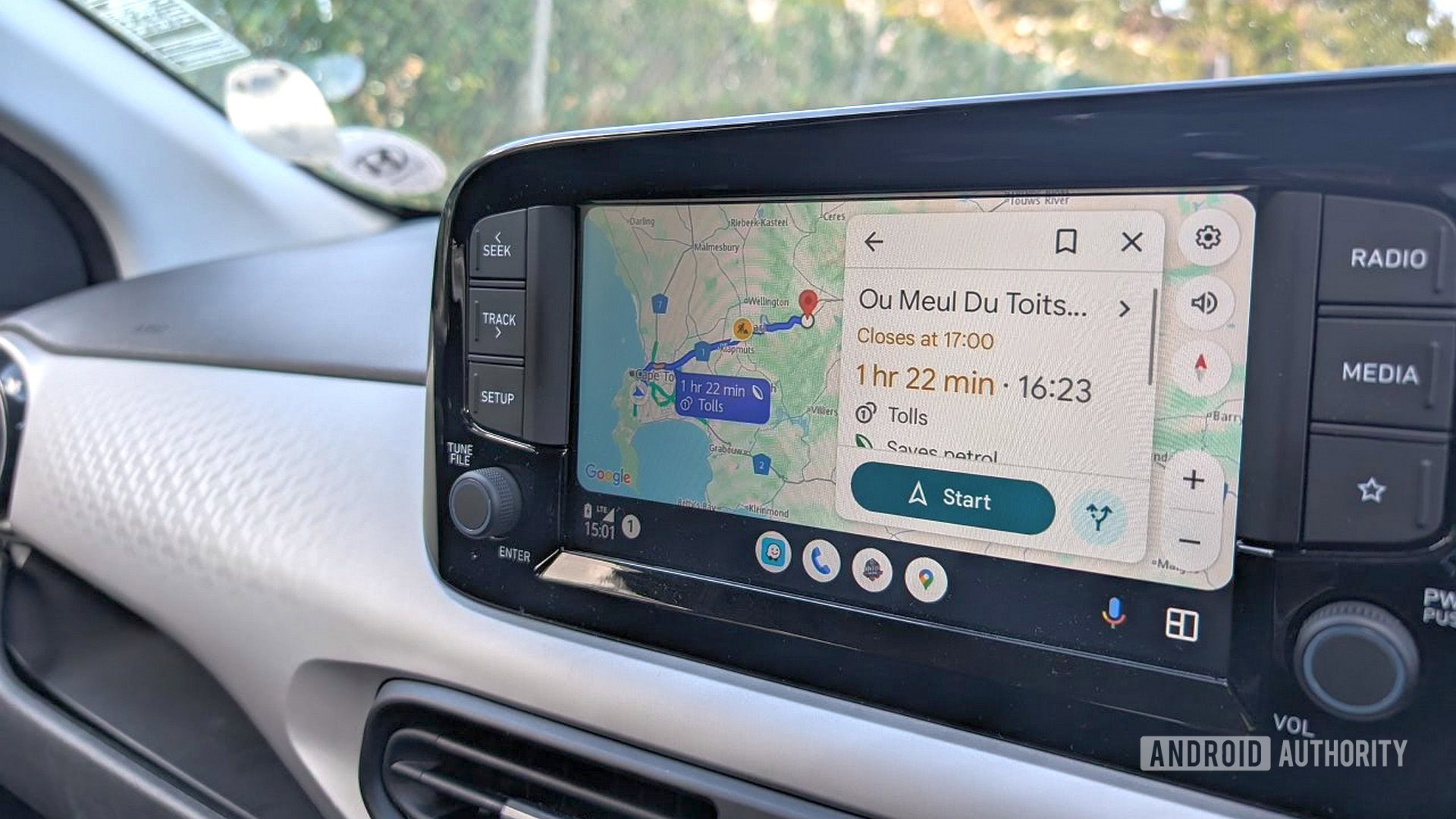
Drivers using Android Auto are beginning to see a major visual transformation in their navigation experience as Google introduces 3D immersive navigation to the platform. This update, which follows an earlier release on other operating systems, is a notable shift in how route information is presented on vehicle displays.
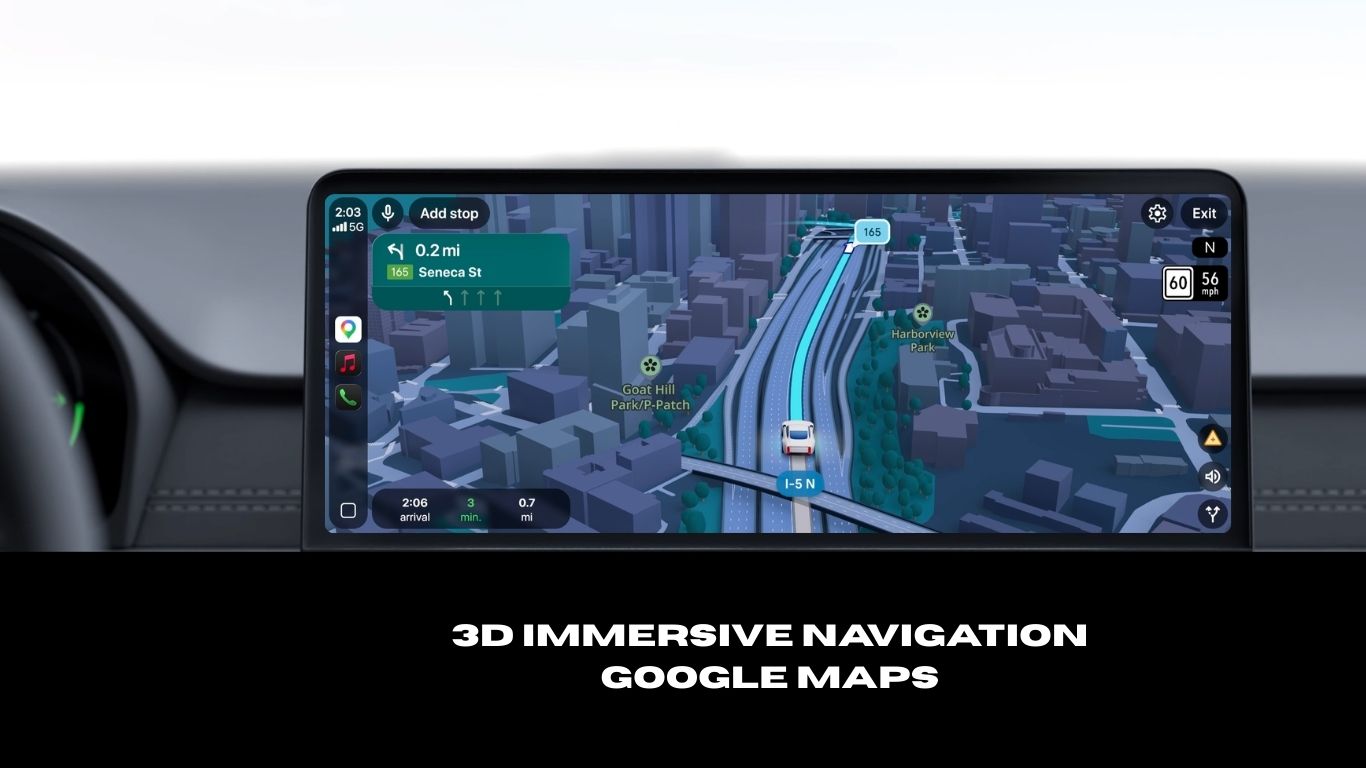
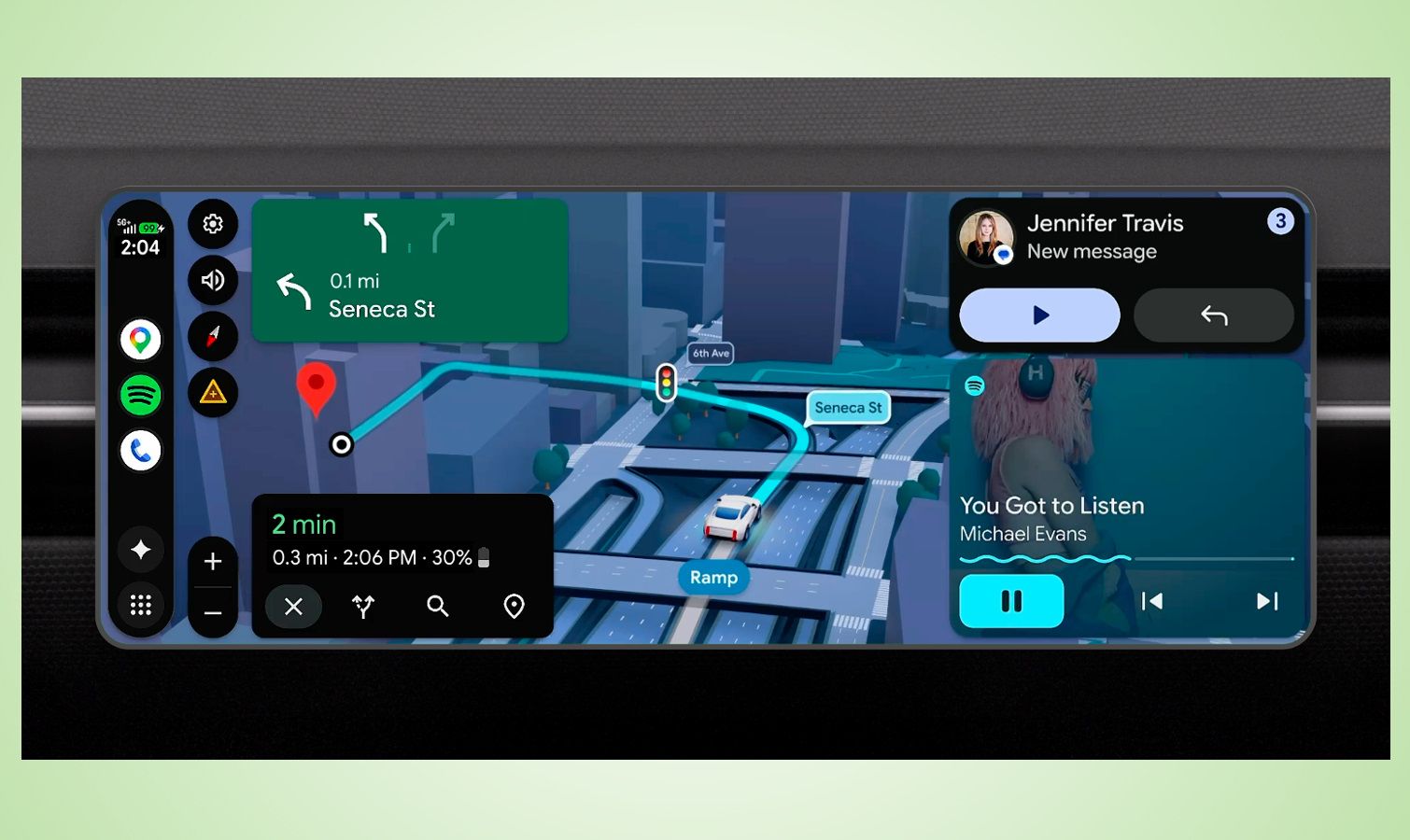
The immersive navigation system replaces standard, flat 2D maps with a three-dimensional view of the surroundings. By leveraging aerial imagery and street-level data, the interface renders buildings, terrain, and overpasses in a spatial format designed to make navigation more intuitive. Beyond aesthetic changes, the system highlights critical road details such as crosswalks, stop signs, traffic lights, and lane markings. According to reporting from Android Authority, users have noted that the 3D buildings and flyover effects are clearly visible in the new UI.
Related media

Rollout and Technical Context
The distribution of this feature appears to be a server-side transition rather than a simple version-locked update. While some users reported seeing the changes after installing software updates, others running identical software versions in beta channels have noted that the feature remained inactive. Androidsage notes that while recent versions of the underlying in-car software provide the necessary infrastructure and backend hooks for these changes, the appearance of the features is controlled by the provider rather than the specific APK version installed on the device.
This update is part of a broader push to modernize the in-car experience. In addition to the 3D map rendering, Google is moving to integrate more conversational AI tools into the navigation process. This initiative includes a feature that allows users to ask complex, real-world questions about destinations and receive personalized recommendations without navigating through multiple menus. For example, drivers can inquire about parking availability or specific facility amenities, with the system providing answers backed by location data and community-contributed information.
Comparison: Current vs. Upcoming Features
| Feature | Description |
|---|---|
| Immersive Navigation | 3D rendering of buildings, terrain, and road details. |
| Ask Maps | Conversational search for recommendations and logistics. |
| Magic Cue | Context-aware suggestions based on messages and recent activity. |
| Live Lane Guidance | Camera-integrated lane assistance for vehicles with Google built-in. |
A Wider Transformation
The update to Google Maps arrives alongside a suite of other enhancements for Android Auto. Reporting from Tom's Guide and Tech highlights that the platform is adopting the Material 3 design language, which allows the interface to adapt dynamically to various screen shapes and sizes. This is a notable development for vehicles with non-standard dashboard displays, such as circular or ultrawide screens, which previously suffered from inefficient layout usage.
Furthermore, vehicles with Google systems built directly into their hardware are set to receive deeper integration capabilities. These cars will eventually be able to utilize vehicle sensors and front-facing cameras to provide precise lane-keeping guidance, assisting drivers in navigating complex interchanges by visualizing exactly which lane to occupy. Additional features currently in development for the platform include expanded video playback support for stationary vehicles and spatial audio support.
What to Watch Next
- Global Expansion: While the rollout is active in the United States, official word on a wider international release remains pending.
- AI Integration: As Gemini models are further woven into the driving experience, users can expect more proactive "Magic Cue" suggestions, which offer navigation shortcuts based on context gleaned from mobile notifications and messages.
- Platform Parity: While Android Auto receives these visual updates, related applications like Waze are seeing simultaneous, distinct AI-driven updates, including personalized routing and conversational reporting for road hazards.
As the system continues to evolve, the integration of 3D spatial awareness and conversational AI represents the most significant change to the platform in over a decade.
Archypedia is dedicated to independent, evidence-backed reporting. This briefing was synthesized from primary source reporting, corroborated across independent newsrooms, and verified against our Editorial Standards.
Transparency record
Evidence behind this report
This report synthesizes 6 distinct sources. Open the source ledger below to compare the underlying coverage.
Prepared under the Archypedia Editorial Policy by the Niko Vale editorial desk profile. AI-assisted tools may support drafting and verification; public accountability remains with Archypedia. Report an error.


