Apple Is Reportedly Working on Beats-Branded Game Controllers for iPhones
Internal software code reveals Apple is developing two distinct mobile gaming controllers under its Beats subsidiary, featuring motion controls and split haptics.

SAN FRANCISCO — Apple is plotting a calculated expansion into the mobile gaming accessory market, navigating a sharp corporate tension between its elite hardware standards and the realities of competitive pricing. While the technology titan has long maintained strict control over its premier design language and materials, its upcoming physical iPhone gaming controllers are reportedly slated to arrive under the Beats subsidiary rather than bearing the primary corporate badge, according to reporting by Bloomberg's Mark Gurman.
The strategic maneuver allows Apple to target a rapidly growing ecosystem of mobile gamers without compromising the high-end aesthetic or pricing expectations traditionally demanded by core Apple-branded hardware. By routing the development through Beats executives who have spent over a year spearheading the hardware project, the company positions itself to capture budget-conscious consumers who might otherwise purchase established third-party peripherals.
Related YouTube video


Unmasked Hardware Codenames and Technical Divergence
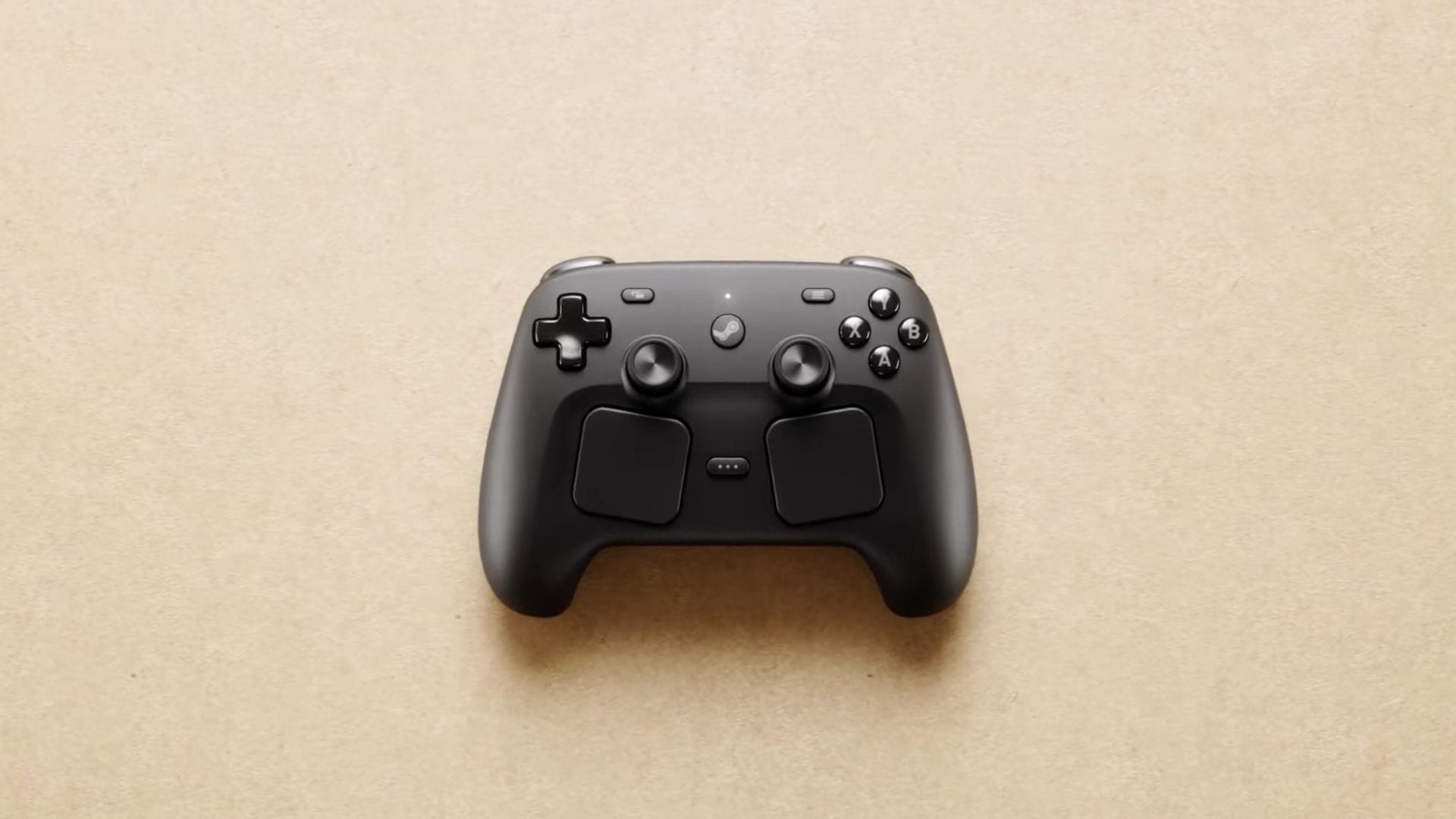
The existence of the project first surfaced when a MacRumors reader discovered software references in operating system code pointing to two separate unreleased hardware models. Designated internally by the codenames T6502 and T1057, both controllers incorporate standard baseline inputs required for modern gaming, including a D-pad, dual thumbsticks, analog triggers, shoulder buttons, and dedicated system menu keys.
Despite these shared foundational controls, the two models diverge significantly in their tactile and motion capabilities. The T1057 model incorporates an integrated accelerometer and gyroscope, enabling motion-based input mechanics for compatible titles. Meanwhile, the T6502 relies on an alternative haptic architecture, utilizing segregated feedback zones specifically separated for the left and right sides of the chassis.
| Controller Codenames | Discovered Software Source | Key Technical Features |
|---|---|---|
| T6502 | iOS / macOS operating system code | Split left and right haptic feedback zones, dual thumbsticks, triggers, D-pad |
| T1057 | iOS / macOS operating system code | Accelerometer and gyroscope support, dual thumbsticks, triggers, D-pad |
The Strategy Behind the Beats Brand
Apple's decision to use the Beats subsidiary for the hardware represents a deliberate structural precedent. Since acquiring Beats for $3 billion, Apple has increasingly leaned on the secondary brand to market auxiliary equipment that diverges from core Apple industrial design. Beyond its traditional audio equipment catalog, Beats already manages non-audio accessories such as branded iPhone cases and USB-C cables.
Gurman notes that this framework gives the company a reliable vehicle for categories requiring competitive, lower pricing thresholds that would normally strain Apple's standard margins and premium branding rules. By avoiding the expensive finishes associated with flagship iPhones and iPads, a Beats-branded peripheral can aggressively target price points occupied by mainstream rivals.
Confronting the Third-Party Ecosystem
The introduction of first-party hardware directly alters the commercial landscape for established manufacturers currently populating Apple's online and retail storefronts. Brands such as Backbone, SteelSeries, Razer, and GameSir have historically dominated the iOS mobile gamepad category. Apple's entry brings direct corporate competition to companies that rely heavily on Apple's retail infrastructure to reach consumers.
Frequently Asked Questions
What brand will Apple's upcoming iPhone game controllers use?
According to Bloomberg's Mark Gurman, the controllers are expected to be sold under the Beats brand rather than Apple's primary name.
What technical differences exist between the two leaked models?
The T1057 model features an accelerometer and gyroscope for motion controls, while the T6502 features a split left-and-right haptic feedback setup.
Despite the depth of the software leaks and the extended timeline of internal development, significant questions remain regarding the commercialization of the project. There is currently no official confirmation from Apple regarding whether the code references represent final consumer-ready retail products or merely internal testing prototypes. Potential release timelines have not been established, leaving the exact commercial rollout schedule entirely unaddressed as the company evaluates its broader gaming ecosystem strategies.
Ecosystem Expansion and the Apple Arcade Connection
The hardware project aligns with a broader corporate push by Apple to elevate gaming credentials across iPhones, iPads, and Macs in recent years, which has included introducing support for console controllers and higher-end game titles on newer devices. According to reporting from iPhone in Canada, industry observers suggest that introducing a proprietary controller could eventually be tied to further promotion and integration with Apple Arcade.
Bloomberg's Mark Gurman notes that the hardware effort has been spearheaded specifically by Beats executives over a span exceeding one year. By utilizing the subsidiary brand, Apple intends to capture a growing mobile gaming audience without violating the strict pricing and aesthetic rules that govern flagship Apple-branded hardware.
Ultimately, the realization of these first-party accessories remains unconfirmed by official corporate channels, leaving open whether the discovered software strings point to production units or early internal testing prototypes. As the technology giant continues to weigh its broader software and hardware strategies for mobile entertainment, the next step depends on whether executive leadership elects to transition the T6502 and T1057 prototypes into a formal retail rollout.
Archypedia is dedicated to independent, evidence-backed reporting. This briefing was synthesized from primary source reporting, corroborated across independent newsrooms, and verified against our Editorial Standards.
Transparency record
Evidence behind this report
This report synthesizes 4 distinct sources. Open the source ledger below to compare the underlying coverage.
Prepared under the Archypedia Editorial Policy by the Niko Vale editorial desk profile. AI-assisted tools may support drafting and verification; public accountability remains with Archypedia. Report an error.


