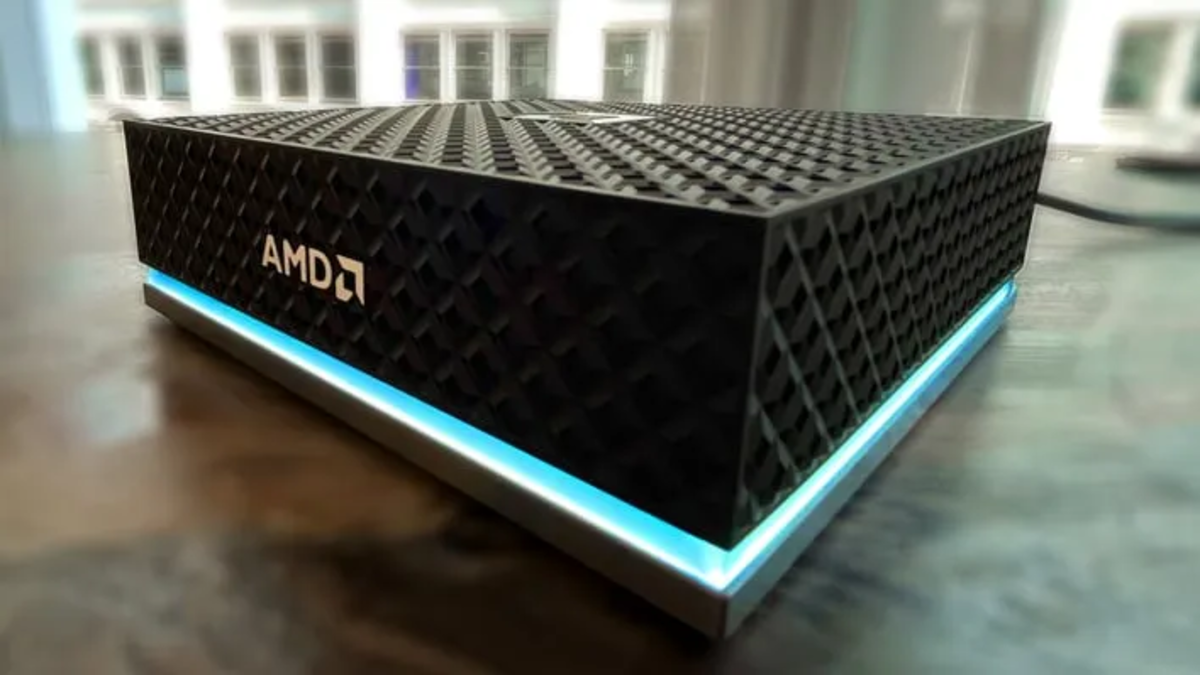
AMD Radeon drivers reveal hidden FSR multi-frame generation 8x settings
Configuration entries in recent AMD Adrenalin drivers suggest the company is developing 8x multi-frame generation technology for FSR. These settings remain inactive and appear to be specifically linked to future RDNA 4 hardware.

Hidden configuration entries discovered within the AMD Adrenalin 26.6.2 WHQL drivers suggest that AMD is developing a high-ratio Multi-Frame Generation (MFG) technology for its FidelityFX Super Resolution (FSR) suite. These settings, which include an FSR Multi-Frame Generation Ratio
and an FSR Multi-Frame Generation Override
, were uncovered via RadeonTuner, a third-party utility used to navigate driver parameters that are not exposed in the standard Adrenalin interface. The entries reveal support for frame generation ratios reaching up to 8x.
The discovery was first documented on the Chiphell forums. The settings indicate that AMD is evaluating configurations that allow the system to generate seven additional frames for every natively rendered frame. This capability surpasses the current 6x multi-frame generation mode found in NVIDIA’s DLSS 4.5 and the 4x generation supported by Intel’s XeSS 3. The hidden driver package also contains overrides for FSR Ray Regeneration Denoiser and FSR Neural Radiance Caching, potentially extending these features to games that do not currently provide official support.
Related media

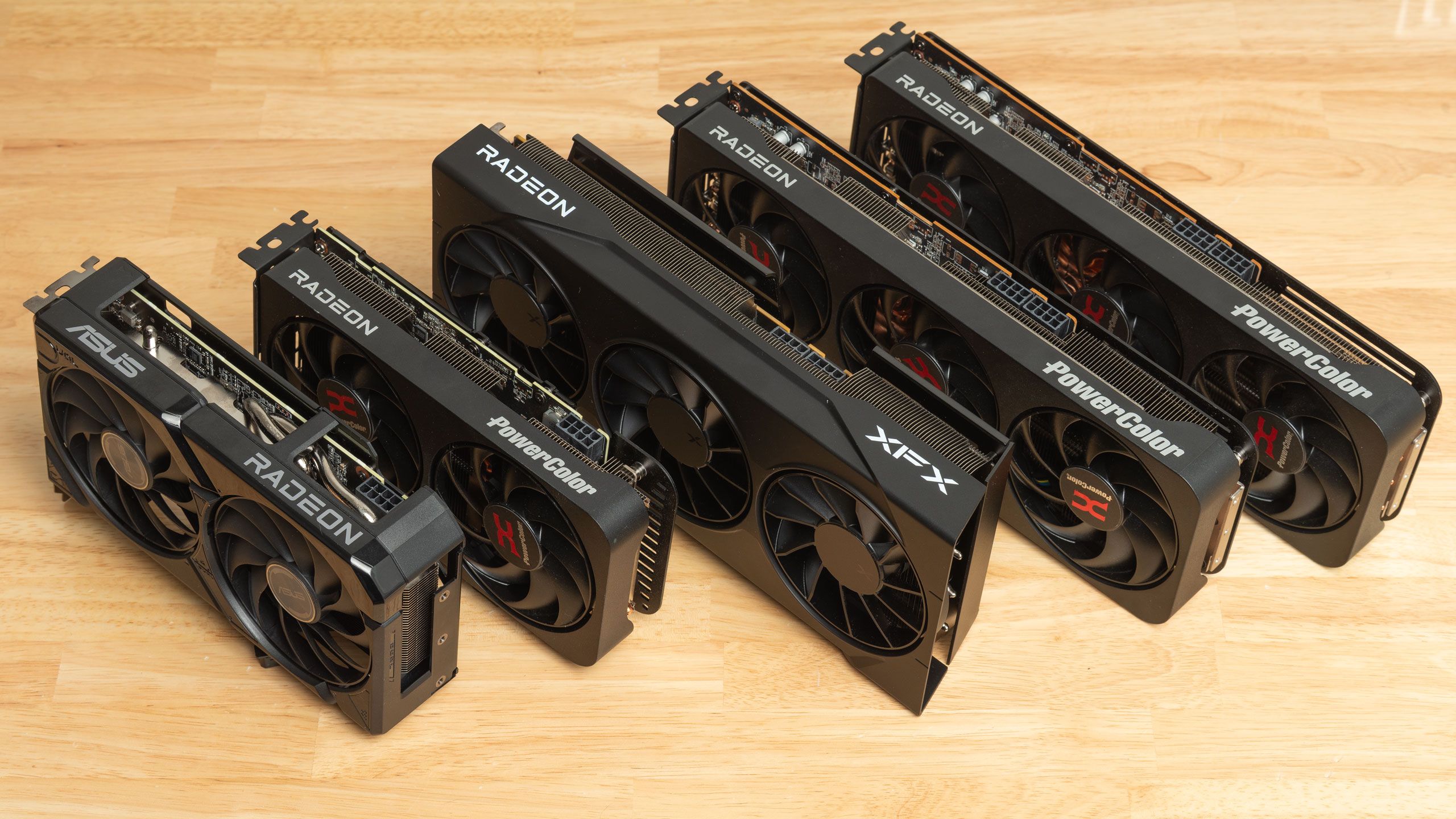
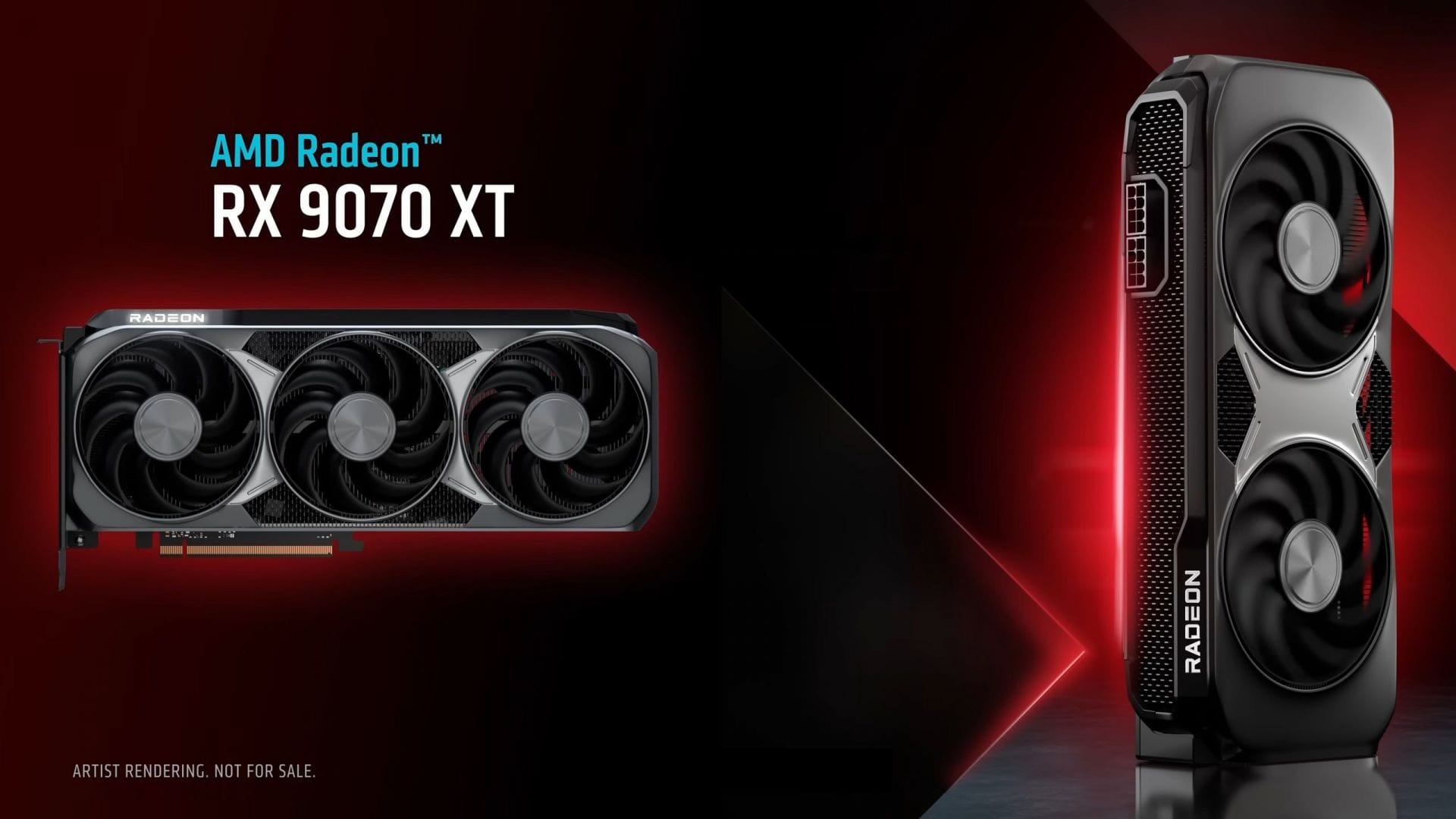
Despite the presence of these toggles, the features remain currently inactive. Manual attempts to enable the settings—conducted by users on hardware including the Radeon RX 9070 XT—across a variety of titles such as Death Stranding 2, Crimson Desert, Forza Horizon 6, Pragmata, and Resident Evil 9, have not resulted in functional frame generation. These results confirm that the required AI models and runtime components are absent from current public driver branches.
Development and Implementation Context
The developer of RadeonTuner noted on GitHub that AMD frequently bundles dormant code into its driver packages months before a formal release. These inclusions serve as placeholders for internal testing, meaning the final implementation may differ from the currently visible 8x ratio. The developer clarified that these settings are non-functional in the current build and are intentionally placed to allow third-party utility developers to prepare for upcoming features.
The emergence of these settings appears linked to specific hardware detection. According to observations from the Chiphell forum community, the MFG override options are only visible when an RDNA 4 architecture GPU is detected. This has led to speculation that the final deployment of 8x MFG may be restricted to the Radeon RX 9000 series and subsequent architectures. Because high-ratio frame interpolation places significant demands on presentation timing and display pipeline hardware, industry analysts suggest that AMD will likely need to refine its Anti-Lag technologies to mitigate potential latency artifacts before a public launch.
Industry Comparison
The following table outlines the current reported maximum multi-frame generation ratios across major industry providers:
| Provider | Reported Maximum MFG Ratio |
|---|---|
| AMD (Internal FSR Testing) | 8x |
| NVIDIA (DLSS 4.5) | 6x |
| Intel (XeSS 3) | 4x |
AMD previously included preliminary support for multi-frame generation in the ADLX FidelityFX SDK as part of the FSR Redstone update in April. Separately, Microsoft announced at the unveiling of the Project Helix console platform that its FSR Diamond
rendering suite would incorporate machine learning-based upscaling, ray regeneration, and multi-frame generation, representing a multi-year collaboration between AMD and Microsoft.
It remains unclear if the hidden driver entries are directly tied to the FSR Diamond project or if they represent a distinct implementation for Radeon desktop hardware. Whether the company proceeds with the 8x ratio or adjusts it to optimize stability and image quality remains a subject of ongoing development.
Archypedia is dedicated to independent, evidence-backed reporting. This briefing was synthesized from primary source reporting, corroborated across independent newsrooms, and verified against our Editorial Standards.
Transparency record
Evidence behind this report
This report synthesizes 9 distinct sources. Open the source ledger below to compare the underlying coverage.
- additionalknowledge.com
- guru3d.com
- wccftech.com
- tomshardware.com
- tech.sportskeeda.com
- pcguide.com
- tweaktown.com
- tech4gamers.com
- digitaltrends.com
Prepared under the Archypedia Editorial Policy by the Niko Vale editorial desk profile. AI-assisted tools may support drafting and verification; public accountability remains with Archypedia. Report an error.