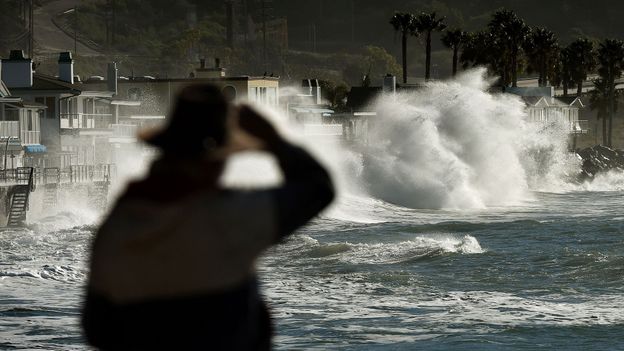
The rising threat of a ‘super’ El Niño—and what it means for North America’s weather
Climate models now show a 60% chance this year’s El Niño could reach “super” intensity, with global temperatures potentially breaking records and North America facing extreme droughts, floods, and wildfire risks. Here’s what the latest data reveals about its strength, timing, and regional impacts.
Satellite observations confirm the Pacific Ocean’s surface temperatures have surged past thresholds last seen in 1997-98 and 2015-16—the two strongest El Niño events on record. According to the National Oceanic and Atmospheric Administration (NOAA), sea surface temperatures in the Niño 3.4 region have climbed to 2.1°C above average—a level that typically signals a major event. But new projections from the European Centre for Medium-Range Weather Forecasts (ECMWF) and Japan Meteorological Agency (JMA) suggest this El Niño could intensify further, with some models predicting peak warming of 2.5°C or higher by late 2023.
If realized, that would place it among the top three strongest El Niño events ever recorded, with profound consequences for North America’s weather patterns. From California’s drought to the Great Lakes’ water levels and the Atlantic hurricane season, the effects could ripple across the continent for months.
What makes this El Niño different—and why are scientists concerned?
The current El Niño is unfolding against a backdrop of human-caused climate change, which has already warmed ocean surfaces by about 1°C globally. This means even a “moderate” El Niño today could produce impacts more severe than past events classified as “strong.”
Key differences from previous events:
- Faster warming: Pacific temperatures jumped from neutral to El Niño conditions in just three months—half the time of the 1997 event.
- Stronger atmospheric response: Trade winds have weakened more sharply than in 2015, suggesting a more robust feedback loop between ocean and atmosphere.
- Global baseline heat: The Atlantic Ocean’s record warmth this year could amplify hurricane activity, even as El Niño typically suppresses storms.
According to climate scientist Dr. Michelle L’Heureux of NOAA’s Climate Prediction Center, “We’re seeing signals in the data that suggest this could be a high-end event. The question isn’t whether it will be strong, but how strong—and how long it will persist.”
Historical comparisons show that El Niños reaching 2.0°C or higher in the Niño 3.4 region have historically triggered:
- Droughts in the southern U.S. and Mexico, with 30–50% below-average rainfall in some areas.
- Wetter conditions in the northern U.S. and Canada, increasing flood risks.
- A 50% reduction in Atlantic hurricane activity, but with storms potentially taking unusual tracks.
- Intensified wildfire seasons in the western U.S., as seen in 2015.
North America’s weather: What to expect region by region
El Niño’s impacts vary dramatically across North America. Below is a breakdown of what different regions can expect based on NOAA’s seasonal outlooks and historical patterns:
| Region | Likely Weather Patterns | Key Risks | Historical Precedent |
|---|---|---|---|
| Southwest U.S. (California, Arizona, Nevada) | Drier than average, with below-normal precipitation | Worsening drought conditions; higher wildfire risk | 2015-16 El Niño: 50% of California’s annual rainfall came in just three storms |
| Southern Plains (Texas, Oklahoma) | Warmer and drier, with increased heatwaves | Crop stress; elevated dust storm activity | 1997-98: Record-high temperatures in Texas, with power grid strains |
| Northern U.S. (Pacific Northwest, Great Lakes) | Wetter and cooler, with higher flood risks | River flooding; delayed spring in some areas | 2015-16: Record snowpack in the Cascades |
| Gulf Coast (Louisiana, Mississippi) | Warmer with increased humidity; mixed rainfall | Higher heat-related illnesses; potential for tropical moisture feeding storms | 1997-98: Unusually active severe weather season |
| Canada (Prairies, Ontario) | Milder winters, with reduced lake-effect snow | Lower heating demand; but potential for ice jams on rivers | 2015-16: Minimal winter disruption in Toronto |
One critical factor this year is the state of the Atlantic Ocean. While El Niño typically suppresses Atlantic hurricanes, the basin’s record warmth could offset that effect. The Colorado State University Tropical Meteorology Project recently revised its hurricane forecast upward, citing “unusually high ocean heat content” as a wild card. “Even with El Niño, we’re not out of the woods,” said lead researcher Dr. Phil Klotzbach.
Why this El Niño could break records—and what that means globally
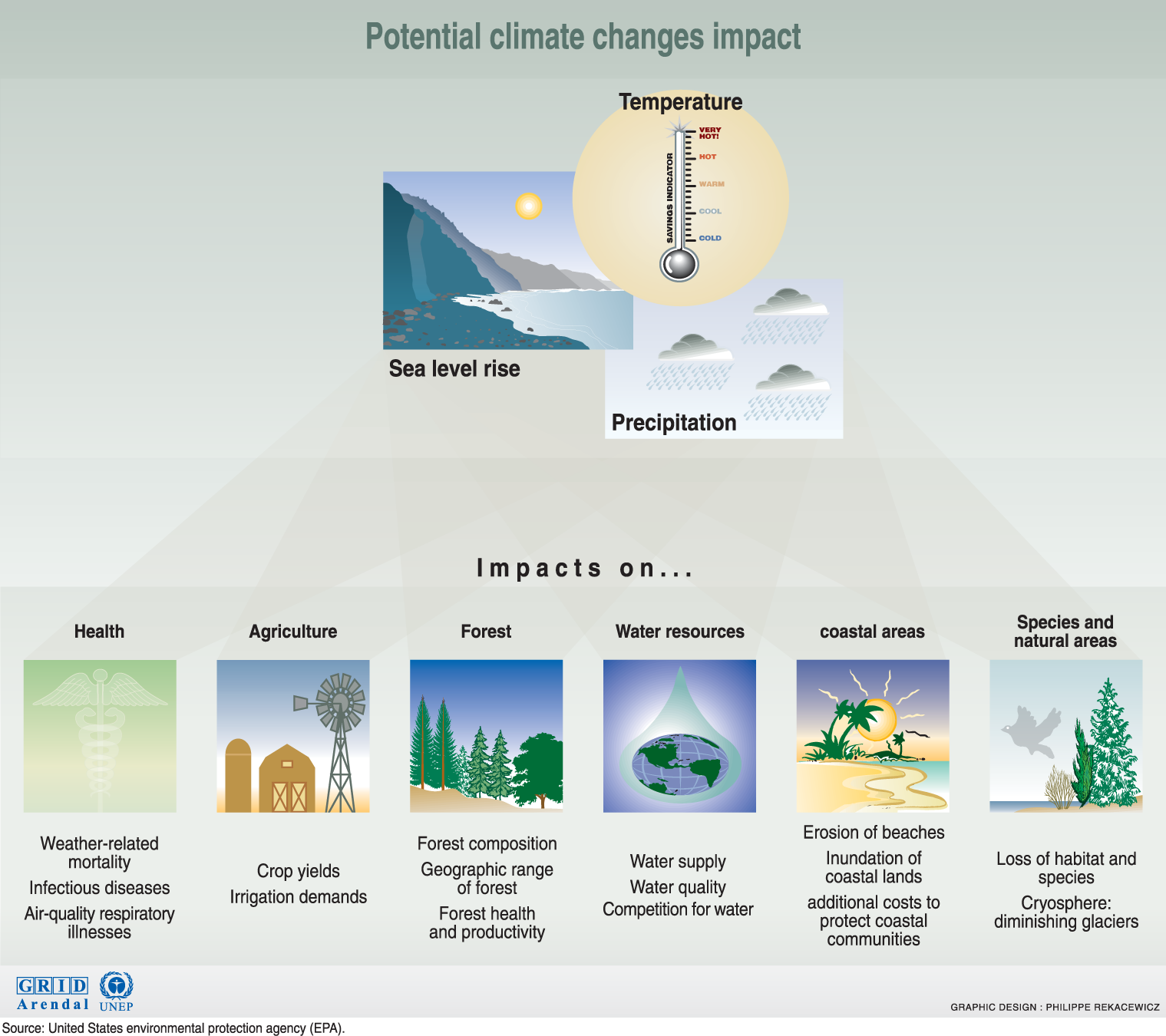
The World Meteorological Organization (WMO) has warned that 2023–24 could see the first year where global temperatures temporarily exceed the 1.5°C warming threshold set by the Paris Agreement. El Niño is expected to play a major role in this, amplifying heat already driven by greenhouse gases.
Key global impacts to watch:
- Global temperature spike: The WMO estimates a 66% chance that at least one year between 2023–2027 will surpass 1.5°C above pre-industrial levels.
- Corral reef die-offs: Warmer ocean temperatures could trigger mass bleaching events, similar to the 2016 global coral bleaching that killed 30% of the Great Barrier Reef.
- Food security risks: Droughts in Southeast Asia and South America could disrupt rice, wheat, and coffee production.
- Arctic sea ice decline: El Niño events have historically correlated with accelerated ice melt in the following year.
Dr. Friederike Otto, a climate scientist at Imperial College London, noted that “this El Niño is unfolding in a world that’s already 1.2°C warmer than pre-industrial times. The baseline is higher, so even a ‘moderate’ event could push us into uncharted territory.”
Historically, the strongest El Niño events have coincided with:
- 1982–83: Global temperatures rose by 0.2°C above the previous record.
- 1997–98: Indonesia experienced wildfires covering 9.7 million hectares; Peru’s fishing industry collapsed.
- 2015–16: Global CO₂ emissions stagnated despite economic growth, as droughts reduced land carbon uptake.
What’s next? Timing, intensity, and what experts are watching
Current forecasts suggest El Niño will peak between November 2023 and January 2024, with effects lingering into early 2025. However, there are still uncertainties:
- Duration: Some models predict a double-peak event, with warming surging in late 2023 and again in early 2024.
- Atlantic hurricane activity: If El Niño weakens later in the year, hurricane season could see a late resurgence.
- Pacific Marine Heatwaves: The “Blob” phenomenon—large areas of unusually warm water—could re-emerge, stressing marine ecosystems.
NOAA’s Climate Prediction Center will issue its next official update on August 9, 2023, which may refine the probability of a “super” El Niño. Meanwhile, researchers are monitoring:
- The Southern Oscillation Index (SOI), which measures atmospheric pressure differences across the Pacific.
- Subsurface ocean temperatures, where unusually warm water could fuel further atmospheric responses.
- Volcanic activity, as eruptions (like Hunga Tonga in 2022) can temporarily cool the climate and interact with El Niño.
For North Americans, the next few months will be critical. Water managers in the Southwest are already preparing for reduced reservoir releases, while farmers in the Midwest are assessing planting strategies. Meanwhile, emergency responders are reviewing wildfire and flood response plans.
Common misconceptions—and what the science actually says
Despite widespread coverage, several myths persist about El Niño. Here’s what the latest research clarifies:
Myth 1: “All El Niños are the same.”
Reality: El Niño events vary in strength, duration, and regional impacts. The 1982–83 and 1997–98 events had different atmospheric responses, leading to distinct global weather patterns. This year’s event may resemble 1997 more closely due to similar Pacific wind patterns, but the warmer baseline could amplify effects.
Myth 2: “El Niño always means drought in California.”
Reality: While strong El Niños often bring rain to California, only about 50% of them result in significant drought relief. The 2015–16 event delivered 50% of the state’s annual rainfall in just three storms, but much of it ran off quickly without recharging groundwater. Experts warn that California’s infrastructure—limited reservoirs and aging aqueducts—may struggle to capture the water even if it arrives.
Myth 3: “El Niño is just a natural cycle—climate change doesn’t affect it.”
Reality: While El Niño is a natural phenomenon, climate change is amplifying its impacts. A 2021 study in Nature Reviews Earth & Environment found that human-caused warming increases the likelihood of extreme El Niño events by 30%. Warmer oceans also mean more moisture in the atmosphere, leading to heavier rainfall when El Niño does bring storms.
What you need to know now—and how to prepare
For individuals and communities, the key steps depend on where you live:
- Southwest residents: Check local water restrictions and drought preparedness plans. The U.S. Drought Monitor updates weekly—monitor conditions closely.
- Northern U.S. and Canada: Prepare for potential flooding. Review FEMA’s flood preparedness guidelines and secure outdoor items that could become projectiles in high winds.
- Coastal areas: Even if hurricane activity is suppressed, El Niño can shift storm tracks. Review your evacuation plan and ensure insurance covers flood damage.
- Farmers and ranchers: NOAA’s Climate Prediction Center offers region-specific outlooks. Adjust planting schedules or livestock management accordingly.
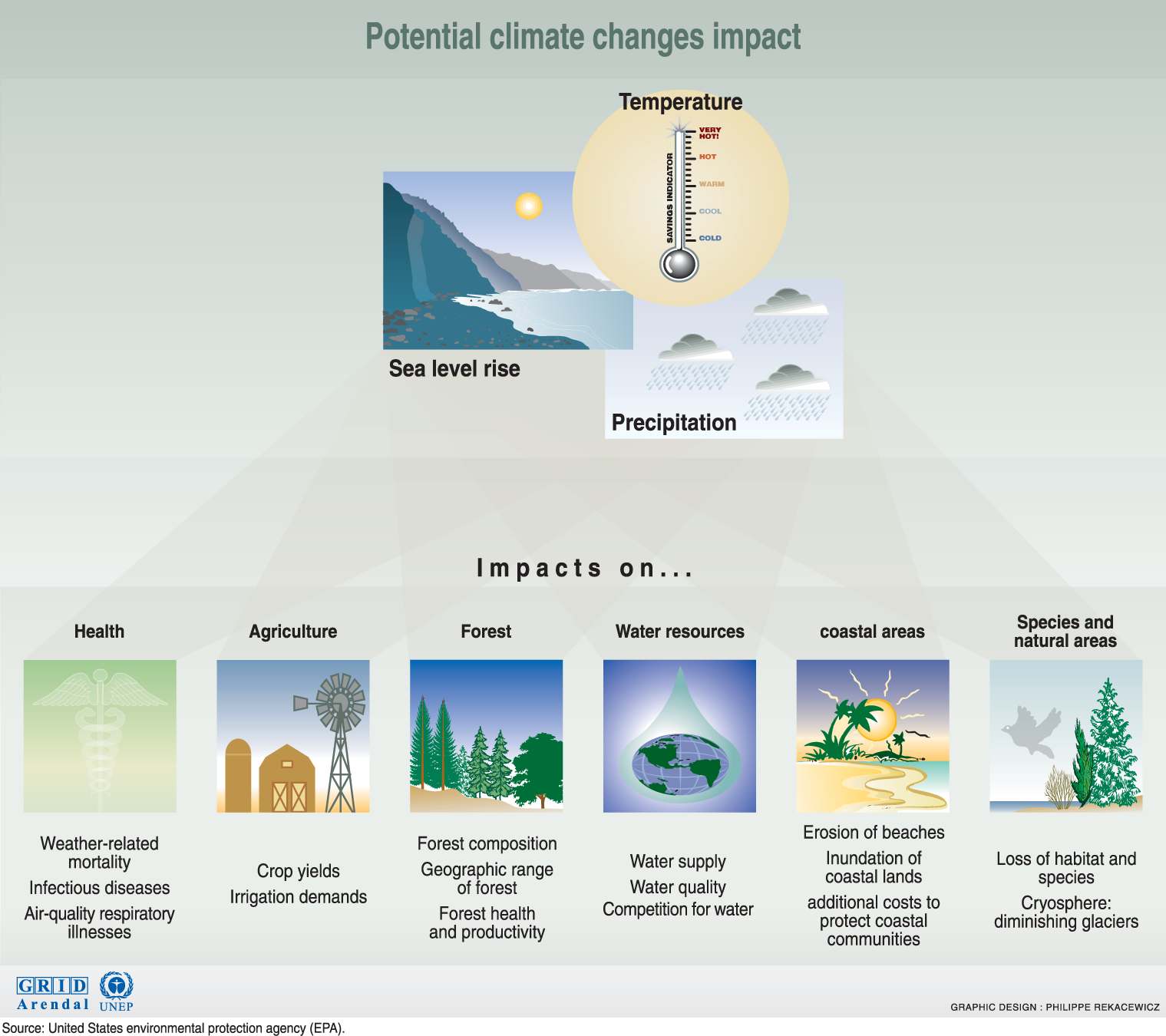
On a global scale, this El Niño underscores the urgent need for climate adaptation. The Intergovernmental Panel on Climate Change (IPCC) has warned that without significant emissions reductions, such events will become more frequent and intense. “We’re not just dealing with a weather phenomenon,” said Dr. Johan Rockström, director of the Potsdam Institute for Climate Impact Research. “This is a stress test for our climate resilience.”
Key questions—and answers—about this year’s El Niño
Q: How likely is a “super” El Niño this year?
A: Climate models currently show a 60% chance of El Niño reaching “super” intensity (defined as 2.0°C or higher above average in the Niño 3.4 region), according to the ECMWF and JMA. NOAA’s forecast puts the probability at 55% as of July 2023.
Q: Could this El Niño break global temperature records?
A: Yes. The WMO estimates a 98% chance that at least one of the next five years will be the warmest on record, with El Niño playing a major role. The combination of El Niño and human-caused warming could push global temperatures 1.5°C above pre-industrial levels for the first time.
Q: Will El Niño affect the Atlantic hurricane season?
A: Typically, yes—El Niño increases wind shear in the Atlantic, suppressing hurricane formation. However, the Atlantic’s record warmth this year could offset this effect. Current forecasts predict a near-normal season, but with 12–17 named storms, up from earlier predictions.
Q: How long will the effects last?
A: El Niño’s peak effects usually occur between November and January, but impacts can linger into early 2025. The ocean’s “memory” of warming can extend weather anomalies for months after the event officially ends.
Q: What should businesses do to prepare?
A: Supply chains should monitor drought risks in the Southwest and flood risks in the North. Agriculture sectors should adjust planting schedules, while energy providers may need to prepare for higher cooling demand in the southern U.S. and lower heating demand in the North.
Q: Is this El Niño connected to climate change?
A: While El Niño is a natural cycle, climate change is amplifying its impacts. Warmer oceans provide more energy for storms, and higher baseline temperatures mean even “moderate” El Niños can push global records. A 2020 study in Nature found that human influence has doubled the risk of extreme El Niño events.
