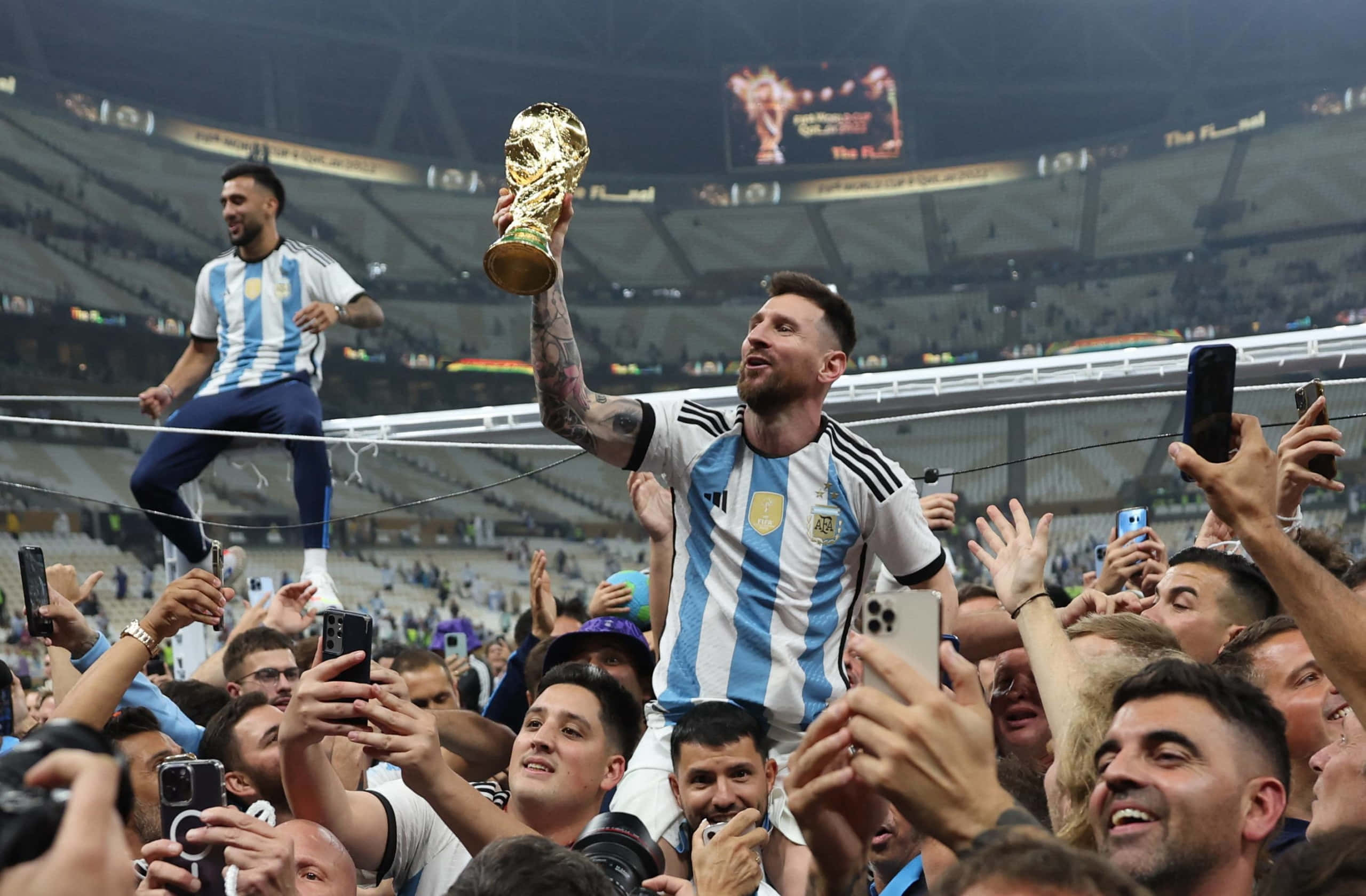
World Cup Daily: Messi’s 100-Year-Old Super Fan Witnesses History as Portugal and England Take the Stage
The FIFA World Cup has once again proven its power to unite fans across generations, with a 100-year-old supporter of Lionel Messi capturing global attention as the Argentine star continues to etch his name into football history. Meanwhile, Portugal and England delivered high-stakes performances in their respective matches, adding to the tournament’s dramatic narrative. This day’s events highlighted the universal appeal of the sport and the enduring connection between players and their admirers, regardless of age or background.
The 100-Year-Old Fan: A Lifelong Devotion to Messi
A 100-year-old woman, whose identity has not been disclosed, became an unexpected focal point of the World Cup after attending a match featuring Lionel Messi. Her presence underscored the deep emotional and cultural resonance of the sport, as fans of all ages gather to witness the career of one of football’s greatest ever players. According to reports, the woman, who has followed Messi’s career since his early days at FC Barcelona, described the experience as “a dream come true.” Her story has sparked conversations about the generational span of football fandom and the ways in which iconic players can transcend time and age to connect with fans.
While specific details about her background remain limited, her story reflects a broader trend of lifelong devotion to football. Messi, who has spent over two decades at the pinnacle of the sport, has cultivated a fanbase that includes individuals from every stage of life. This particular fan’s journey highlights how football can serve as a shared language, bridging gaps between generations and fostering a sense of community that transcends individual experiences.
“Football is more than a game; it’s a part of our lives,” the fan said in a brief interview, emphasizing the emotional weight of witnessing Messi play live. “Seeing him on the field, I feel like I’m part of something bigger than myself.”
Messi’s Global Influence: A Unifying Force
Messi’s impact extends far beyond his on-field achievements. His career has become a symbol of perseverance, skill, and dedication, inspiring fans worldwide. The 100-year-old spectator’s presence at a World Cup match exemplifies the way his legacy has become intertwined with the cultural fabric of football. From children to seniors, fans across the globe have found a shared passion in his journey, creating a sense of unity that transcends geographical and generational divides.
Experts note that Messi’s ability to maintain relevance across decades is a testament to his adaptability and the evolution of football itself. “What makes Messi unique is his ability to remain at the top while continually evolving as a player,” said Dr. Elena Martinez, a sports sociologist at the University of Barcelona. “His influence isn’t just about individual brilliance; it’s about how he has shaped the way the game is played and perceived globally.”
This year’s World Cup has further amplified Messi’s legacy, as he continues to perform at an elite level despite his age. His performances have been a focal point for fans, with many highlighting his role as both a player and a cultural icon. The 100-year-old fan’s story adds a human element to this narrative, illustrating the personal connections that football can foster.
Portugal and England: High-Stakes Encounters
While Messi’s presence dominated headlines, the World Cup also delivered intense action from other teams. Portugal, led by Cristiano Ronaldo, faced a challenging match against England, with both sides vying for a crucial victory. The game showcased the tactical depth and physicality that define modern football, as well as the high stakes of tournament play.
Portugal’s strategy focused on leveraging Ronaldo’s experience and set-piece expertise, while England relied on a blend of youth and defensive solidity. The match ended in a hard-fought draw, with both teams earning valuable points in their quest for advancement. Fans on both sides expressed mixed reactions, with some praising the teams’ resilience and others calling for more aggressive tactics in future encounters.
The encounter also highlighted the broader significance of the World Cup as a stage for national pride. For Portugal, the match was an opportunity to assert its status as a footballing powerhouse, while England sought to reaffirm its position among the sport’s elite. The result underscored the unpredictable nature of the tournament, where even the most anticipated matchups can yield unexpected outcomes.
“The World Cup is a test of not just talent, but also mental strength,” said former English midfielder Gary Lineker in a post-match analysis. “Both teams showed grit, but there’s still a lot to play for in the coming games.”
The Broader Impact of Messi’s Legacy
Messi’s influence on the World Cup extends beyond individual moments of brilliance. His career has redefined what it means to be a footballer, inspiring a new generation of players and fans alike. The 100-year-old fan’s story is just one example of how his journey has resonated across different stages of life, proving that football’s impact is not limited to the present moment but can span decades.
Analysts have noted that Messi’s ability to remain a central figure in the sport is a rare achievement. “Few players have the longevity and consistency to maintain their status over such a long period,” said sports journalist Carlos Ferreira. “Messi’s presence in the World Cup is a reminder of how he has shaped the modern era of football, both in terms of performance and cultural significance.”
Moreover, Messi’s global appeal has helped to elevate the profile of the World Cup itself. His participation draws attention from fans who might otherwise be less engaged with international tournaments, creating a broader audience for the sport. This dynamic has been particularly evident in regions where football is deeply embedded in cultural identity, with fans rallying around the opportunity to see Messi in action.
What’s Next for the World Cup?
As the tournament progresses, the focus will shift to the next set of matches, with teams vying for a place in the knockout stages. For Portugal and England, the challenge will be to build on
