
Dutch residential architecture, designed primarily to retain heat during winter, is increasingly hindering home cooling during summer heatwaves, according to local media reports. Experts recommend avoiding daytime ventilation and relying on strategic cooling gadgets rather than air conditioning to maintain indoor temperatures efficiently.
Why Modern Building Design Traps Summer Heat
Houses in the Netherlands are engineered for thermal retention to reduce energy costs during cold months. While effective for winter, this design becomes a liability when outdoor temperatures rise, according to reports from EenVandaag. The materials and insulation used to keep heat inside prevent the home from shedding warmth naturally once the interior temperature exceeds the exterior.
How to Manage Ventilation During Heatwaves
Ventilating a home during the peak of the day is counterproductive when outdoor temperatures hit 30 degrees Celsius, according to AD.nl. Opening windows and doors during the day allows hot air to enter and settle within the living space, effectively heating the interior further.
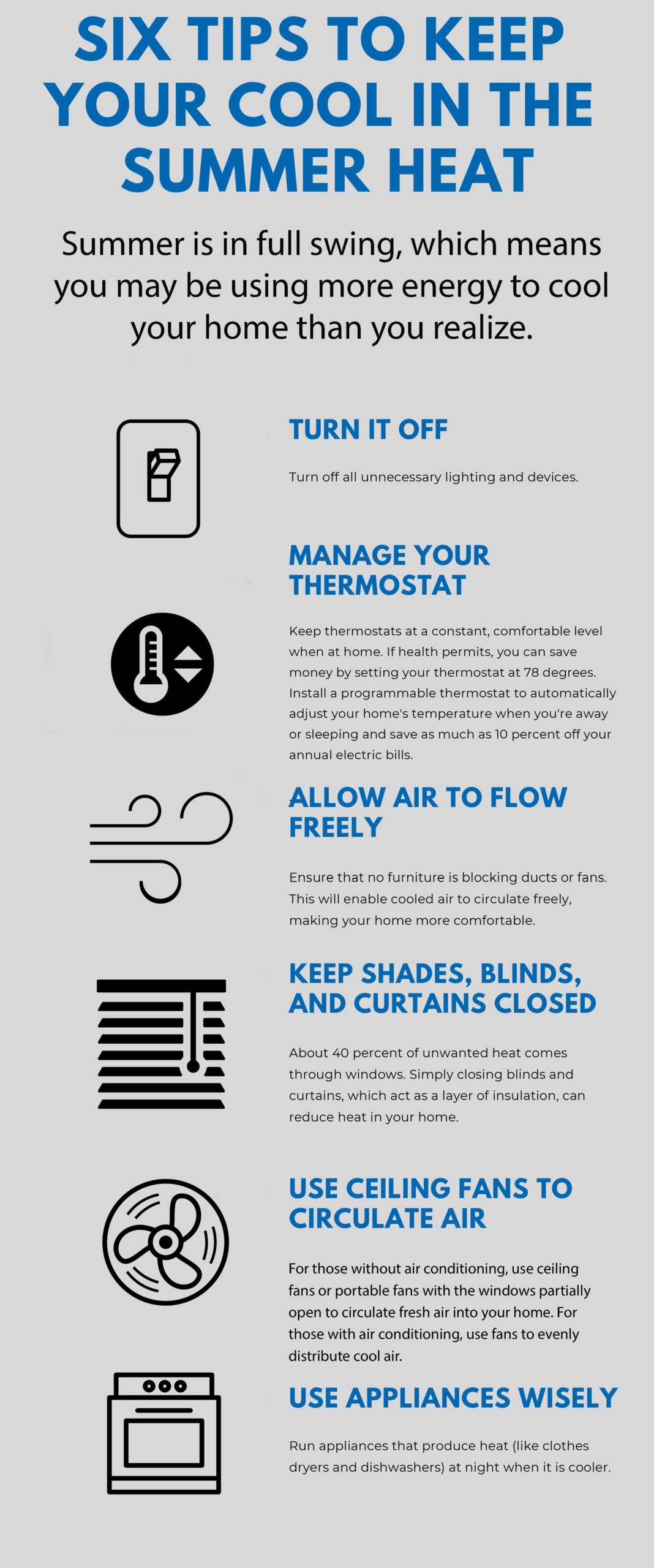
The recommended technical approach is to keep windows and shutters closed during the day to block solar gain and open them only when the outside air is cooler than the inside air, typically late at night or early in the morning.
Cooling Gadgets vs. Air Conditioning
There is a divergence in cooling strategies between traditional efficiency and high-power climate control. Local media reports from HLN highlight the use of contemporary, affordable gadgets designed to keep both the home and the individual cool without high energy costs.
However, some experts advise against the installation of air conditioning. According to reports from Nieuwsblad, lessons from southern regions suggest that residents should “stay away from airco” to avoid reliance on energy-intensive systems that can create an unhealthy temperature shock between indoor and outdoor environments.
Sustainable Heat Prevention Strategies
A sustainability coach cited by L1 Nieuws emphasizes a two-pronged approach: preventing heat from entering the home and actively removing it once it is trapped. This includes the use of external shading and strategic airflow management.
- Prevention: Using shutters or blinds on the outside of the glass to stop solar radiation from entering.
- Removal: Utilizing cross-ventilation during nighttime hours to flush out stored heat.
- Personal Cooling: Deploying low-energy gadgets to lower body temperature rather than attempting to cool the entire building volume.
