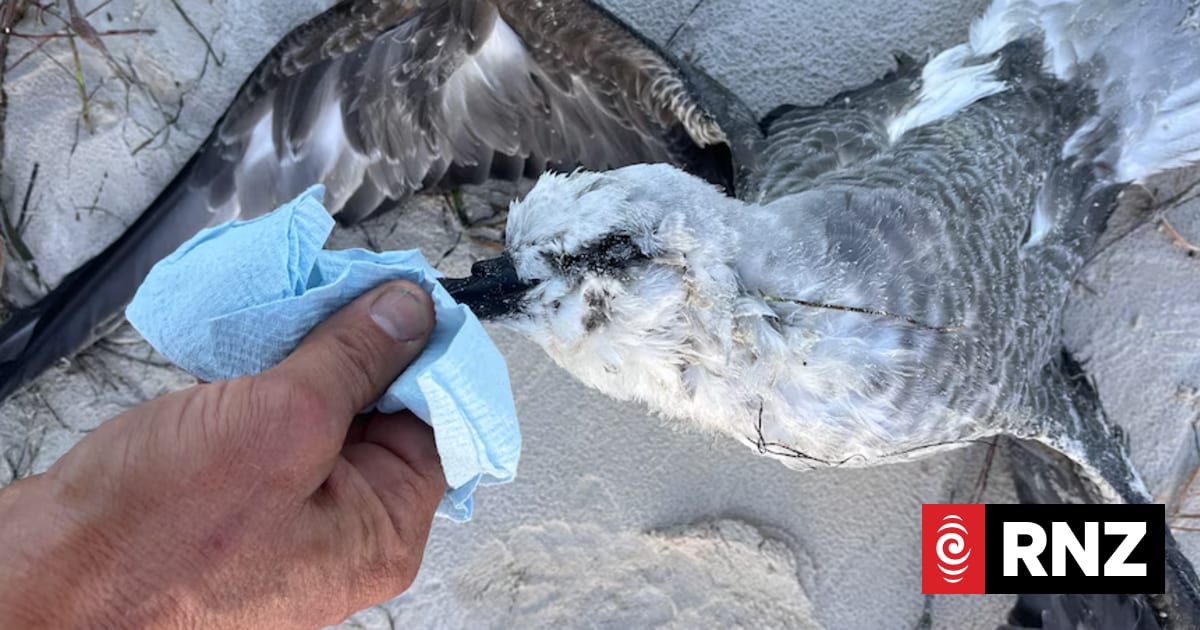
Dead Birds Tested for H5N1 Bird Flu After Washing Up on Remote South Australian Coast
Authorities in South Australia have initiated tests on a group of dead seabirds that washed up on a remote coastline, following concerns over the potential spread of the H5N1 avian influenza virus. The birds, identified as brown skuas and giant petrels, were found in an area where such species rarely come ashore, raising alarm among conservationists and public health officials. The testing follows reports of H5N1 outbreaks in other regions, including recent detections in Australia, and underscores the ongoing global challenge of managing the virus’s impact on wildlife and agriculture.
The South Australian Department of Primary Industries and Regions (DPIR) confirmed the birds were collected for analysis, with results expected within the next week. Officials emphasized that while the presence of dead birds does not automatically indicate an active outbreak, the virus’s recent spread across continents necessitates careful monitoring. “This is a precautionary measure to ensure early detection and prevent potential risks to both wildlife and livestock,” a DPIR spokesperson said.
What Happened and Where?
The incident occurred along the remote Eyre Peninsula, a sparsely populated region known for its rugged coastlines and biodiversity. Local rangers first noticed the birds in early April, with the majority found near a stretch of beach inaccessible to the general public. The species involved—brown skuas and giant petrels—are typically pelagic, spending most of their lives at sea. Their unexpected landfall prompted immediate action from conservation agencies, who collected samples for testing.
South Australia is not the first region in Australia to face avian flu concerns. In March, the Australian Department of Agriculture, Water and the Environment confirmed the first case of H5N1 in a domestic poultry flock in New South Wales. The virus, which has been detected on every continent, has caused widespread mortality among wild birds and prompted culling measures in several countries. The recent findings in South Australia have added to the urgency of the situation, as the virus continues to evolve and cross geographic boundaries.
“The movement of migratory birds plays a significant role in the spread of H5N1,” said Dr. Emily Carter, a wildlife epidemiologist at the University of Adelaide. “While these species are not typically associated with human contact, their presence on land could indicate broader ecological changes that warrant investigation.”
Who Is Involved and What Are the Implications?
The response to the bird deaths involves multiple stakeholders, including government agencies, the agricultural sector, and conservation groups. The DPIR is working closely with the Australian Poultry Industry Council to assess the risk to commercial poultry farms, which are particularly vulnerable to avian flu outbreaks. Biosecurity protocols have been reinforced in the region, with increased surveillance of both wild and domestic bird populations.
The involvement of conservationists highlights the broader implications of the virus for ecosystems. H5N1 has been linked to die-offs of seabirds in various parts of the world, with some species facing population declines. In South Australia, the brown skuas and giant petrels are considered key indicators of oceanic health, and their sudden deaths could signal disruptions in food chains or environmental stressors.
The poultry industry, which contributes significantly to the state’s economy, is also monitoring the situation closely. While no direct link between the dead birds and commercial flocks has been established, the industry has called for heightened vigilance. “Even a single case of H5N1 in a poultry operation can lead to massive losses,” said Mark Thompson, a representative of the South Australian Farmers’ Federation. “We’re cooperating fully with authorities to ensure our operations remain safe and compliant with biosecurity standards.”
Why This Matters: A Global Perspective
The discovery of dead birds in South Australia comes amid a broader global surge in H5N1 cases. The virus, which first emerged in Asia in the late 1990s, has since spread to Europe, Africa, and the Americas. In 2023, the World Health Organization (WHO) reported a sharp increase in outbreaks, with over 200 million poultry birds culled worldwide. The virus’s ability to infect a wide range of bird species, including waterfowl and raptors, has made containment efforts particularly challenging.

Health officials have also expressed concern about the virus’s potential to infect humans. While H5N1 is primarily a bird-to-bird transmission disease, rare cases of human infection have been documented, often resulting in severe respiratory illness. The WHO has emphasized the importance of monitoring spillover events, particularly in regions where humans and birds interact closely.
“The risk to humans remains low, but it’s not negligible,” said Dr. Amina Rashid, a virologist at the Australian National University. “The key is to prevent the virus from becoming established in local bird populations, which could increase the chances of human exposure.”
Reactions and Expert Analysis
Conservation groups have welcomed the testing but urged caution. The South Australian Conservation Council released a statement calling for “transparent communication and proactive measures to protect both wildlife and communities.” The group highlighted the need for long-term strategies to address the ecological and economic impacts of avian flu, including habitat preservation and public education campaigns.
Meanwhile, the public has shown mixed reactions. Some residents in the Eyre Peninsula have expressed concern about the health of local ecosystems, while others have questioned the necessity of the testing. “It’s important to be vigilant, but we also need to avoid unnecessary panic,” said local resident Sarah Mitchell. “We rely on the environment for tourism and fishing, so we want to ensure any actions taken are based on solid evidence.”
Experts have also pointed to the role of climate change in the virus’s spread. Warmer temperatures and shifting weather patterns can alter bird migration routes and increase the likelihood of disease transmission. “This isn’t just a local issue—it’s part of a larger pattern of environmental changes that are reshaping wildlife dynamics,” said Dr. James Lee, an ecologist at the University of Melbourne. “Addressing it requires a coordinated approach
