
Sunscreen’s role in tanning and skin protection has sparked debate, with experts clarifying that while it does not entirely prevent tanning, its primary function is to reduce UV damage. A statement from a dermatology researcher emphasized that tanning occurs due to melanin production triggered by UV exposure, and sunscreen mitigates this process by blocking rays, though not all of them. “It’s a question of physics,” the researcher said, noting that higher SPF products offer greater protection but do not eliminate the risk of skin damage.
What the Research Shows
Studies highlight that sunscreen reduces the penetration of ultraviolet radiation, which is linked to skin cancer and premature aging. However, the effectiveness varies based on factors like application frequency, product formulation, and individual skin type. Public health agencies advise using broad-spectrum sunscreen with an SPF of at least 30, reapplied every two hours, especially during peak sun hours. Despite these guidelines, misinformation on platforms like TikTok has led to confusion about sunscreen’s role in tanning, with some content suggesting it “prevents” tanning entirely.
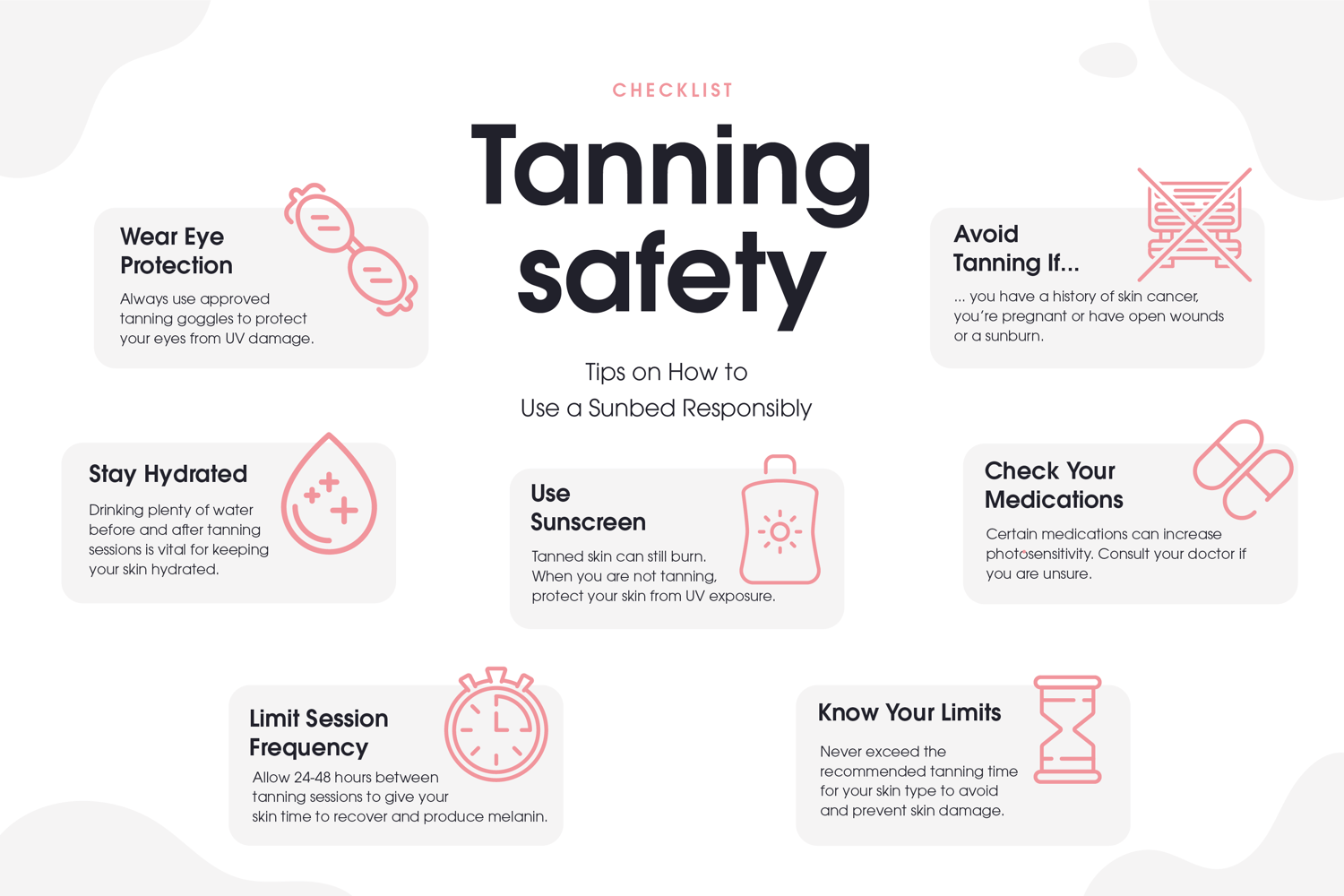
Health officials caution against relying on sunscreen as the sole method of sun protection. “Sunscreen is a tool, not a guarantee,” said a representative from a national cancer institute. “Combining it with protective clothing, hats, and shade is critical for reducing long-term risks.”
Balancing Protection and Tanning
Consumers seeking a tan often face conflicting advice. Some sources suggest using lower SPF products or limiting sunscreen use to achieve a “safe” tan, but experts warn this approach increases exposure to harmful UV rays. “The idea that a tan is a sign of health is outdated,” said a clinical dermatologist. “Tanning is a response to DNA damage, not a beneficial process.”
Alternative methods, such as self-tanning products and UV-free tanning lamps, are marketed as safer options. However, these also carry risks, including potential allergic reactions or uneven pigmentation. Researchers emphasize that no tanning method is entirely risk-free, and the best strategy remains minimizing UV exposure.
Public health campaigns continue to stress the importance of sun safety, particularly during summer months. A recent survey found that 60% of respondents reported using sunscreen regularly, but only 30% applied it correctly. Education on proper application and the limitations of sunscreen remains a priority for health organizations.
