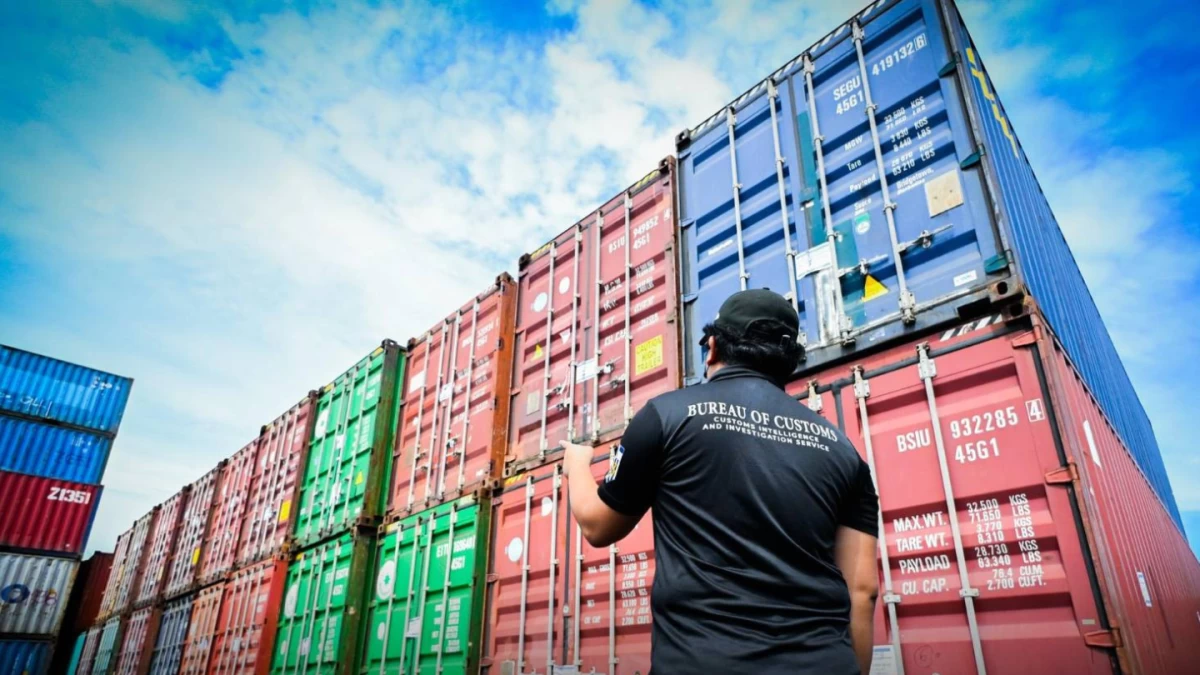
Massive 23-Container Smuggled Cigarette Shipment Seized in Manila: BOC Cracks Down on Illicit Tobacco
Philippine authorities intercepted a massive shipment of illicit tobacco in Manila, with reports from the Manila Bulletin detailing a 23-container smuggled cigarette shipment seized in Manila. This operation is part of a broader crackdown by the Bureau of Customs (BOC) to curb the influx of untaxed cigarettes entering the country through major ports.
How many containers were seized in the Manila operation?
The exact scale of the seizure varies slightly across official reports, highlighting the massive volume of the haul. The Manila Bulletin reported a 23-container smuggled cigarette shipment seized in Manila. However, the Philippine News Agency (PNA) cited the seizure of 22 containers of illicit cigarettes at the North Harbor. This discrepancy of one container does not diminish the scale of the operation, as both sources confirm a multi-container intercept at one of the city’s primary maritime gateways.
The operation focused on the North Harbor, a critical entry point for goods entering the capital. By targeting this hub, the BOC aimed to disrupt the logistics chain used by smuggling syndicates to move high-volume illicit goods into the local market. The seizure indicates a coordinated effort to monitor high-risk shipments that bypass standard customs declarations.
What is the estimated value of the smuggled cigarettes?
The financial impact of these illicit shipments is staggering. According to ABS-CBN, authorities seized smuggled cigarettes in Manila with an estimated value of P1.7 billion. This figure underscores the potential revenue loss to the Philippine government in the form of unpaid excise taxes and import duties.
To put this in perspective, the Manila seizure is part of a wider trend of high-value intercepts across the archipelago. In a separate but related operation, Inquirer.net reported that the Bureau of Customs seized over P1.17 billion in suspected smuggled cigarettes at the Cebu port. When combined, these two operations alone represent nearly P3 billion in illicit goods intercepted by the state.
| Location of Seizure | Reported Value | Primary Source | Scale of Shipment |
|---|---|---|---|
| Manila (North Harbor) | P1.7 Billion | ABS-CBN | 22-23 Containers |
| Cebu Port | P1.17 Billion | Inquirer.net | Not Specified |
Why is the North Harbor a target for cigarette smuggling?
The North Harbor in Manila serves as one of the busiest ports in the Philippines. Its high volume of daily traffic provides a natural cover for smugglers who attempt to hide illicit goods among legitimate shipments. Smuggling syndicates often use “misdeclaration,” where they list the contents of a container as low-value goods or entirely different products to avoid scrutiny and taxes.
By seizing 22 to 23 containers in a single operation, the BOC has signaled a shift toward larger-scale interceptions. Rather than stopping individual small-scale shipments, authorities are targeting the “mother” shipments—large volumes intended for distribution to various warehouses across Luzon. This strategy hits the syndicates’ profit margins harder by removing their primary inventory before it can be broken down into smaller, harder-to-track batches.
For a more detailed look at customs protocols, see this related explainer on Philippine import regulations.
Is the Philippines succeeding in curbing illicit tobacco?
Despite the continued occurrence of massive seizures, some industry players believe the Philippines is making significant strides. According to BusinessWorld Online, JTI (Japan Tobacco International) has identified the Philippines as a top performer in curbing illicit tobacco. This assessment suggests that while smuggling persists, the government’s increased detection rate is a sign of a more effective enforcement regime.

The contrast between the high value of seizures (like the P1.7 billion Manila haul) and JTI’s “top performer” label reveals a complex reality: the more the government seizes, the more it proves that the enforcement mechanisms are working. A lack of seizures would not necessarily mean a lack of smuggling; it would instead indicate a failure in detection.
- Increased Detection: High-value seizures indicate better intelligence and scanning capabilities.
- Industry Cooperation: Partnerships between the BOC and tobacco companies help identify counterfeit packaging.
- Policy Impact: Higher excise taxes often drive the incentive for smuggling, making enforcement a constant battle.
What are the broader implications of tobacco smuggling?
The impact of the 23-container smuggled cigarette shipment seized in Manila – Manila Bulletin report extends beyond simple tax evasion. Illicit tobacco creates a ripple effect across the economy and public health sectors.
Economic Revenue Loss
Cigarettes are subject to some of the highest excise taxes in the Philippines. When billions of pesos worth of products enter the country illegally, the government loses critical funding intended for the Universal Health Care (UHC) program and other social services. The P1.7 billion value reported by ABS-CBN represents not just the cost of the goods, but the massive gap in potential tax collection.
Public Health Risks
Smuggled cigarettes bypass all regulatory checks. Unlike legal products, illicit tobacco is not tested for prohibited additives or dangerous levels of chemicals. Because these products are sold at a lower price point, they are more accessible to minors and low-income populations, undermining national efforts to reduce smoking rates.
Market Distortion
Legitimate tobacco companies, which pay taxes and follow labor laws, cannot compete with the artificially low prices of smuggled goods. This creates an uneven playing field where law-abiding businesses are penalized while criminal syndicates profit.
How does the BOC handle seized illicit goods?
Once a shipment is flagged and seized, it undergoes a strict legal process. The BOC first verifies the contents and determines the lack of proper documentation. The goods are then placed under “custodial” status. If the owners cannot prove the legality of the shipment or pay the required duties and penalties, the goods are declared forfeited in favor of the government.
For illicit tobacco, the final step is typically destruction. The BOC, often in coordination with other agencies, ensures that the cigarettes are destroyed to prevent them from leaking back into the market through corruption or theft from warehouses. This ensures that the P1.7 billion in goods reported in Manila does not simply find a new, illicit way to reach consumers.
“The seizure of these shipments is a clear message to smugglers that the government is intensifying its watch over our ports to protect national revenue.”
Common misconceptions about cigarette smuggling
Many believe that smuggling is limited to small boats landing on remote beaches. However, the Manila and Cebu seizures prove that the primary channel for illicit tobacco is through official, large-scale commercial ports. The use of 23 containers shows that smugglers are utilizing professional shipping logistics, not just clandestine operations.
Another misconception is that smuggled cigarettes are simply “tax-free” versions of legal brands. In reality, many of these shipments consist of “counterfeit” products—fakes designed to look like premium brands but manufactured in unregulated facilities with inferior materials.
To understand the legal distinctions between these categories, you may find this guide to counterfeit vs. smuggled goods useful.
What to expect in the fight against illicit trade
The trend of multi-billion peso seizures suggests that the BOC is leveraging better data and intelligence. The focus is likely to shift toward “predictive profiling,” where customs officers use AI and historical data to flag shipments from specific origins or shippers before they even arrive at the North Harbor.
Furthermore, the coordination between the BOC and international partners will be critical. Since these containers originate from overseas, tracking the supply chain back to the source is the only way to stop the flow of illicit tobacco permanently. The continued reporting of these seizures serves as both a warning to syndicates and a performance metric for the administration.
Quick Summary of Recent Major Seizures
- Manila: 22-23 containers, valued at P1.7 billion.
- Cebu: Over P1.17 billion in suspected smuggled tobacco.
- Trend: Shift toward high-volume, port-based interceptions.
- Industry View: Philippines recognized as a top performer in curbing illicit trade by JTI.
Frequently Asked Questions
How much was the smuggled cigarette shipment in Manila worth?
According to reports from ABS-CBN, the smuggled cigarettes seized in Manila were valued at approximately P1.7 billion.

How many containers were involved in the Manila seizure?
The Manila Bulletin reported a 23-container shipment, while the Philippine News Agency mentioned 22 containers seized at the North Harbor.
Where were the cigarettes seized?
The primary operation took place at the North Harbor in Manila, though another significant seizure of P1.17 billion occurred at the Cebu port, as reported by Inquirer.net.
What happens to the cigarettes after they are seized?
After a legal process of forfeiture, the Bureau of Customs typically destroys the illicit tobacco to ensure it does not return to the market.
Why is the Philippines considered a “top performer” in stopping this trade?
BusinessWorld Online reported that JTI views the Philippines as a top performer because the government has shown a high capacity for detecting and seizing massive shipments, effectively disrupting illicit supply chains.
The ongoing battle against illicit tobacco requires a combination of strict port security, international cooperation, and a commitment to protecting the national treasury. As the BOC continues to target high-volume shipments at the North Harbor and beyond, the financial and health risks associated with smuggled cigarettes may begin to decline.
