Sri Lanka deploys military to combat dengue outbreak as cases surge past 200,000
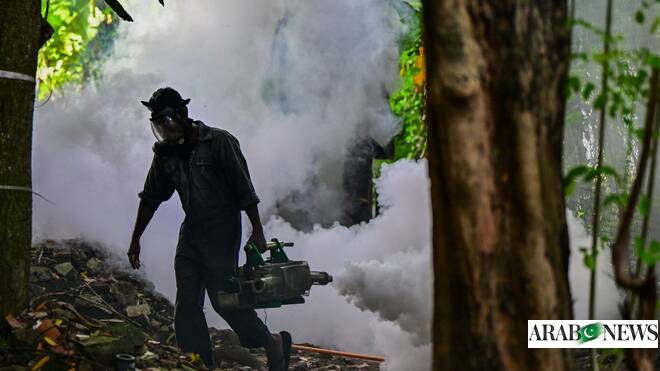
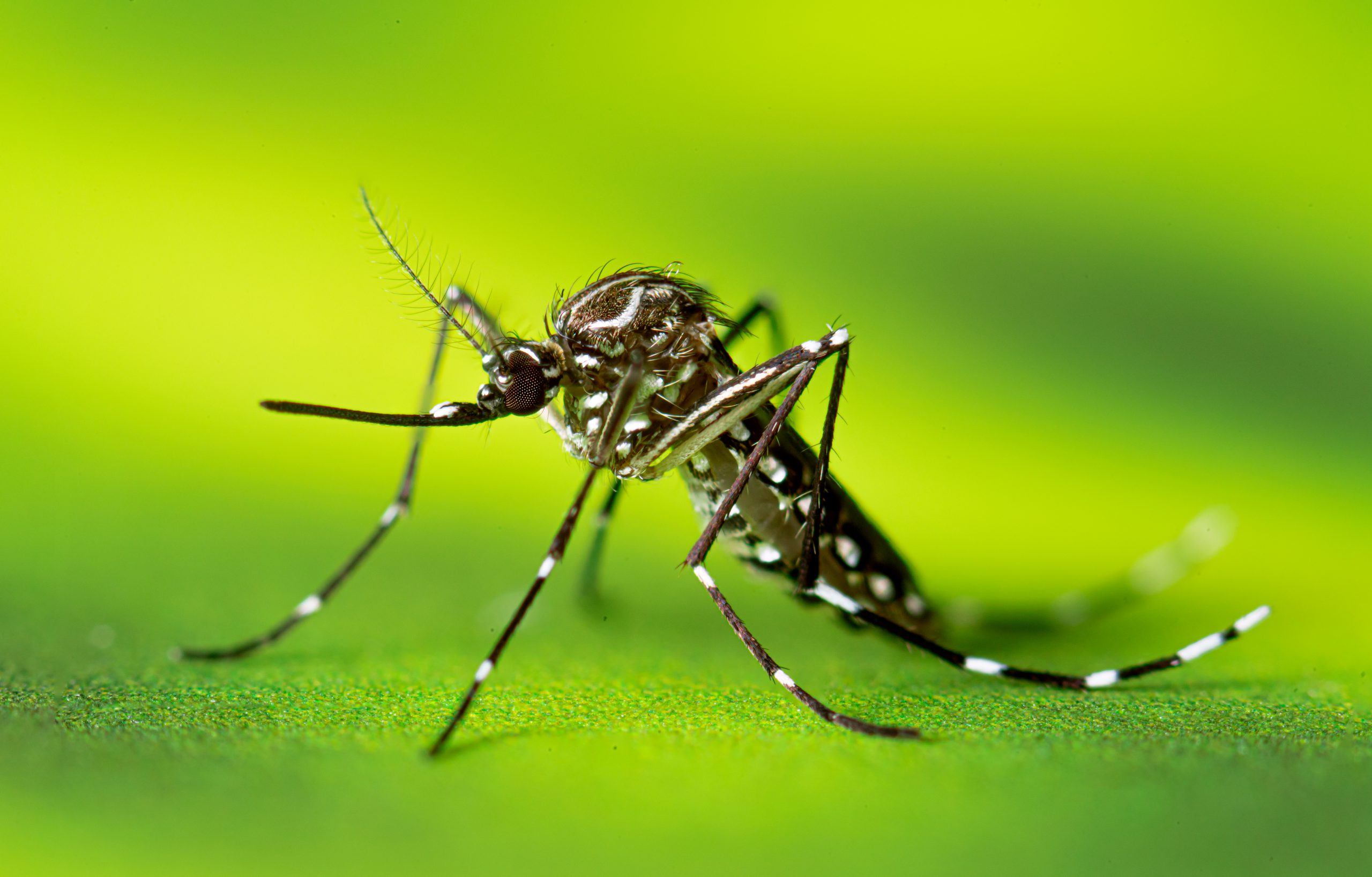
Colombo, Sri Lanka — The Sri Lankan military has launched a large-scale operation to eradicate mosquito breeding grounds across the island nation, as dengue fever cases have soared to over 200,000 this year—nearly triple the total from 2022. With hospitals overwhelmed and fatalities rising, officials say the deployment of thousands of troops marks one of the most aggressive public health responses in decades, though experts warn the battle against the Aedes aegypti mosquito will require more than military muscle to succeed.
By mid-September, Sri Lanka’s health ministry reported 203,145 confirmed dengue cases and 181 deaths in 2023, according to data from the World Health Organization’s South-East Asia Regional Office. That represents a 280% increase in cases compared to the same period last year, when the country recorded 58,382 infections. The outbreak has strained healthcare systems, with some public hospitals reporting 90% occupancy in pediatric wards dedicated to dengue patients.
The military’s involvement comes after President Ranil Wickremesinghe declared a national emergency on dengue prevention in August, directing the armed forces to support health authorities in fumigation, larvicide distribution, and community education. “This is not just a health crisis—it’s a national security threat,” Wickremesinghe told reporters, emphasizing the economic toll of lost productivity as workers fall ill.
Why it matters: Sri Lanka’s dengue surge reflects broader regional trends, but its severity is linked to unique factors—from climate shifts to post-civil war urbanization. The military’s role raises questions about long-term solutions and whether a top-down approach can outpace the mosquito’s adaptability.
How Sri Lanka’s dengue outbreak compares to past crises—and why this year is different
Dengue has been endemic in Sri Lanka for decades, but the current outbreak stands out for its speed and scale. In 2017, the country recorded its worst epidemic to date with 186,721 cases and 113 deaths. This year’s figures already exceed that total, with five months remaining in 2023.
| Year | Confirmed Cases | Deaths | Key Factors |
|---|---|---|---|
| 2017 | 186,721 | 113 | El Niño drought, poor waste management in Colombo |
| 2022 | 58,382 | 35 | COVID-19 disruptions eased vector control |
| 2023 (as of Sept.) | 203,145 | 181 | Heavy monsoon rains, urban sprawl, military deployment |
Key differences in 2023:
- Climate patterns: Sri Lanka experienced 40% above-average rainfall in the first half of 2023, according to the Department of Meteorology, creating ideal breeding conditions for Aedes aegypti mosquitoes.
- Urbanization: Post-war reconstruction in Colombo and Gampaha districts has led to unplanned water storage—tires, discarded containers, and clogged drains—where mosquitoes thrive. A 2021 study in PLOS Neglected Tropical Diseases found that 70% of dengue cases in Sri Lanka originate in urban slums.
- Healthcare collapse: The economic crisis has reduced public spending on vector control by 35% since 2020, per the World Bank’s Sri Lanka Economic Update. Hospitals now treat dengue patients with limited IV fluids and blood donations, worsening fatality rates.
Unlike past outbreaks, this year’s response includes direct military involvement, a move that reflects both desperation and political pressure. “The military has the logistics and manpower to reach remote villages where health workers can’t,” said Dr. Anura Vithanage, a public health expert at the University of Colombo. “But without sustained community participation, this will be a temporary fix.”
Who’s leading the response—and what are their limitations?
The operation involves:
- 12,000 troops from the Sri Lankan Army, Navy, and Air Force, deployed in 25 districts.
- Weekly fumigation drives in high-risk areas, using thermal fogging and larvicide-treated water.
- Door-to-door surveys to identify stagnant water sources, with penalties for households failing to comply.
- Public awareness campaigns, including text messages and social media alerts on dengue symptoms.
Challenges:
- Logistics: The military lacks specialized entomology training. A 2019 internal audit by the Ministry of Defense found that 60% of troops assigned to vector control had no prior experience in mosquito eradication.
- Funding: The operation costs $15 million per month, funded by emergency loans from the IMF. Critics argue this money could be better spent on long-term infrastructure, such as sewer upgrades.
- Public trust: In 2018, a military-led dengue campaign in Jaffna was criticized for disrupting daily life without reducing cases. Residents in some areas now hide water containers to avoid fines.
Expert perspective:
“Military operations can suppress mosquito populations temporarily, but dengue control requires political will and systemic change,” said Dr. Shyamala Nanayakkara, a vector-borne disease specialist at the University of Peradeniya. “We need better waste management, climate-resilient housing, and a national dengue surveillance system—not just soldiers with spray cans.”
Why military deployment alone won’t stop dengue—what Sri Lanka needs instead
Dengue’s resurgence in Sri Lanka is a perfect storm of climate, urbanization, and policy failures. While the military’s involvement is unprecedented, public health experts warn it addresses symptoms, not the root causes. Here’s what’s missing:
1. Infrastructure failures
Sri Lanka’s sewerage system covers only 20% of urban areas, according to the Central Environmental Authority. The rest relies on open drains and septic tanks, which become mosquito breeding grounds during heavy rains. In Colombo’s Pettah district, a 2021 study found mosquito larvae in 85% of surveyed water sources.
2. Climate change acceleration
The Indian Ocean Dipole, a climate phenomenon linked to warmer sea temperatures, has extended Sri Lanka’s monsoon season by three weeks this year, according to the Intergovernmental Panel on Climate Change (IPCC). Mosquitoes thrive in 28–32°C temperatures—conditions now present for nine months of the year in coastal regions.
3. Vaccine gaps
Sri Lanka approved the Qdenga dengue vaccine in June 2023, but only 5% of high-risk populations have received it due to supply shortages. The vaccine, developed by Takeda Pharmaceutical, is 60% effective against severe dengue but requires two doses, complicating mass rollout.
4. Economic constraints
The 2022 economic collapse forced Sri Lanka to slash public health budgets. In 2023, the dengue prevention budget is $40 million—down from $65 million in 2019. “We’re treating the disease, not preventing it,” said Dr. Harsha de Silva, a former director of the Epidemiology Unit. “Without investment in clean water and vector control, we’ll see outbreaks every year.”
What happens next: Will the military operation work—or is this a temporary fix?
Short-term, the military’s efforts may reduce mosquito populations in targeted areas. But long-term success depends on three critical factors:
- Sustained political commitment: Past dengue campaigns have faltered when public interest wanes. In 2017, President Maithripala Sirisena declared a “war on dengue” but dissolved the task force within six months.
- Community engagement: A 2020 study in Lancet Planetary Health found that household-level interventions (e.g., covering water storage) reduced dengue cases by 40%. The military’s current approach relies on top-down enforcement, which risks alienating residents.
- Climate adaptation: Sri Lanka’s National Adaptation Plan includes mosquito-resistant urban design, but funding has been delayed due to the economic crisis.
Key questions for the coming months:
- Will the military operation extend beyond October, or will it be scaled back as cases decline?
- Can Sri Lanka secure additional funding for vaccines and infrastructure from donors like the World Health Organization or Asian Development Bank?
- Will the government reintroduce dengue taxes (as in 2017–2019) to fund prevention, despite public backlash?
For now, Sri Lankans are adapting. In Negombo, a coastal city with 15,000 dengue cases this year, residents have taken to boiling water containers and using mosquito-repellent plants like citronella. “The military can spray all they want,” said Ramesh Fernando, a local fisherman. “But if the drains stay clogged, the mosquitoes will come back.”
FAQ: What you need to know about Sri Lanka’s dengue crisis
1. How dangerous is dengue in Sri Lanka right now?
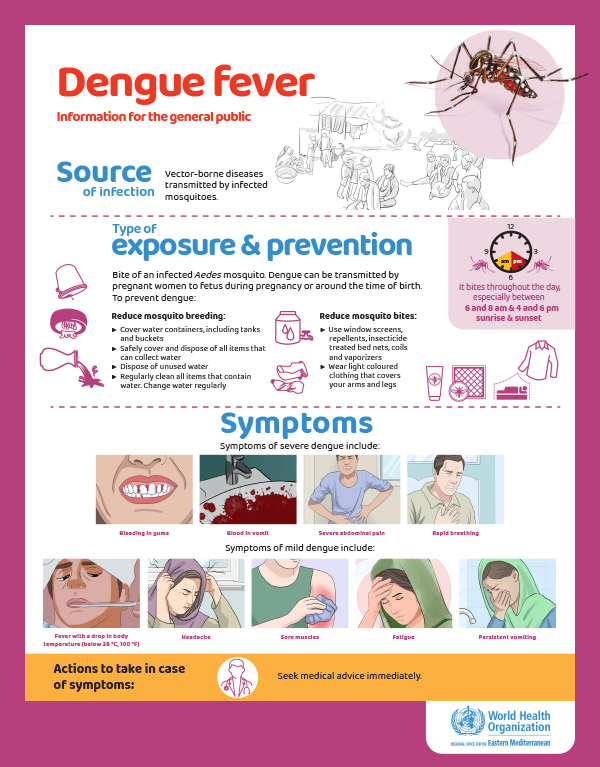
Dengue is life-threatening in severe cases, causing hemorrhagic fever or organ failure. This year, 181 deaths have been recorded—five times higher than in 2022. Symptoms include high fever, severe headache, joint pain, and vomiting. Seek medical help immediately if these appear.
2. Can tourists get dengue in Sri Lanka?
Yes. Dengue is not limited to locals—tourists in Colombo, Galle, and Kandy have been infected. The U.S. Centers for Disease Control (CDC) advises travelers to use EPA-approved repellents, wear long sleeves, and avoid stagnant water. No vaccine is currently approved for travelers.
3. Why does Sri Lanka have so many dengue cases compared to other countries?
Sri Lanka’s high population density (345 people per km²), tropical climate, and poor waste management create ideal conditions. Unlike countries with stronger healthcare systems (e.g., Singapore), Sri Lanka struggles with diagnostic delays and treatment shortages.

4. Is there a dengue vaccine available in Sri Lanka?
Yes, the Qdenga vaccine (by Takeda) was approved in June 2023, but supply is limited. It’s recommended for ages 4–60 with a prior dengue infection. Two doses are needed for full protection. The government is negotiating with manufacturers for additional doses.
5. How can Sri Lankans protect themselves at home?
The Ministry of Health recommends:
- Empty and scrub water containers weekly.
- Use larvicides (e.g., Bti tablets) in stagnant water.
- Install mosquito nets and screen doors.
- Wear light-colored clothing and apply DEET repellent.
- Report mosquito breeding sites to local authorities.
6. Could Sri Lanka’s dengue crisis spread to neighboring countries?
Yes. Dengue is highly mobile—infected travelers can introduce the virus to new areas. India, Maldives, and Bangladesh have already seen rising cases in 2023. The WHO’s South-East Asia Region has warned of a “cross-border risk” if Sri Lanka’s outbreak isn’t contained.
As Sri Lanka’s military continues its dengue eradication campaign, the real test will be whether the government can transition from emergency measures to lasting solutions. With monsoon season approaching and healthcare systems stretched thin, the next few months will determine whether this year’s outbreak becomes a one-time surge—or a new normal.
For updates on dengue prevention and Sri Lanka’s response, follow official guidance from the Ministry of Health and World Health Organization. If traveling to Sri Lanka, consult the latest CDC health advisories before departure.
For more on how climate change worsens dengue outbreaks, or the global cost of mosquito-borne diseases, see our related coverage.
