UK Approves First Drug to Delay Type 1 Diabetes in Children and Young Adults
The National Health Service (NHS) in England and Wales has approved the use of teplizumab—a drug that can delay the onset of type 1 diabetes by up to two years in high-risk children and young adults. The decision marks a major breakthrough in diabetes prevention, offering the first approved treatment to postpone the disease in individuals identified as genetically predisposed. Regulatory approval follows years of clinical trials showing the drug’s ability to slow immune system destruction of insulin-producing cells.
According to the Medicines and Healthcare products Regulatory Agency (MHRA), teplizumab will be made available through the NHS to patients aged 8 and above who test positive for two or more high-risk genetic markers and show early signs of autoimmune activity. The drug, originally developed by Provention Bio, is expected to be rolled out in coming months, pending final logistics and clinician training.
For families with a history of type 1 diabetes, the approval represents a turning point. Experts describe it as the first meaningful intervention in a disease that typically progresses rapidly once symptoms appear. But questions remain about long-term efficacy, cost, and whether the NHS can sustain the program for all eligible patients.
—
What is teplizumab, and how does it work?
Teplizumab is a monoclonal antibody therapy designed to temporarily suppress the immune system’s attack on pancreatic beta cells—the insulin-producing cells destroyed in type 1 diabetes. Unlike insulin therapy, which only manages symptoms after diagnosis, teplizumab targets the underlying autoimmune process.
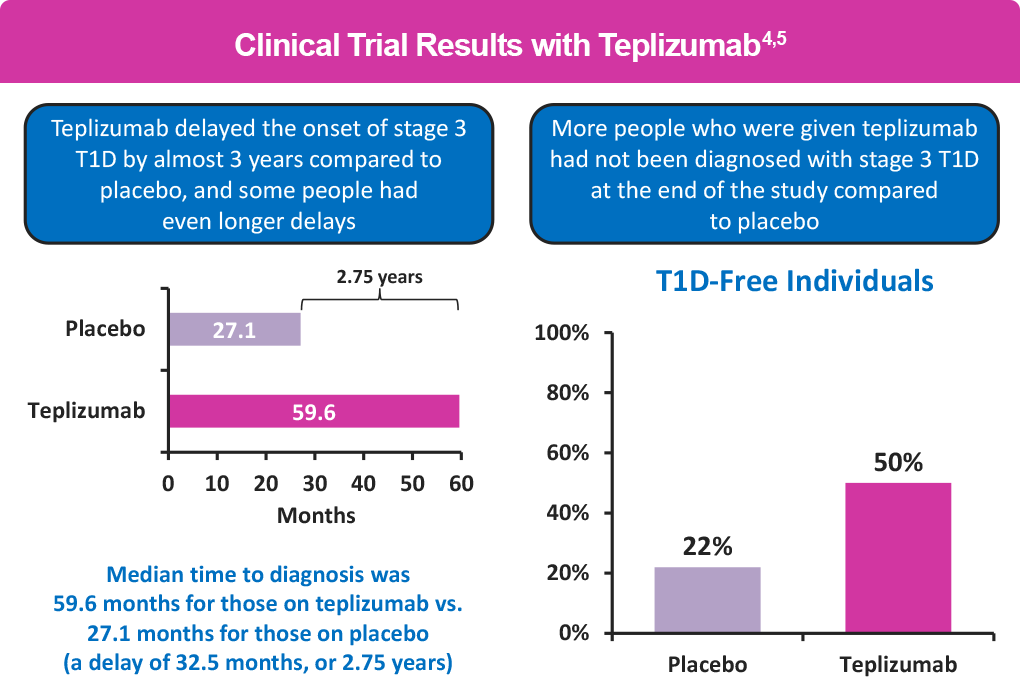
Clinical trials published in the New England Journal of Medicine demonstrated that in high-risk individuals, the drug delayed diabetes onset by an average of 21 months compared to a placebo group. The effect was most pronounced in younger patients, with some trial participants remaining diabetes-free for up to five years post-treatment.

Key mechanism:
- Immune modulation: Teplizumab binds to CD3 receptors on T-cells, reducing their ability to target and destroy beta cells.
- Temporary effect: The drug’s benefits diminish over time, requiring early intervention in at-risk individuals.
- No cure: While it delays progression, teplizumab does not reverse existing autoimmune damage or replace insulin therapy once diabetes develops.
Dr. Eleanor Blakely, a diabetes researcher at King’s College London, noted that the drug’s approval “changes the paradigm from reactive to preventive care.” However, she cautioned that it is not a cure and will require ongoing monitoring for side effects, including increased susceptibility to infections.
—
Who qualifies for the treatment, and how will it be accessed?
The NHS approval targets a specific group: individuals aged 8 and older who meet two high-risk genetic criteria (such as carrying the HLA-DR3/DR4 or HLA-DR4/DR4 haplotypes) and show early signs of autoimmune activity, such as the presence of autoantibodies against insulin or other pancreatic proteins.
Eligibility will be determined through genetic testing and blood panels, with referrals coming from pediatricians, endocrinologists, and diabetes clinics. The MHRA has stated that the drug will be prioritized for those at the highest risk of rapid disease progression.
Access challenges:
- Limited supply: Initial rollout will depend on manufacturing capacity, with Provention Bio expected to ramp up production.
- Cost concerns: The drug’s price—estimated at £50,000–£70,000 per course—raises questions about long-term NHS affordability, though the agency has not disclosed final pricing.
- Diagnostic delays: Not all high-risk individuals are currently screened, meaning some may miss the treatment window.
Dr. Sarah Walker, a consultant pediatrician at Great Ormond Street Hospital, explained that screening programs will need to expand to identify eligible candidates. “This isn’t just about treating symptoms—it’s about catching people before their immune systems do irreversible damage,” she said.
—
Why does this approval matter for type 1 diabetes?
Type 1 diabetes affects around 400,000 people in the UK, with incidence rising by 3–5% annually in children under 15. The disease occurs when the immune system mistakenly attacks insulin-producing cells, leading to lifelong dependence on insulin injections or pumps. Before teplizumab, there were no approved interventions to delay or prevent its onset.
The approval aligns with a broader shift in medicine toward preventive therapies, similar to how statins are used to delay heart disease or HPV vaccines prevent cervical cancer. For type 1 diabetes, teplizumab represents the first such milestone.
Broader implications:
- Reduced healthcare burden: Delaying diabetes onset could lower long-term costs related to insulin, hospitalizations, and complications like kidney disease.
- Quality-of-life improvements: Avoiding early diagnosis means children can avoid the daily burden of insulin management during critical developmental years.
- Research momentum: The approval may accelerate trials for other preventive therapies, including oral medications or stem cell approaches.
Prof. Andrew Hattersley, a diabetes expert at the University of Exeter, compared the development to the introduction of insulin in the 1920s, which transformed diabetes from a fatal sentence to a manageable condition. “Teplizumab doesn’t cure, but it buys time—and time can be everything for a child’s development,” he said.
—
How does the UK’s approval compare to global developments?
Teplizumab was first approved by the US Food and Drug Administration (FDA) in 2022 under the brand name Tzield, making the UK the second country to adopt it for preventive use. However, the NHS approval differs in key ways:
| Aspect | UK (NHS) | US (FDA) |
|---|---|---|
| Target age group | 8+ years | 8+ years (with some trials including younger children) |
| Genetic risk criteria | 2+ high-risk markers + autoantibodies | 1+ high-risk marker + autoantibodies (broader) |
| Expected delay | Up to 2 years (NHS data pending) | Average 21 months (trial data) |
| Cost coverage | NHS-funded (price undisclosed) | Private insurance or patient assistance programs |
The UK’s stricter genetic criteria reflect a cautious approach to resource allocation, while the US has taken a broader stance, potentially treating a larger patient pool. The European Medicines Agency (EMA) is currently reviewing teplizumab for approval across the EU, with a decision expected in late 2024.
Dr. James Johnson, a diabetes policy advisor at Public Health England, noted that the UK’s model may serve as a template for other countries balancing cost and accessibility. “We’re not just following the US—we’re adapting it to our healthcare system,” he said.
—
What are the risks and limitations of teplizumab?
While teplizumab offers hope, it is not without risks or uncertainties:
Short-term side effects:
- Thyroid disorders (observed in 10–15% of trial participants)
- Headaches and nausea (mild, temporary)
- Increased infection risk during treatment
Long-term unknowns:
- Duration of protection: Trials show benefits taper after 1–2 years, leaving a window for disease progression.
- Rebound effect: Some patients may experience accelerated diabetes onset after treatment ends.
- Lifelong monitoring: Patients will require regular blood tests to track autoantibody levels and immune function.
Dr. Lisa McKeown, a clinical immunologist at Imperial College London, emphasized that teplizumab is not a “one-and-done” solution. “This is the start of a conversation, not the end,” she said. “We need to study whether combining teplizumab with other therapies could extend the delay further.”
Additionally, the drug’s effectiveness may vary by individual. In trials, about 50% of high-risk patients remained diabetes-free after two years, while others progressed despite treatment. Genetic and environmental factors likely play a role in this variability.
—
What happens next for patients and researchers?
The NHS will begin rolling out teplizumab in early 2025, with the first patients expected to receive treatment by mid-year. Key next steps include:

- Screening expansion: Diabetes clinics will ramp up genetic and autoantibody testing to identify eligible candidates.
- Clinician training: Endocrinologists and pediatricians will undergo specialized training in administering the drug and monitoring side effects.
- Real-world data collection: The NHS will track long-term outcomes to assess whether the trial results hold in broader populations.
- Cost-benefit analysis: Health economists will evaluate whether the drug’s benefits justify its expense compared to standard care.
Researchers are also exploring combinations with other experimental treatments, such as oral insulin or stem cell therapies, to potentially extend the delay beyond two years. A trial at Oxford University is investigating whether teplizumab plus low-dose insulin can achieve remission in newly diagnosed patients.
For families, the approval raises practical questions: Will the NHS cover the cost for all eligible patients? How soon can they access testing? And what happens if their child’s diabetes progresses despite treatment? The answers will unfold over the coming months as the program takes shape.
—
Common questions about teplizumab and type 1 diabetes prevention
Q: How do I know if my child is at high risk for type 1 diabetes?
A: Genetic testing for markers like HLA-DR3/DR4 and blood tests for autoantibodies (such as GAD65 or IA-2) can identify high-risk individuals. Ask your pediatrician or a diabetes specialist about screening options.
Q: Is teplizumab safe for young children?
A: Clinical trials included children as young as 8, but data for younger ages is limited. The NHS approval starts at 8, with ongoing studies evaluating safety in toddlers.
Q: Will teplizumab cure type 1 diabetes?
A: No. It delays onset but does not reverse existing autoimmune damage. Insulin therapy will still be required if diabetes develops.
Q: How much does teplizumab cost, and will the NHS pay?
A: The drug’s price is estimated at £50,000–£70,000 per course. The NHS has approved it for eligible patients, but final pricing and coverage details will be announced in early 2025.
Q: Are there other treatments that can delay type 1 diabetes?
A: No other approved drugs delay onset, but research is ongoing into oral insulin, vitamin D supplementation, and dietary interventions. Teplizumab remains the only proven preventive option.
Q: What should I do if I suspect my child is at risk?
A: Consult your GP or a pediatric endocrinologist. Early screening can determine eligibility for teplizumab or other preventive strategies.
—
For families navigating type 1 diabetes risk, the NHS approval of teplizumab offers a glimmer of hope—but also underscores the need for vigilance, research, and careful monitoring. As the program expands, its success will hinge on balancing medical promise with practical realities in the UK’s healthcare system.
