Nhận định Singapore vs Thái Lan: Bất bại đấu toàn thắng
Thailand enters the semi-finals on a four-match winning streak without conceding a single goal, while Singapore relies on defensive discipline and tactical grit.

A flawless attacking juggernaut collides with an unyielding, survivalist defense as Singapore and Thailand square off in the opening leg of the ASEAN Cup 2026 semi-finals. While the Thai squad enters the fixture riding a perfect four-match winning streak without conceding a single goal, the host nation has ground its way through the group stage entirely unbeaten on the strength of tactical grit and disciplined resistance.
The starkest divide between the two semi-finalists lies in how they construct their success. Under the guidance of coach Anthony Hudson, Thethao247 reports that Thailand swept through Group B with 12 absolute points, rattling off victories against Laos, Malaysia, Philippines, and Myanmar while outscoring opponents 10 goals to zero. Singapore navigated Group A by finishing second with eight points, compiling two wins and two draws — including stalemates against Vietnam and Indonesia — anchored by a collective resolve rather than overwhelming offensive firepower.
Related YouTube video

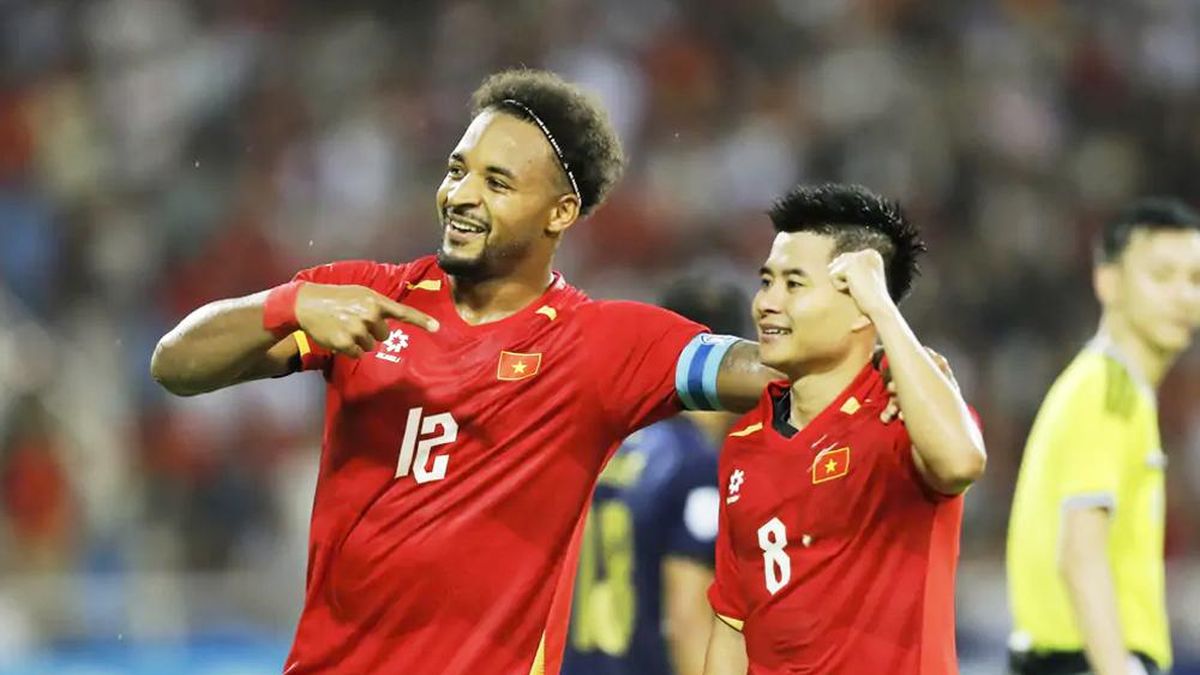
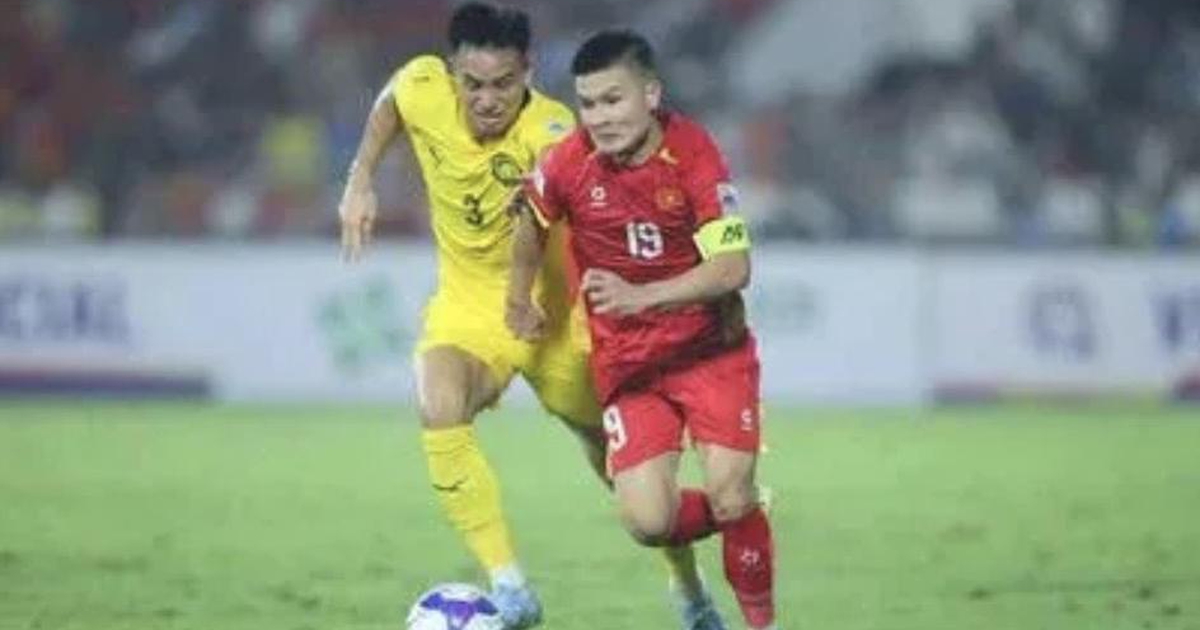
That Thai dominance is built upon formidable squad depth and tactical rotation. Hudson altered eight starting positions against the Philippines compared to the preceding victory over Malaysia yet still secured a clean sheet and a win, subsequently resting multiple key starters in the final group fixture against Myanmar while maintaining victory, according to Thethao247. Thailand's offensive output is distributed evenly across the roster: Kakana Khamyok, Teerasak Poeiphimai, and Yotsakorn Burapha have netted two goals apiece, supplemented by strikes from Sarach Yooyen, Waris Choolthong, Worachit Kanitsribumphen, and Jehhanafee Mamah.
Conversely, Singapore’s architecture relies heavily on defensive structure and a singular focal point in attack. Goalkeeper Izwan Mahbud and team captain Hariss Harun marshal a disciplined rearguard that conceded only twice across four group matches, neutralizing threats from regional heavyweights Vietnam and Indonesia. Up front, however, the burden falls squarely on Ilhan Fandi, who has scored three of Singapore's five total goals in the tournament. According to Thethao247, such reliance on a single primary marksman creates a distinct tactical limitation when facing an opponent whose defensive record remains unblemished.
The physical nature of Singapore's approach is further underscored by disciplinary statistics. The team accumulated eight yellow cards through four matches, averaging two per game, as aggressive stopping tactics and tactical fouls were regularly deployed to disrupt opponent transitions. In contrast, Thailand received only four yellow cards across their first three group outings, reflecting a cleaner defensive profile built on sustained possession and positional control.
As Baomoi notes, the broader semi-final landscape features a reunion of four historical champions holding a combined 15 titles, highlighting a regional hierarchy where foundational academy systems continue to triumph over short-term naturalization projects. For Singapore, the immediate challenge is absorbing wave after wave of pressure from an opponent boasting superior personnel depth and an average of 2.5 goals per match.
The opening whistle of the first leg sounds on August 15, 2026, at 20:00 in Singapore.
Tactical Realities and the Semifinal Horizon
The tactical divergence between Singapore and Thailand extends far beyond their group-stage goal differentials. According to Thethao247, Singapore navigated Group A by defeating Cambodia and Timor Leste before securing vital draws against regional heavyweights. Under the direction of head coach Gavin Lee, the team demonstrated an ability to compress spaces and absorb heavy pressure, relying on veteran leadership from Izwan Mahbud and Hariss Harun to neutralize opponents. Conversely, Anthony Hudson's Thai squad combined structured possession with methodical squad rotation to claim 12 points in Group B.
As Baomoi observes, this high-stakes fixture forms part of a historic convergence where all four semifinalists are former tournament champions holding a combined 15 titles. This milestone underscores a broader regional trend: while nations relying on rapid naturalization projects have stumbled, semifinalists anchored by domestic academies and continuous coaching structures have maintained their continental hierarchy.
- First Leg Date: August 15, 2026, at 20:00 in Singapore.
- Second Leg Date: August 18, 2026, hosted in Thailand.
- Defensive Records: Thailand enters with zero goals conceded in four matches; Singapore conceded twice while accumulating eight yellow cards.
With the physical intensity expected to rise above group-stage levels, disciplined tactical stopping and card accumulation loom large over the opening encounter. The aggregate winner advances as the next step toward the ASEAN Cup 2026 trophy.
Group-Stage Trajectories and Historical Echoes
The contrasting paths of the two semi-finalists highlight distinct methods of regional competition, as detailed by Thethao247. While Thailand swept Group B with victories over Laos, Malaysia, Philippines, and Myanmar, Singapore secured their progression in Group A with wins against Cambodia and Timor Leste alongside resolute draws against Vietnam and Indonesia. This defensive resilience under head coach Gavin Lee contrasts sharply with Anthony Hudson's expansive and heavily rotated Thai setup, establishing a compelling clash of philosophies.
According to Baomoi, this fixture also mirrors a broader historical convergence. For the first time in nearly two decades, the semi-finals feature four former champions holding a combined 15 titles, underscoring how reliance on established domestic academies continues to outperform short-term naturalization strategies across Southeast Asia.
| Team | Group Stage Finish | Points | Goals Scored | Goals Conceded |
|---|---|---|---|---|
| Thailand | 1st (Group B) | 12 | 10 | 0 |
| Singapore | 2nd (Group A) | 8 | 5 | 2 |
As both squads prepare for the physical intensity of the knockout rounds, disciplined tactical management will dictate the tempo. According to official tournament statistics cited by Thethao247, Singapore accumulated eight yellow cards during the group stage, whereas Thailand received only four, pointing to a potential flashpoint in midfield battles. The aggregate winner will secure the next step toward the ASEAN Cup 2026 championship match.
How significant is this development?
Contribute your assessment to the aggregated reader intelligence ledger.
Archypedia is dedicated to independent, evidence-backed reporting. This briefing was synthesized from primary source reporting, corroborated across independent newsrooms, and verified against our Editorial Standards.
Transparency record
Evidence behind this report
This report synthesizes 6 distinct sources. Open the source ledger below to compare the underlying coverage.
Prepared under the Archypedia Editorial Policy by the Rafael Ortega editorial desk profile. AI-assisted tools may support drafting and verification; public accountability remains with Archypedia. Report an error.