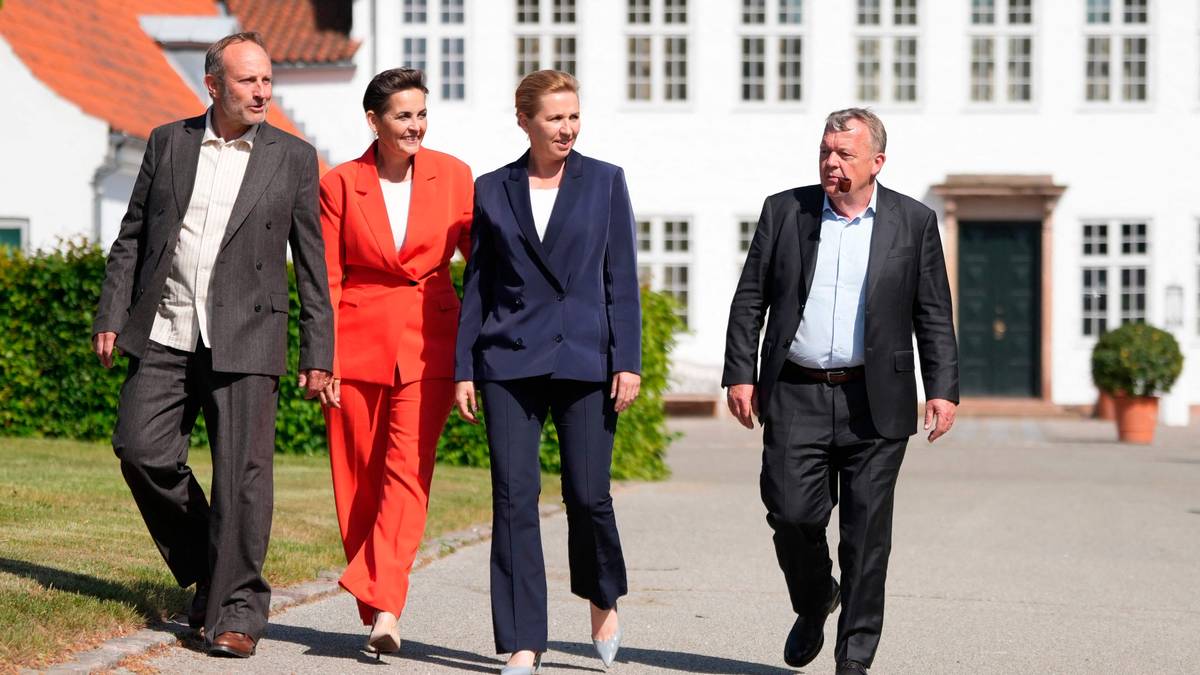
In a significant political development, Denmark has announced the formation of a new four-party government, marking a pivotal shift in the country’s political landscape. The coalition, which includes parties from across the political spectrum, has pledged to implement a range of reforms, including universal access to dental care, signaling a focus on social welfare and public health.
A New Political Landscape in Denmark
The agreement, reached after weeks of intense negotiations, brings together four political parties to form a stable majority in the Danish parliament. While the specific names of the parties are not detailed in the available reports, the coalition’s formation follows the collapse of the previous government, which had been in power for several years. The new administration is expected to prioritize policies aimed at addressing growing public concerns over healthcare accessibility and economic inequality.

The transition comes amid broader regional challenges, including rising healthcare costs and a tightening labor market. Analysts suggest that the coalition’s emphasis on universal services reflects a broader trend in Nordic politics, where social democratic principles continue to influence policy debates.
Key Policy Initiatives of the Coalition
A central component of the new government’s platform is the introduction of free dental care for all citizens. This policy, if implemented, would represent a major expansion of Denmark’s existing healthcare system, which currently provides subsidized dental services but not full coverage. The decision underscores the coalition’s commitment to reducing financial barriers to healthcare and improving overall public well-being.
The government’s platform, which was formally presented on Thursday, also includes plans to invest in renewable energy infrastructure and enhance support for modest businesses. These measures are intended to stimulate economic growth while addressing environmental concerns. However, details on funding mechanisms and timelines remain unspecified in the available reports.
Implications for Regional Stability
The formation of the new government is likely to have broader implications for the Nordic region, particularly in terms of policy coordination and regional cooperation. Denmark’s approach to healthcare and social welfare has historically served as a model for other Nordic countries, and the coalition’s priorities may influence similar debates in Sweden, Norway, and Finland.
Internationally, the shift in Denmark’s political leadership could also impact EU negotiations, particularly in areas such as climate policy and trade. The coalition’s stance on these issues will be closely watched by European partners and global stakeholders.
The next phase of the new government’s agenda will involve drafting legislation to implement its key policies, with a focus on securing parliamentary approval and managing potential opposition. As the administration takes shape, its ability to balance competing priorities will be critical to its long-term success.
