U.S.-Iran Nuclear Talks: Marco Rubio Reports Potential Breakthrough Amid Regional Tensions
In a surprising turn of events, U.S. Senator Marco Rubio has announced what he describes as a significant development in ongoing diplomatic efforts between the United States and Iran concerning the latter’s nuclear program. The claims come amid heightened regional tensions and a complex web of geopolitical interests that have long defined the U.S.-Iran relationship. While the details remain scarce, the potential for renewed dialogue raises questions about the future of nuclear non-proliferation efforts and the broader Middle East crisis.
What Happened? A Breakthrough or a Strategic Move?
Rubio, a prominent Republican figure known for his hardline stance on Iran, reportedly stated that U.S. Officials are engaged in “substantive discussions” with Iranian representatives. The senator did not specify the exact terms of these talks, but he emphasized that they are focused on addressing concerns about Iran’s nuclear capabilities. This development marks a shift from the current administration’s previous approach, which has been characterized by a mix of sanctions, diplomatic outreach, and military posturing.
The senator also highlighted the importance of the Strait of Hormuz, a critical maritime chokepoint through which a significant portion of the world’s oil supply passes. According to Rubio, ensuring the free flow of commerce through this strait is a key condition for any agreement. This aligns with broader U.S. Strategic interests, as disruptions in the region could have far-reaching economic consequences.
Who Is Involved? Key Players and Their Stakes
The U.S.-Iran dynamic involves a multitude of actors, each with distinct interests and motivations. At the core of the negotiations are the two nations themselves, but the involvement of international bodies and regional allies complicates the landscape.
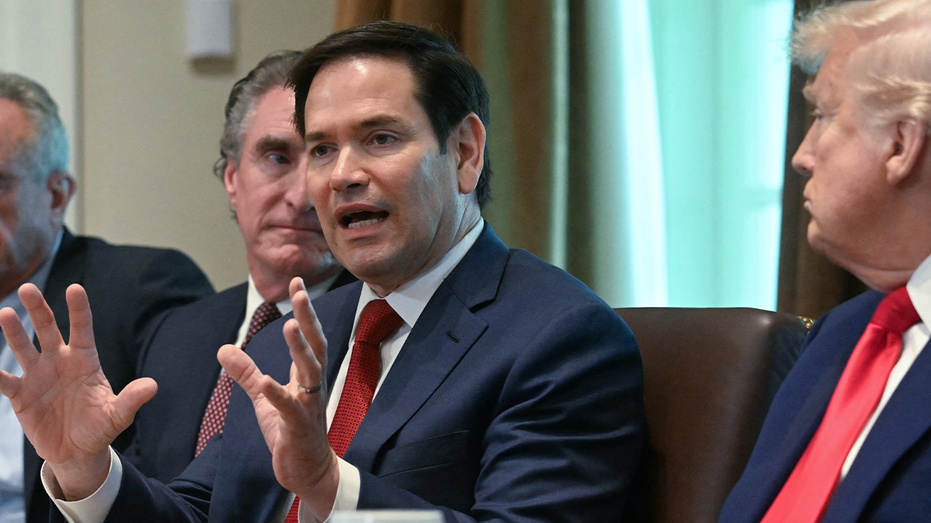
- United States: The U.S. Has long sought to curb Iran’s nuclear ambitions, citing concerns over regional stability and global security. Recent administrations have oscillated between confrontation and diplomacy, with the current administration facing pressure from both domestic and international stakeholders.
- Iran: Tehran has consistently maintained that its nuclear program is for peaceful purposes, but the international community remains skeptical. Iran’s leadership, including Supreme Leader Ali Khamenei, has historically been resistant to external pressures, though recent shifts in domestic politics may influence its approach.
- International Community: Organizations such as the International Atomic Energy Agency (IAEA) play a critical role in monitoring nuclear activities. European nations, particularly France, Germany, and the UK, have also been involved in previous negotiations, though their influence has waned in recent years.
Regional actors like Saudi Arabia, Israel, and the Gulf Cooperation Council (GCC) also have vested interests in the outcome of these talks. These countries view Iran’s nuclear program as a direct threat to their security and have historically supported U.S. Efforts to contain Iranian influence.
Why Does This Matter? Implications for Global Security
The potential for renewed U.S.-Iran negotiations carries significant implications for global security. A successful agreement could reduce the risk of nuclear proliferation in the Middle East, a region already fraught with instability. Conversely, a failure to reach a consensus could escalate tensions, leading to further military posturing or even conflict.
The Strait of Hormuz issue underscores the economic stakes involved. Any disruption in this vital waterway could lead to energy price shocks, affecting not only the Middle East but also global markets. This economic dimension adds another layer of complexity to the negotiations, as both sides must balance security concerns with economic interests.
Context and History: A Legacy of Tension and Negotiation
The U.S.-Iran relationship has been marked by a history of mistrust and conflict. The 1979 Iranian Revolution and the subsequent hostage crisis set the stage for decades of hostility. More recently, the 2015 Joint Comprehensive Plan of Action (JCPOA), commonly known as the Iran nuclear deal, represented a significant diplomatic effort to curb Iran’s nuclear program in exchange for sanctions relief. However, the U.S. Withdrawal from the agreement in 2018 under the Trump administration led to a resurgence of tensions.

Since then, the situation has remained volatile, with Iran gradually increasing its nuclear activities in response to the reimposition of sanctions. The current administration’s approach has been to engage in “maximum pressure” while seeking to re-enter the nuclear deal through negotiations. The recent claims by Rubio suggest a possible pivot in this strategy, though the extent of this shift remains unclear.
Reactions and Expert Perspectives
The announcement has elicited mixed reactions from analysts and policymakers. Some view the talks as a necessary step toward de-escalation, while others remain skeptical about Iran’s intentions. “Diplomacy is always preferable to conflict, but we must remain vigilant,” said a senior analyst at a Washington-based think tank. “Any agreement must be verifiable and enforceable to prevent future violations.”
critics argue that the U.S. Has historically been too accommodating to Iran’s demands, leading to a cycle of broken agreements. “We need a strategy that addresses Iran’s regional ambitions, not just its nuclear program,” one commentator noted. This perspective highlights the broader challenge of reconciling nuclear non-proliferation with the complex geopolitical realities of the Middle East.
