Cuba’s state-run energy sector foiled a high-stakes theft attempt at a solar park in Ciego de Ávila province over the weekend, marking a rare public acknowledgment of organized criminal activity targeting the island’s renewable infrastructure—a development that underscores both the economic pressures facing Havana and the growing vulnerability of its green energy investments.
What happened
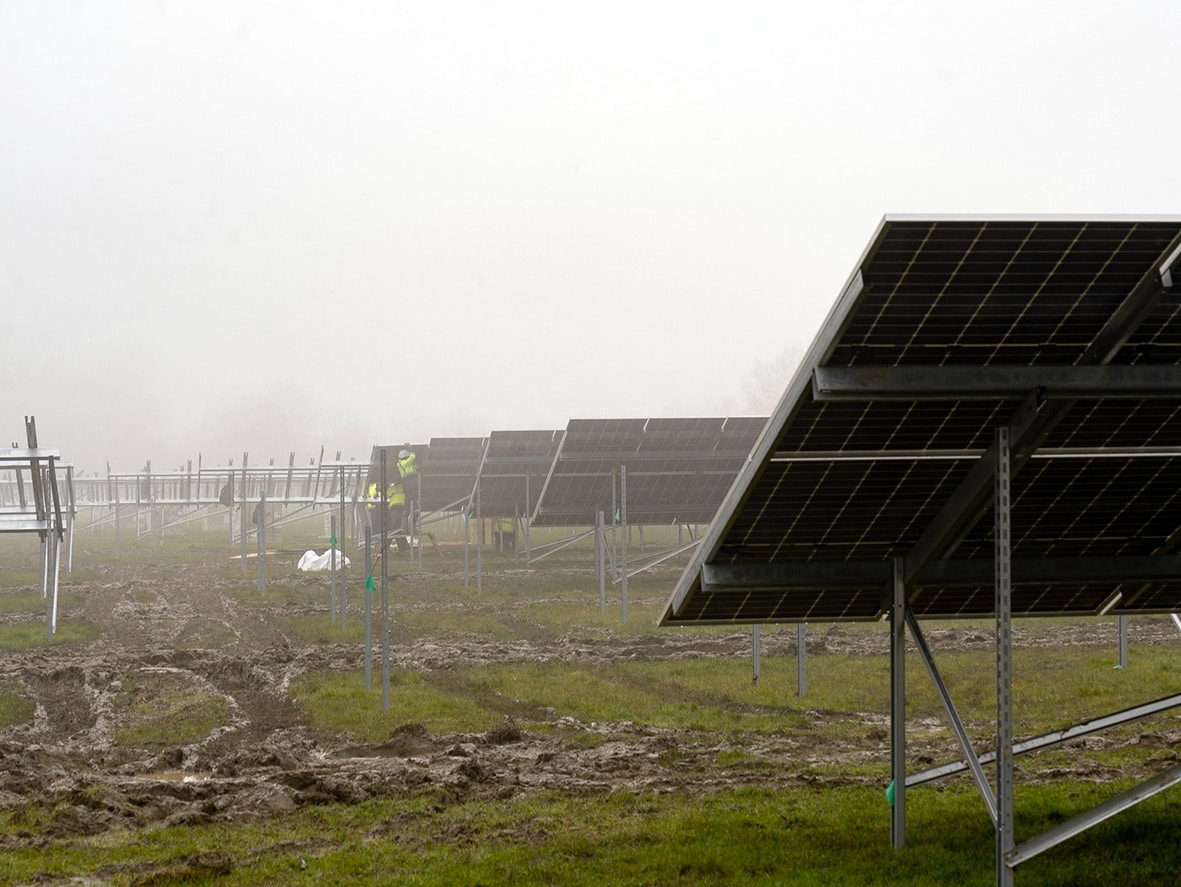
Local authorities in Ciego de Ávila, a central province known for its agricultural output and strategic location, confirmed the thwarted robbery after an armed group attempted to breach the perimeter of a solar farm operated by the state-owned Unión Eléctrica. Security personnel intervened before any equipment or materials were taken, though officials did not disclose whether the assailants were apprehended or whether the facility sustained damage. The incident occurred amid a broader crackdown on theft and smuggling operations targeting state assets, including fuel depots and agricultural cooperatives.
Why it matters for Cuba’s energy transition
The solar park in question is part of Cuba’s ambitious but underfunded push to expand renewable energy, a priority as the island grapples with chronic fuel shortages and aging Soviet-era power plants. The theft attempt highlights two critical challenges: first, the physical security risks facing Cuba’s nascent green infrastructure; second, the broader erosion of state control over economic assets as economic hardship deepens. While Havana has invested heavily in solar and wind projects—particularly in provinces like Ciego de Ávila, where geography favors large-scale installations—the lack of domestic resources has left these facilities vulnerable to opportunistic theft or organized criminal networks.
According to government officials, the incident is being treated as an isolated case, though it follows a pattern of increased reports of theft targeting state-owned facilities, including a spate of break-ins at fuel storage sites in Havana earlier this year. The solar park’s location—some 300 miles east of the capital—also raises questions about whether criminal groups are exploiting Cuba’s decentralized security apparatus, particularly in regions with weaker state presence.
Regional context: Cuba’s energy struggles and the shadow economy
Cuba’s energy sector has long been a flashpoint, shaped by decades of U.S. Embargoes, the collapse of Soviet subsidies in the 1990s, and more recently, the economic fallout from the pandemic and global fuel price volatility. The government has pivoted to renewables as a long-term solution, but progress has been stymied by chronic shortages of spare parts, foreign currency, and skilled labor. The theft attempt at the solar park comes as Cuba faces mounting pressure to stabilize its power grid, with blackouts affecting hospitals and businesses across the archipelago.
While official statements have framed the incident as an isolated security breach, international observers note that such events could exacerbate tensions between Havana and its allies, particularly Venezuela, which has provided critical oil subsidies in exchange for Cuban medical and military support. The theft also risks undermining investor confidence in Cuba’s renewable energy sector, which has attracted limited foreign capital due to political and economic risks.
No immediate fallout, but lingering questions
As of Monday, Cuban authorities had not announced any arrests or further details about the incident, though local media reported that security forces were conducting follow-up investigations. The government has not attributed the attempt to any specific group, though past cases of theft targeting state assets have implicated both individual criminals and organized networks operating in collaboration with smugglers based in neighboring countries.
What remains unclear is whether this incident reflects a broader trend of criminal activity targeting Cuba’s energy infrastructure—or whether it is an anomaly in an otherwise stable sector. For now, the focus remains on securing the solar park and other renewable projects before further disruptions occur.
