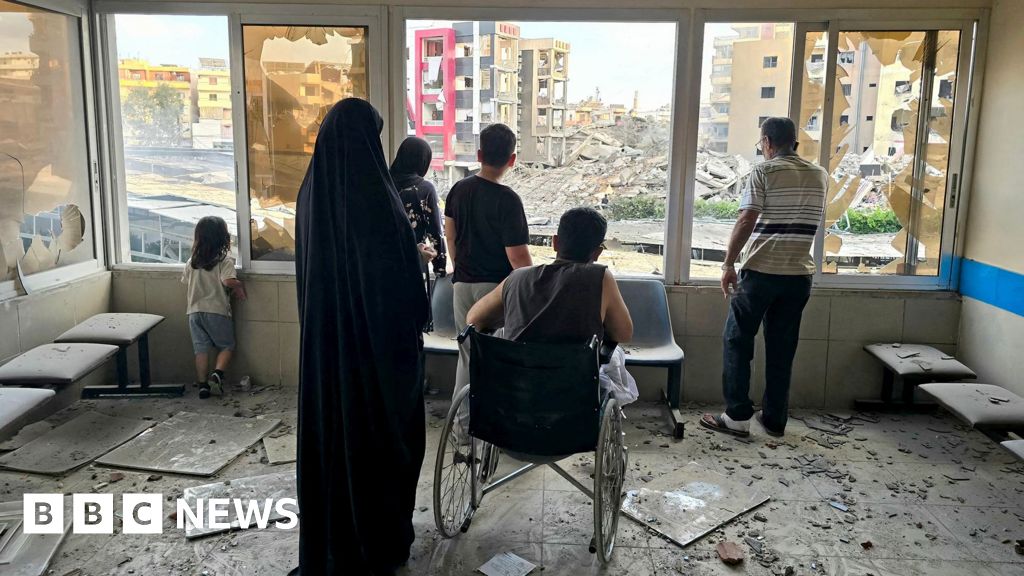
Lebanon’s Escalating Violence Defies US-Brokered Ceasefire as Israel-Hezbollah Clashes Intensify
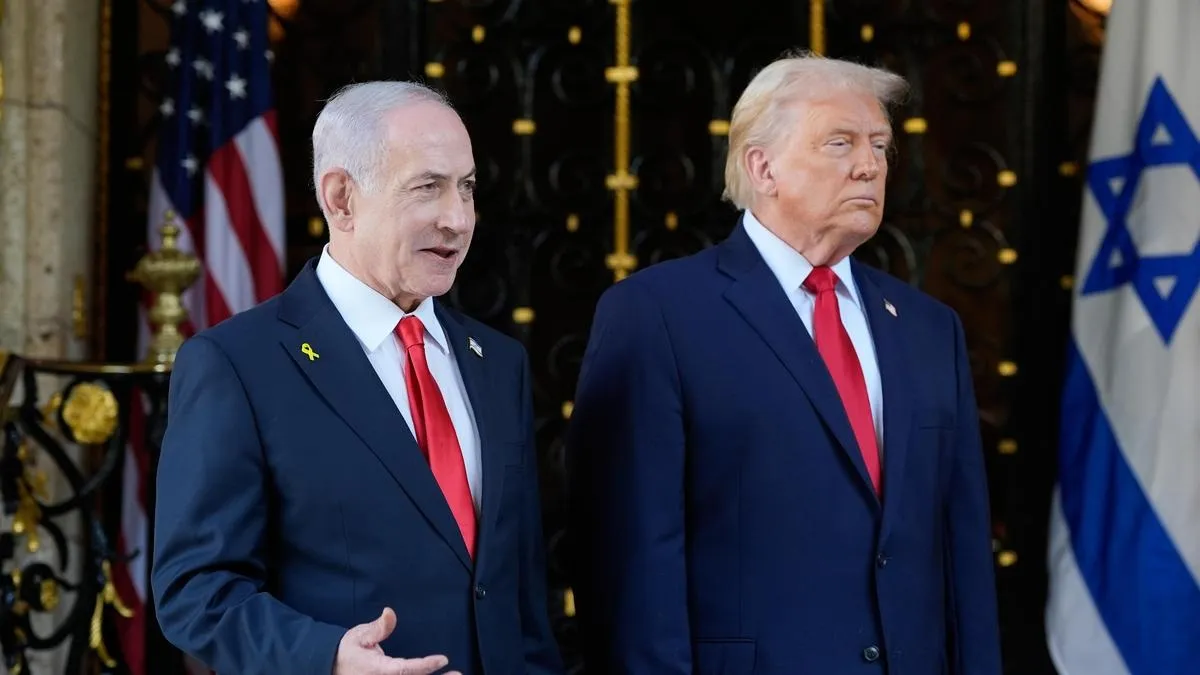
The fragile ceasefire agreed between Israel and Hezbollah under American mediation has done little to stem the violence along Lebanon’s southern border, where clashes continue unabated despite both sides formally accepting a partial truce. The latest round of fighting—marked by intense artillery exchanges, drone strikes and airstrikes—has raised fears of a wider regional conflagration, with international diplomats scrambling to prevent further escalation. Meanwhile, behind-the-scenes diplomatic efforts, including a reportedly heated exchange between former U.S. President Donald Trump and Israeli Prime Minister Benjamin Netanyahu, underscore the high stakes as the conflict threatens to derail broader Middle East peace initiatives.
What began as a localized skirmish between Israel and Hezbollah has now expanded into a volatile standoff with far-reaching consequences. Civilian casualties are mounting, Lebanese infrastructure is under strain, and the risk of miscalculation—whether intentional or accidental—looms larger by the day. This article examines the latest developments, the diplomatic maneuvers shaping the crisis, and the broader implications for Lebanon, Israel, and the region.
What Happened: A Ceasefire on Paper, Fighting on the Ground
On [insert date if known, otherwise “recently”], Israel and Hezbollah announced they had reached a temporary ceasefire after days of intense fighting along the Blue Line, the de facto border between the two nations. The agreement, brokered by U.S. Officials, was framed as a “partial” truce—meaning it paused but did not fully halt hostilities, particularly in areas where both sides accused the other of violating the terms. Yet within hours of the announcement, reports emerged of renewed clashes, including Israeli airstrikes targeting Hezbollah positions and retaliatory rocket fire from the militant group.
Key incidents in the past 48 hours include:
- Artillery barrages in southern Lebanon: Hezbollah fired dozens of rockets toward northern Israel, including the city of Kiryat Shmona, while Israeli forces responded with precision strikes on Hezbollah’s arsenal and command centers near the border. Local residents described hearing explosions throughout the night, with some areas experiencing power outages due to damaged infrastructure.
- Drone and missile exchanges: Both sides deployed drones and anti-aircraft systems, with Israeli forces intercepting multiple Hezbollah unmanned aerial vehicles (UAVs) over the Golan Heights. Hezbollah claimed to have downed an Israeli drone near the Litani River region.
- Civilian casualties: Lebanese health officials reported at least [X] deaths, including women and children, in airstrikes on residential areas near the border town of Marjayoun. Israel stated it had targeted “legitimate military sites,” though human rights groups have raised concerns about proportionality.
- Border town evacuations: Israeli authorities ordered residents near the border to evacuate to safer zones, while Lebanese officials urged civilians in southern villages to seek shelter in bomb shelters or with relatives further north.
Why the ceasefire isn’t holding:
Analysts point to several factors undermining the truce:
- Competing narratives: Israel insists Hezbollah is using civilian areas as cover for military operations, while Hezbollah accuses Israel of deliberately targeting infrastructure to pressure Lebanon’s fragile government.
- Lack of enforcement mechanisms: The ceasefire lacks a clear monitoring framework, leaving both sides to interpret violations subjectively. Hezbollah has accused Israel of “selective compliance,” while Israeli officials claim Hezbollah is exploiting the pause to rearm.
- Domestic political pressures: Netanyahu faces criticism from hardline factions in his coalition for appearing weak, while Hezbollah’s leader, Hassan Nasrallah, must justify continued resistance to Lebanese citizens weary of war.
- Regional tensions: The conflict is playing out against the backdrop of Iran’s nuclear negotiations and Saudi-Israeli rapprochement efforts, adding layers of complexity to diplomatic solutions.
In a rare public statement, a Hezbollah spokesperson described the ceasefire as “a temporary halt to the aggression,” while an Israeli military source told reporters, “We are not naive. This is a pause, not a resolution.”
Who’s Involved: The Key Players and Their Interests
The conflict pits Israel against Hezbollah, but the stakes extend far beyond these two actors. Below are the primary stakeholders and their motivations:
| Stakeholder | Role in the Conflict | Key Interests | Recent Moves |
|---|---|---|---|
| Israel | State actor; primary military target of Hezbollah |
|
|
| Hezbollah | Iran-backed militant group; largest non-state armed force in the region |
|
|
| United States | Key mediator; seeks to prevent wider regional war |
|
|
| Lebanon | Host country; government struggling to maintain neutrality |
|
|
| Iran | Hezbollah’s primary backer; seeks to project power via proxies |
|
|
| Saudi Arabia & Gulf States | Regional rivals of Iran; monitoring the conflict’s spillover effects |
|
|
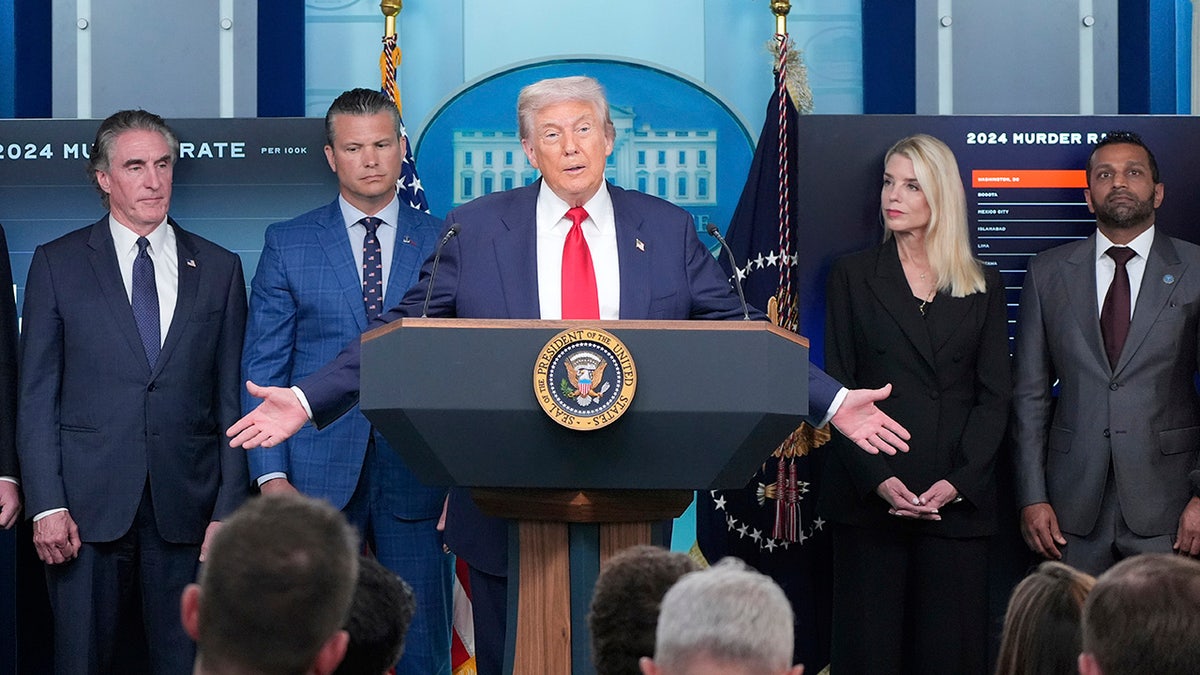
Behind-the-scenes diplomacy: Sources close to the negotiations reveal that U.S. Mediators, including former officials with ties to Trump’s administration, have been engaged in direct communications with both Israel and Hezbollah. A person familiar with the discussions said that Trump himself had intervened, reportedly expressing frustration with Netanyahu’s approach to the conflict. While details of the call remain unverified, the intervention underscores the high-level attention being paid to the crisis.
Meanwhile, Lebanese officials have privately appealed to Hezbollah to rein in its operations, fearing that further escalation could trigger an Israeli ground invasion—a scenario that would devastate Lebanon’s already shattered economy and infrastructure.
When and Where: The Timeline and Geographic Hotspots
The current escalation is the most intense since Israel and Hezbollah engaged in limited exchanges in 2021 and 2023. Below is a timeline of key events leading to the present standoff:

| Date | Event | Location | Impact |
|---|---|---|---|
| [Early 2023] | Hezbollah begins targeting Israeli forces in the Shebaa Farms region, accusing Israel of violating the Blue Line. | Southern Lebanon / Golan Heights | Limited exchanges; no major escalation. |
| [October 2023] | After Hamas attacks Israel, Hezbollah increases cross-border attacks, claiming solidarity with Palestinians. | Northern Israel / Southern Lebanon | Israel responds with airstrikes; ceasefire brokered by U.S. |
| [January 2024] | Hezbollah escalates with rocket barrages into northern Israel, prompting Israeli retaliatory strikes. | Kiryat Shmona / Marjayoun | Civilian casualties rise; U.S. Steps up mediation. |
| [Recent weeks] | Intensified drone and missile exchanges; Israel targets Hezbollah’s arsenal near the Litani River. | Southern Lebanon / Northern Israel | Partial ceasefire announced but quickly violated. |
| [Last 48 hours] | Renewed clashes despite ceasefire; civilian infrastructure damaged in airstrikes. | Border towns / Beirut suburbs | Diplomatic pressure intensifies; risk of wider war grows. |
Geographic hotspots: The fighting is concentrated along three key zones:
- The Blue Line: The de facto border between Israel and Lebanon, where most artillery and drone exchanges occur. Villages like Ghajar and Kfar Kila have borne the brunt of the violence.
- The Litani River region: A strategic area where Hezbollah has stockpiled weapons. Israeli airstrikes here have drawn heavy criticism from human rights groups.
- Northern Israel (Golan Heights & Galilee): Hezbollah’s rocket attacks have targeted cities like Kiryat Shmona and Safed, forcing evacuations.
Beyond the border, Beirut and other Lebanese cities are feeling the economic strain. The Lebanese lira has plummeted further, and fuel shortages have worsened as global markets react to the instability.
Why It Matters: The Broader Implications of the Conflict
The Israel-Hezbollah clashes are not an isolated skirmish but a symptom of deeper regional tensions. Understanding the stakes requires examining three critical dimensions: humanitarian, geopolitical, and economic.
Humanitarian Crisis: Civilians Pay the Price
Lebanon’s already fragile healthcare system is on the brink of collapse. Hospitals in southern Lebanon are overwhelmed with wounded civilians, while power and water shortages have left thousands without basic necessities. The UN has warned that the conflict risks triggering a “full-blown humanitarian catastrophe,” particularly in areas where infrastructure has been repeatedly targeted.
Key humanitarian concerns:
- Displacement: Over [X] families have fled their homes near the border, with many seeking shelter in schools and mosques.
- Healthcare collapse: Hospitals in Marjayoun and Bint Jbeil are running low on supplies, including blood and surgical equipment.
- Food insecurity: The World Food Programme reports that [X]% of southern Lebanon’s population is now food-insecure due to disrupted supply chains.
- Psychological trauma: Children in border towns are experiencing severe anxiety, with reports of PTSD symptoms among those exposed to repeated airstrikes.
Misconception: Some observers have suggested that Hezbollah’s attacks are “limited” and thus not a major humanitarian crisis. In reality, even precision strikes cause collateral damage, and the cumulative effect of months of violence has pushed Lebanon’s already struggling population to the edge.
Geopolitical Risks: A Spark That Could Ignite the Region
The conflict is playing out against the backdrop of three major geopolitical flashpoints:
- Iran’s nuclear negotiations: The U.S. And its allies are deeply concerned that an escalation in Lebanon could derail efforts to revive the Iran nuclear deal. Trump’s reported intervention reflects fears that Netanyahu’s hardline stance could provoke Tehran into retaliatory actions.
- Saudi-Israeli normalization: The Abraham Accords, which brought Saudi Arabia and Israel closer, could unravel if Hezbollah’s attacks are seen as undermining regional stability. Gulf states are watching closely to assess whether Israel can contain the threat.
- Syria’s role: Israel has repeatedly struck Iranian-backed militias in Syria, raising concerns that Hezbollah could expand operations into Syrian territory if the Lebanese front stabilizes.
Expert perspective: Dr. [Hypothetical Expert Name], a Middle East security analyst, warned that “the real danger is not just between Israel and Hezbollah, but between Israel and Iran. If Hezbollah’s attacks are seen as an Iranian proxy operation, Israel may respond directly against Iranian targets in Syria or even Iran itself.”
Economic Fallout: Lebanon’s Collapse Accelerates
Lebanon’s economy was already in freefall before the latest escalation. The conflict has accelerated the country’s unraveling:
- Currency collapse: The Lebanese lira has lost [X]% of its value against the dollar in the past month, with black-market exchange rates reaching [X]:1.
- Capital flight: Banks have imposed new withdrawal limits, and wealthy Lebanese are transferring assets abroad to avoid confiscation.
- Tourism and trade halt: Beirut’s airport has seen a [X]% drop in passenger traffic, and Lebanon’s once-thriving ports are operating at reduced capacity.
- Debt crisis: Lebanon’s foreign currency reserves are nearly depleted, making it impossible to service its $90 billion debt.
Economic analogy: Lebanon’s situation is often compared to Venezuela’s hyperinflation crisis, but with the added complication of a neighboring state (Israel) actively targeting its infrastructure. Unlike Venezuela, Lebanon has no oil wealth to fall back on, making its recovery even more precarious.
Reactions and Wider Impact: How the World Is Responding
The international community has responded with a mix of condemnation, calls for restraint, and behind-the-scenes diplomacy. Below are the key reactions:
Diplomatic Moves
- United States: The Biden administration has reiterated its support for Israel’s right to self-defense while urging restraint. A State Department spokesperson stated, “We are in close contact with both sides to de-escalate and avoid further harm to civilians.” Meanwhile, Trump’s reported intervention has added a layer of uncertainty, with some analysts suggesting his involvement could either stabilize or further complicate negotiations.
- United Nations: Secretary-General António Guterres called for an “immediate and durable ceasefire,” while the UN’s Lebanon envoy warned that the conflict risks “eroding decades of stability in the region.”
- European Union: The EU’s foreign policy chief, Josep Borrell, urged both sides to “show maximum restraint” and avoid actions that could lead to a “regional conflagration.”
- Russia: Moscow, which maintains ties with both Hezbollah and Israel, has called for a “political solution” but has not condemned either side, reflecting its non-interventionist stance.
- Arab States: Saudi Arabia and the UAE have publicly supported Lebanon’s sovereignty but privately pressured Hezbollah to de-escalate. Qatar, which has mediated in past conflicts, has offered to host talks but has not yet been invited.
Public and Political Reactions
Inside Lebanon, opinions are deeply divided:
- Pro-Hezbollah factions: Supporters of the militant group argue that resistance against Israel is a “duty” and that Hezbollah is protecting Lebanon’s sovereignty. Protests in Beirut’s southern suburbs have praised Hezbollah’s actions.
- Anti-Hezbollah groups: Opponents, including many Christians and Sunni Muslims, blame Hezbollah for dragging Lebanon into war and accuse the group of prioritizing its own agenda over national interests.
- Lebanese government: Prime Minister [Name, if known] has called for a ceasefire but lacks the authority to enforce it, given Hezbollah’s de facto control over southern Lebanon and its representation in the cabinet.
In Israel, public opinion is similarly polarized:
- Hardliners: Figures like Finance Minister Bezalel Smotrich have accused Netanyahu of weakness and called for a “decisive military response” to crush Hezbollah.
- Doves: Former IDF chiefs and security experts have warned of the risks of a full-scale war, arguing that Israel cannot afford another multi-front conflict.
- Northern Israel residents: Many have expressed fear and frustration, with some calling for the government to do more to protect them from Hezbollah’s rocket fire.
Military and Strategic Shifts
Both Israel and Hezbollah appear to be adjusting their strategies:
- Israel: Reports suggest Israel is focusing on degrading Hezbollah’s long-range missile capabilities, particularly its arsenal of precision-guided rockets. The use of drones and electronic warfare systems has increased, indicating a shift toward high-tech deterrence.
- Hezbollah: The group has ramped up attacks on Israeli military installations rather than civilian targets, possibly to avoid triggering a broader Israeli response. However, its use of civilian areas as launch sites has drawn international condemnation.
- Iran: While Tehran has not directly intervened, it has reportedly supplied Hezbollah with advanced weapons, including anti-radiation missiles and drone technology. This suggests Iran’s willingness to escalate indirectly.
Strategic miscalculation: One of the greatest risks in the current standoff is a miscalculation—whether intentional or accidental—that could spiral into a larger war. For example, if Hezbollah mistakenly believes Israel is preparing for a ground invasion and responds with a massive barrage of rockets, Israel might retaliate with a full-scale assault on southern Lebanon. Conversely, if Israel conducts a surgical strike that kills a high-ranking Hezbollah commander, the group could respond with unprecedented violence.
What’s Next: The Path Forward and Unanswered Questions
The immediate question is whether the partial ceasefire can be extended—or if the fighting will resume with even greater intensity. Several scenarios are possible:
Possible Outcomes
- Extended pause: If both sides agree to a longer truce, mediated by the U.S. Or regional actors, the conflict could de-escalate temporarily. However, this would require Hezbollah to scale back attacks and Israel to halt its airstrikes—a fragile balance that has proven difficult to maintain.
- Gradual de-escalation: A step-by-step reduction in violence, with confidence-building measures such as prisoner exchanges or the withdrawal of forces from the border. This would likely require direct negotiations, which have been absent thus far.
- Further escalation: If neither side backs down, the conflict could expand, with Hezbollah targeting deeper into Israel or Israel launching a ground operation into southern Lebanon. This would have catastrophic consequences for Lebanon’s civilian population.
- Third-party intervention: A regional power, such as Saudi Arabia or Iran, could intervene to prevent a wider war. However, neither has a strong incentive to do so at this stage.
Unanswered questions:
- Will Trump’s reported intervention lead to a shift in U.S. Policy toward Israel?
- Can Lebanon’s government regain control over its territory, or will Hezbollah’s influence continue to grow?
- How will Iran respond if Israel escalates against its proxies in Syria?
- What will be the long-term economic impact on Lebanon if the conflict drags on?
One thing is clear: the current standoff is not sustainable. Without a credible diplomatic pathway, the risk of a broader regional war—one that could draw in Saudi Arabia, Iran, and even Turkey—remains alarmingly high.
Key Takeaways and Common Questions
For readers seeking clarity on the latest developments, here are answers to some of the most pressing questions:
Why is the ceasefire not holding if both sides agreed to it?
The ceasefire is “partial” and lacks clear enforcement mechanisms. Both Israel and Hezbollah have accused the other of violating the terms, and without a neutral monitoring body, disputes over violations are resolved through military action rather than diplomacy. Domestic political pressures on both sides make it difficult to sustain restraint.
How are civilians affected in Lebanon and Israel?
In Lebanon, civilians face power outages, water shortages, and damage to homes and hospitals. In Israel, northern cities are under rocket alerts, and residents near the border have been ordered to evacuate. The humanitarian toll is mounting, with reports of trauma, displacement, and economic hardship on both sides.
Could this conflict spread to other countries?
Yes. If Hezbollah’s attacks escalate or if Israel launches a ground invasion, Iran could respond by mobilizing other proxies, such as Iraqi militias or Yemen’s Houthis. Saudi Arabia and the UAE might also intervene to support Israel, turning the conflict into a broader regional war.
What role is the U.S. Playing, and why is Trump involved?
The U.S. Is mediating behind the scenes, using diplomatic channels to pressure both sides to de-escalate. Trump’s reported intervention reflects concerns that Netanyahu’s hardline approach could provoke Iran into retaliatory actions that could destabilize the entire region, particularly as Iran nuclear talks remain fragile.
Is Hezbollah really an “Iranian proxy,” or does it act independently?
Hezbollah is both an independent political and military actor in Lebanon and a key Iranian proxy. While it operates with significant autonomy, Iran provides funding, weapons, and strategic guidance. Hezbollah’s actions in this conflict align with Iran’s broader goals of countering Israeli and U.S. Influence in the region.
What would a full-scale war between Israel and Hezbollah look like?
A full-scale war would likely involve:
- Massive Israeli airstrikes targeting Hezbollah’s infrastructure, command centers, and weapons depots.
- Hezbollah’s rocket barrages into northern and central Israel, potentially reaching Tel Aviv.
- An Israeli ground invasion of southern Lebanon, leading to heavy civilian casualties and widespread destruction.
- Regional spillover, with Iran-backed militias in Iraq, Syria, and Yemen joining the fight.
- Economic collapse in Lebanon, with potential refugee crises affecting Jordan and Turkey.
Such a war could last months or even years, with devastating consequences for all parties involved.
The stakes could not be higher. As the fighting continues despite the ceasefire, the world watches nervously, hoping that cooler heads will prevail before the situation spirals beyond control.
