Singapore Woman Dies in Bhutan After Falling Ill on Hike Down from Tiger’s Nest Monastery – CNA
A tragic incident has cast a shadow over the serene landscapes of Bhutan, following reports that a Singapore woman dies in Bhutan after falling ill on hike down from Tiger’s Nest Monastery – CNA. The event, which occurred at one of the most spiritually significant and physically demanding sites in the Himalayas, serves as a stark reminder of the inherent risks associated with high-altitude trekking and the unpredictability of health emergencies in remote terrains.
The incident has sparked widespread conversation regarding travel safety, the physiological demands of trekking in the Paro Valley, and the critical importance of medical preparedness for tourists visiting the “Land of the Thunder Dragon.” While Bhutan is renowned for its “High Value, Low Volume” tourism policy, the remote nature of its most iconic landmarks can complicate emergency medical evacuations and immediate care.
The Incident: A Tragic Descent from Paro Taktsang
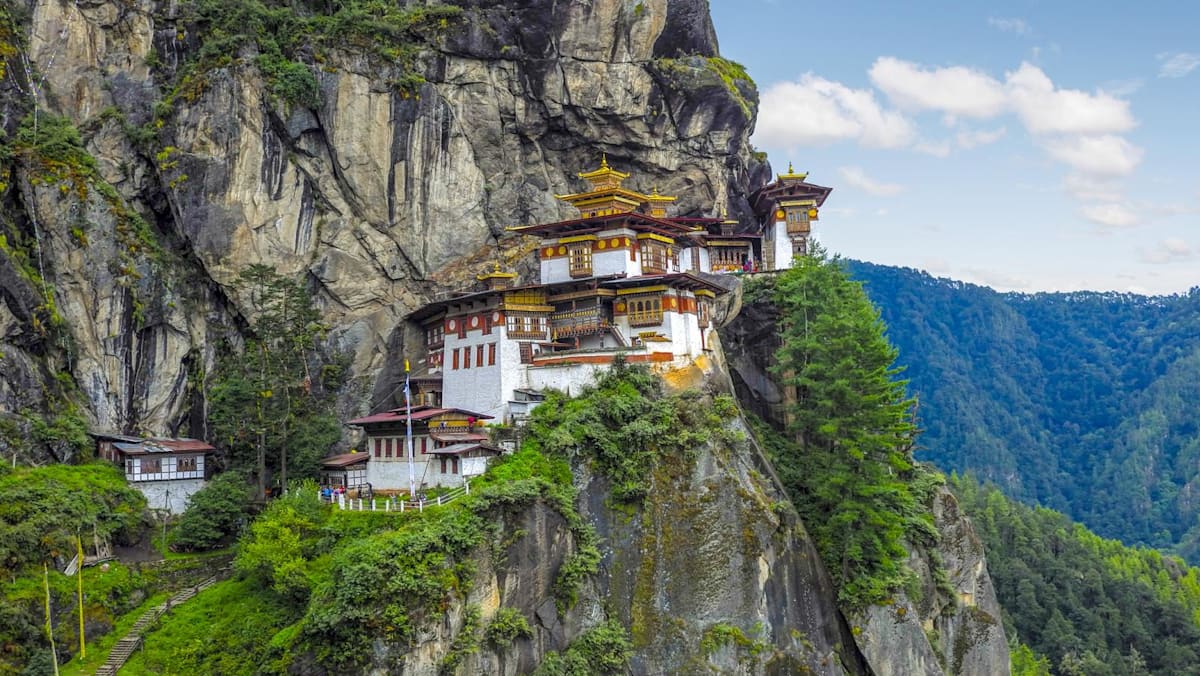
The tragedy unfolded during a visit to the Paro Taktsang, more commonly known as the Tiger’s Nest Monastery. This cliffside sanctuary, perched precariously over 3,000 meters above sea level, is a pilgrimage site for Buddhists and a “bucket list” destination for international travelers. For many, the journey to the monastery is the highlight of their Bhutanese expedition, but for one Singaporean national, it became a fatal ordeal.
According to available reports, the woman had successfully navigated the arduous ascent to the monastery. However, the crisis emerged during the descent. It is a common but dangerous misconception in mountaineering and trekking that the danger subsides once the peak or destination is reached. In reality, the descent is often when physical exhaustion peaks and the body begins to react to the cumulative stress of altitude and exertion.
The woman reportedly fell ill while making her way back down the mountain. Despite efforts to provide assistance, her condition deteriorated rapidly. The logistical challenges of the location—steep trails, narrow paths, and a significant distance from full-scale medical facilities in Paro town—likely exacerbated the urgency of the situation.
The descent from high-altitude landmarks is often more taxing on the cardiovascular system than the ascent, as muscles fatigue and the body struggles to regulate oxygen levels after peak exertion.
Timeline of the Event
While specific hourly timelines remain private for the family, the general sequence of events highlights the volatility of high-altitude health crises:
- The Ascent: The traveler completed the hike up to the Tiger’s Nest Monastery, a journey that involves steep climbs and fluctuating oxygen levels.
- The Peak: A period of rest and spiritual exploration at the monastery.
- The Descent: The onset of acute illness during the trek back down toward the valley floor.
- Emergency Response: Efforts by guides and local authorities to stabilize the individual and arrange transport.
- Outcome: The unfortunate passing of the Singaporean national.
Understanding the Terrain: The Challenge of Tiger’s Nest
To understand why an incident like this can occur, one must understand the geography of the Paro Taktsang. The monastery is not a casual walk; it is a rigorous hike that tests the endurance of even fit travelers.
The trail begins at approximately 2,200 meters and climbs steeply to the monastery, which sits at roughly 3,120 meters. This elevation gain, combined with the thin air of the Himalayas, places significant strain on the heart and lungs. For those arriving from sea-level cities like Singapore, the transition to these altitudes can be jarring if not managed with proper acclimatization.
| Feature | Detail | Impact on Hikers |
|---|---|---|
| Average Elevation | 3,120 Meters (approx.) | Reduced oxygen saturation (hypoxia) |
| Terrain Type | Steep, rocky, and narrow paths | High joint stress and physical fatigue |
| Climate | Variable; can shift from sunny to freezing | Risk of hypothermia or heat exhaustion |
| Accessibility | Remote; no vehicle access to the top | Delayed emergency medical response |
The Psychological Toll of the “Summit Fever”
Many tourists experience what is known as “summit fever”—an intense drive to reach the destination regardless of physical warning signs. In the case of the Singapore woman dies in Bhutan after falling ill on hike down from Tiger’s Nest Monastery – CNA, the successful reach of the top may have masked early symptoms of illness, which only became critical during the descent when the adrenaline subsided.
The Physiology of High-Altitude Illness
When traveling from a low-altitude environment to the mountains of Bhutan, the body undergoes a complex process of adaptation. The reduction in atmospheric pressure means there is less oxygen available with every breath. This can lead to a spectrum of conditions, ranging from mild to fatal.
Acute Mountain Sickness (AMS)
AMS is the most common form of altitude illness. Symptoms typically include headache, nausea, fatigue, and dizziness. While usually non-fatal, AMS can progress into more severe conditions if the person continues to ascend or fails to descend promptly.
High-Altitude Pulmonary Edema (HAPE)
HAPE is a more severe condition where fluid builds up in the lungs, making breathing extremely demanding. This can happen even during the descent if the body is in a state of shock or severe exhaustion. HAPE is a medical emergency and can lead to death if not treated with supplemental oxygen and immediate descent.
High-Altitude Cerebral Edema (HACE)
HACE involves the swelling of the brain, leading to confusion, loss of coordination (ataxia), and eventually coma. Like HAPE, HACE is a critical condition that requires immediate intervention.
In the context of the tragedy in Bhutan, a combination of pre-existing health conditions, dehydration, and altitude-induced stress played a role. Without a detailed autopsy and medical report, the exact cause remains speculative, but the environment of the Tiger’s Nest hike is a known catalyst for such health crises.
Bhutan’s Tourism Model and Safety Infrastructure
Bhutan operates a unique tourism model designed to prevent over-tourism and preserve its culture. The “High Value, Low Volume” approach ensures that visitors are typically accompanied by licensed guides and have pre-arranged itineraries. However, the physical geography of the country presents challenges that no amount of planning can entirely eliminate.
The Role of the Guide
In Bhutan, guides are trained to monitor the well-being of their clients. They are the first line of defense against altitude sickness. However, health crises can sometimes be “silent,” where a traveler may hide symptoms to avoid being told they cannot complete a hike, or the onset may be so sudden that it bypasses early detection.
Medical Access in Remote Areas
While Paro has medical facilities, the distance between the Tiger’s Nest cliff and a hospital is significant. Transporting an unconscious or critically ill patient down a steep mountain trail requires manual carrying or specialized stretchers, which consumes precious time during the “golden hour” of emergency medicine.
This incident highlights a critical gap in high-altitude tourism: the tension between the desire for “authentic, remote experiences” and the need for rapid-response medical infrastructure.
Essential Safety Guidelines for Trekking in the Himalayas
For those planning to visit Bhutan or other high-altitude regions, the tragedy involving the Singaporean woman serves as a vital lesson in safety. To minimize risk, travelers should adopt a rigorous approach to their health and preparation.
1. Prioritize Acclimatization
Do not rush into high-altitude hikes immediately upon arrival. Spend a few days at a moderate altitude to allow your blood chemistry to adjust. Drink plenty of water and avoid alcohol or heavy sedatives, which can suppress breathing during sleep.
2. Listen to Your Body
Ignore the pressure to “push through” the pain. If you experience a persistent headache, extreme shortness of breath, or disorientation, stop immediately. The most effective treatment for altitude sickness is descent.
3. Comprehensive Health Screenings
Before embarking on a trip to Bhutan, consult a physician. Those with cardiovascular issues, respiratory conditions (like asthma), or hypertension are at a higher risk during high-altitude treks.
4. Hydration and Nutrition
High altitude dehydrates the body faster than sea level. Maintain a strict hydration schedule and consume complex carbohydrates to provide the sustained energy required for steep descents.
For more information on preparing for international trips, you may find a related explainer on travel insurance and medical evacuation helpful.
Comparing High-Altitude Risks Globally
The incident in Bhutan is not an isolated phenomenon. Similar tragedies occur annually in the Andes of Peru, the Alps in Europe, and the Everest region of Nepal. The common thread is the intersection of human ambition and biological limits.
In Nepal, the “death zone” (above 8,000 meters) is well-documented, but fatalities often occur at much lower altitudes—between 3,000 and 5,000 meters—due to HAPE or HACE. The Tiger’s Nest hike, while not “mountaineering” in the professional sense, occupies a similar risk profile for an unacclimatized person because of the steepness and sudden elevation change.
Common Misconceptions About Altitude Safety
- “I’m fit, so I’m safe”: Physical fitness does not guarantee immunity to altitude sickness. In some cases, very fit people push themselves harder, ignoring symptoms until they become critical.
- “The descent is the straightforward part”: As seen in the case of the Singapore woman dies in Bhutan after falling ill on hike down from Tiger’s Nest Monastery – CNA, the descent can be where the body collapses after the exertion of the climb.
- “Oxygen tanks are only for Everest”: Portable oxygen can be a lifesaver even at 3,000 meters for individuals experiencing acute distress.
Implications for International Travelers
This event will likely prompt a review of safety protocols for tourists in Bhutan. There may be calls for more stringent health declarations before allowing visitors to attempt the hike to Paro Taktsang, or perhaps the introduction of more frequent medical checkpoints along the trail.
For Singaporeans and other international tourists, the incident emphasizes the necessity of comprehensive travel insurance that specifically covers emergency medical evacuation (medevac). In remote areas, the cost of a helicopter rescue can be astronomical, and the availability of such services is often the difference between life and death.
it encourages a shift in travel culture—from “conquering” a landmark to “respecting” the environment. The beauty of the Tiger’s Nest is undeniable, but its physical demands are absolute.
Frequently Asked Questions
Is the hike to Tiger’s Nest Monastery dangerous?
For most healthy individuals, the hike is safe and manageable. However, it is physically demanding and takes place at a high altitude. It can be dangerous for those with underlying heart or lung conditions, or those who do not properly acclimatize to the altitude.
What are the warning signs of altitude sickness during a hike?
Common warning signs include a throbbing headache, nausea, dizziness, extreme fatigue, and shortness of breath even while resting. If you notice a loss of coordination or mental confusion, it is a sign of a severe emergency.
How can I prepare for a trip to Bhutan to avoid health issues?
Consult a doctor before your trip, stay hydrated, allow 2-3 days for acclimatization in the valley before hiking, and always be honest with your guide about how you are feeling. Avoid over-exerting yourself on the first few days of your visit.
What should I do if a companion falls ill during a descent?
Immediately stop and assess their condition. If they are conscious, keep them warm and hydrated. Alert your guide or the nearest authority immediately. Do not attempt to force them to walk if they are disoriented; prioritize getting them to a lower altitude as quickly and safely as possible.
Does travel insurance cover altitude-related deaths or emergencies?
Most comprehensive travel insurance policies cover medical emergencies, but you must check if “high-altitude trekking” or “mountain hiking” is included. Ensure your policy specifically covers emergency medical evacuation via helicopter, as this is often the only way to get critical patients out of remote Bhutanese regions.
The loss of a life during a journey of spiritual discovery is a profound tragedy. As travelers continue to explore the hidden corners of the Himalayas, the balance between adventure and safety must remain the priority. The story of the Singaporean woman in Bhutan serves as a poignant reminder that the mountains, while gorgeous, demand our utmost respect and caution.
