
Scotland at the World Cup LIVE as Steve Clarke and Co warned of Haiti speedster’s threat – Daily Record
Scotland enters its 2026 World Cup fixture against Haiti facing tactical warnings over the opposition’s pace and the psychological pressure of a potential upset. According to reports from the Daily Record and The Guardian, manager Steve Clarke must account for a specific “speedster” threat from Haiti, while team selections and the status of key players like John McGinn remain uncertain.
What is the primary threat facing Scotland against Haiti?
The most immediate tactical concern for Steve Clarke is the raw pace of the Haiti attack. The Daily Record reports that Scotland has been warned specifically about a “Haiti speedster” whose ability to break through defenses could disrupt Scotland’s structural organization. This threat places a premium on the recovery speed of the Scottish backline and the discipline of the midfield screen.
Beyond the physical threat, there is a documented psychological burden. In a Q&A session reported by The Guardian, the prospect of losing to Haiti was addressed directly. The reporting indicates a candid admission that the fear of such a result is real, with the source stating, “Are you allowed to be scared of the prospect of losing to Haiti? Of course you are!”
This combination of a high-speed attacking threat and the high stakes of a potential upset creates a volatile environment for the Scottish camp. The pressure is not merely about the result, but the historical weight of a loss to a perceived underdog on the world stage.
How is Steve Clarke approaching team selection for the match?
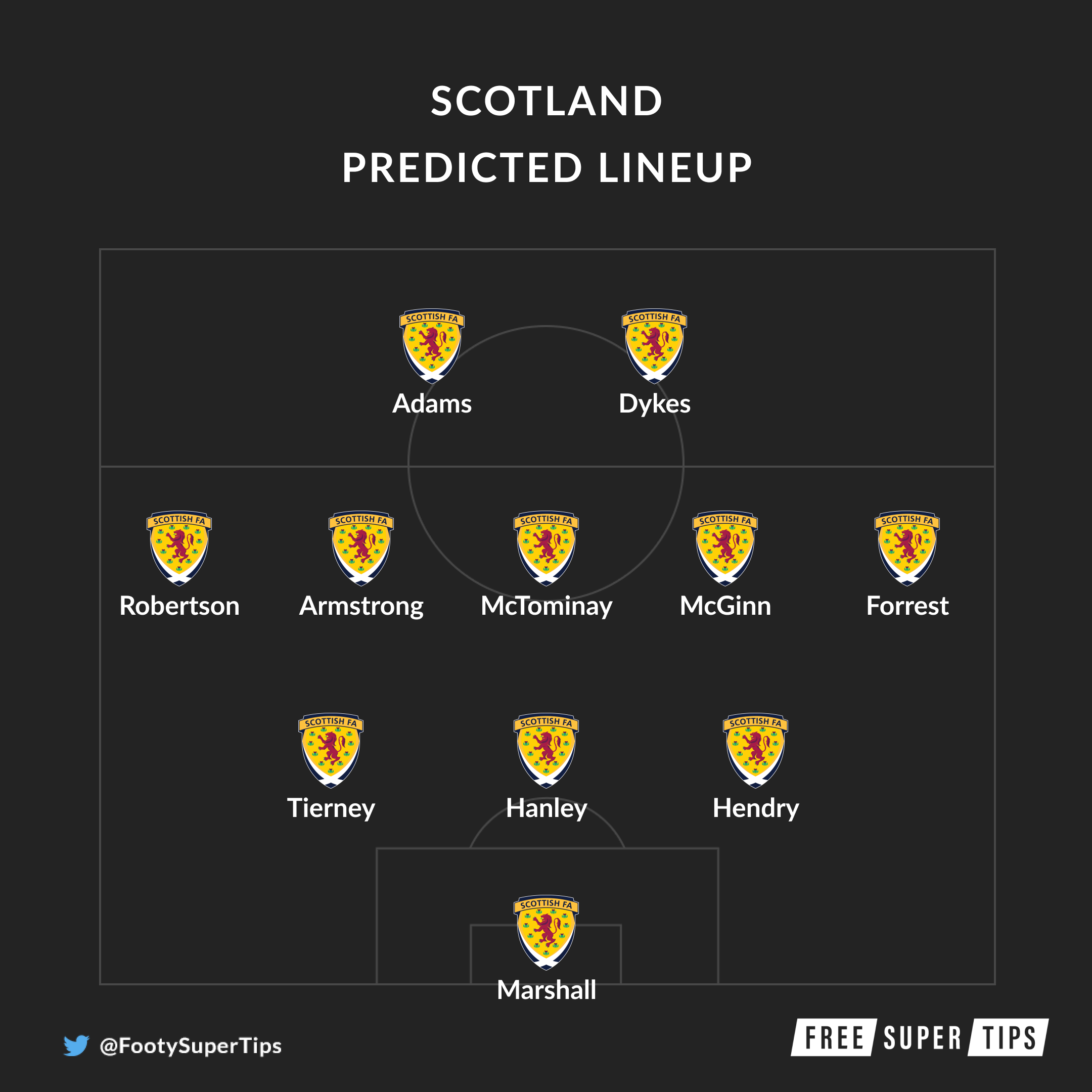
The Scotsman reports that Clarke is preparing to make “big calls” regarding the starting lineup, particularly in the defensive unit. While the specific names are subject to final confirmation, the reporting highlights a shift in strategy that involves the use of two strikers. This suggests an aggressive intent to overwhelm the Haiti defense, potentially sacrificing some midfield control to ensure a higher goal-scoring probability.
However, this aggressive posture comes with personnel costs. The Scotsman notes that one player has been “cruelly left out” of the selections. While the identity of the omitted player is a point of contention, the move signals Clarke’s willingness to prioritize tactical fit over individual sentiment or seniority.
Key tactical considerations for the starting XI include:
- Defensive Restructuring: Adjustments to the backline to counter the speed of the Haiti forwards.
- Forward Pressure: The deployment of two strikers to create a more direct attacking threat.
- Squad Rotation: Managing the fitness and psychological state of the players under high-pressure conditions.
Will John McGinn start or be benched against Haiti?
One of the most debated personnel decisions involves midfielder John McGinn. According to the BBC, there is significant speculation regarding whether McGinn will be left on the bench for the opening stages of the match. McGinn has long been a cornerstone of the Scottish midfield, but his inclusion in the starting eleven is no longer viewed as a certainty.

The decision to bench McGinn would represent a major shift in Clarke’s approach. It could indicate a desire for more mobility in the midfield to track the “speedster” threat mentioned by the Daily Record, or a tactical move to keep a primary playmaker in reserve for the second half when the Haiti defense may fatigue.
The BBC’s questioning of McGinn’s status underscores a broader tension in the camp: the balance between relying on proven veterans and adapting the lineup to meet the specific physical demands of a fast-paced opponent.
How can fans watch Haiti vs Scotland in the 2026 World Cup?
The BBC has confirmed the broadcasting details for the encounter. The match will be available for viewers via traditional television broadcasts and through the BBC iPlayer. In addition to the live match, the BBC will provide comprehensive coverage across its digital and broadcast platforms, including live updates and analysis.
| Platform | Availability | Coverage Type |
|---|---|---|
| BBC TV | Live Broadcast | Full Match |
| BBC iPlayer | Streaming | Live & On-Demand |
| BBC Digital | Web/App | Live Text Updates |
Comparing Media Perspectives on the Scotland-Haiti Matchup
Analysis of the reporting across different outlets reveals a contrast in how the narrative of this match is being framed. The focus shifts from tactical warnings to psychological pressure and personnel drama.
The Daily Record frames the story as a tactical alert, focusing on the physical threat of the Haiti speedster. This is a concrete, sports-centric warning aimed at the coaching staff’s preparation. In contrast, The Guardian focuses on the emotional stakes, highlighting the fear of failure and the psychological weight of the match. This framing treats the game as a mental battle as much as a physical one.
Meanwhile, The Scotsman and the BBC focus on personnel and logistics. The Scotsman emphasizes the “big calls” and the perceived cruelty of squad omissions, while the BBC concentrates on the specific status of John McGinn and the accessibility of the broadcast. These reports move away from the “threat” of Haiti and instead focus on the internal dynamics of the Scotland squad.
This divergence in reporting suggests that the match is being viewed through three distinct lenses: the tactical (speed), the psychological (fear), and the organizational (selection).
Why the “Two Striker” System Matters
The decision to field two strikers, as reported by The Scotsman, is a departure from more conservative setups. In international football, moving to a two-striker system often indicates a need to bypass a crowded midfield or to exploit a lack of height and strength in the opposition’s center-backs. By committing more players forward, Clarke is attempting to dictate the tempo and force Haiti into a defensive shell, thereby reducing the opportunities for their speedsters to counter-attack.
The Risk of the “Upset” Narrative
The admission in The Guardian that players and staff may be “scared” of losing is a rare glimpse into the pressure of the World Cup. When a team is labeled as the favorite against an opponent like Haiti, the psychological burden shifts. A win is expected and therefore provides little momentum, while a loss is catastrophic. This dynamic often leads to “tight” play, where players are more concerned with avoiding mistakes than taking the risks necessary to secure a victory.
For further insight into tournament dynamics, readers may find a related explainer on World Cup group stage psychology useful.
Common Misconceptions About the Matchup
A common oversimplification is that Scotland’s superior FIFA ranking or historical pedigree makes this a low-risk fixture. However, the reports from the Daily Record and The Guardian explicitly correct this notion. The “speedster” threat is a specific tactical variable that can neutralize a more technical team if not managed correctly.
Another misconception is that the squad is fully settled. The BBC’s report on John McGinn and The Scotsman’s report on “big calls” at the back demonstrate that Steve Clarke is still actively experimenting with the optimal lineup. The team is not a finished product, and the starting XI remains a point of significant uncertainty.
Frequently Asked Questions
Who is the “Haiti speedster” warned about by the Daily Record?
While the Daily Record highlights the threat of a specific speedster in the Haiti squad, the specific name was not provided in the initial reports. The warning emphasizes the player’s pace as a primary danger to the Scottish defense.
Is John McGinn guaranteed to start the match?
No. According to the BBC, there is ongoing speculation and questioning regarding whether McGinn will start or begin the match on the bench.
What tactical change is Steve Clarke making to the attack?
The Scotsman reports that Clarke is planning to use two strikers in the lineup, representing a more aggressive attacking approach than in previous fixtures.
Where can I watch the Scotland vs Haiti game?
The match will be broadcast on BBC TV and will be available for streaming via BBC iPlayer, according to the BBC.
Why is there talk of “fear” regarding this match?
As reported by The Guardian, the fear stems from the high stakes of the World Cup and the potential for a significant upset if Scotland loses to Haiti, which would have severe implications for their tournament progression.
The outcome of this match depends on whether Steve Clarke’s “big calls” in defense can neutralize Haiti’s pace while his two-striker system manages to break through the opposition’s lines. With key players like John McGinn in limbo and the psychological pressure mounting, the fixture is more complex than a simple ranking comparison suggests.
