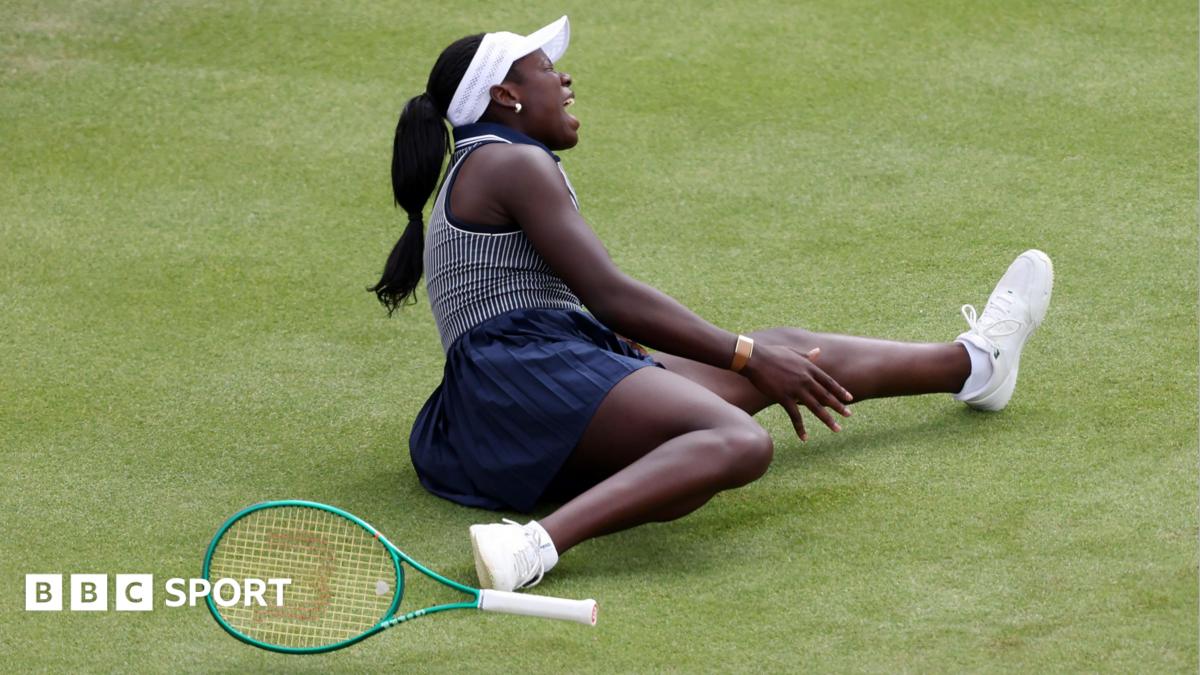
Williams’ Queen’s campaign in doubt after Mboko injury – BBC
Williams’ prospects at the Queen’s Club championships are currently uncertain following an injury to Mboko, according to recent reports. The setback creates immediate instability for the campaign, leaving the team to evaluate whether a withdrawal is necessary or if a modified approach can salvage their participation in the grass-court event.
How the Mboko injury affects the Williams campaign
The injury to Mboko has placed the current tournament trajectory for Williams in a precarious position. In professional tennis, particularly during the high-stakes transition to grass, the loss of a key partner or support figure can disrupt the tactical rhythm required to compete at the elite level. According to reporting on the situation, the severity of the injury is the primary factor determining whether the campaign continues or ends prematurely.
Grass is the most specialized surface in the sport. It requires specific movement patterns, lower centers of gravity, and precise timing. When a team or player faces a medical crisis just as the tournament begins, the ability to adapt is limited. For Williams, the absence or limited mobility of Mboko means a loss of the synergy developed during the lead-up to the event.
- Immediate Impact: Potential withdrawal from upcoming matches.
- Tactical Shift: Necessity to find an alternative partner or adjust playing style.
- Physical Toll: Increased pressure on Williams to cover more ground or handle more responsibilities.
Why the Queen’s Club tournament is critical for the season
The Queen’s Club championships serve as a primary barometer for success at Wimbledon. Because grass is played for such a short window each year, players use this event to calibrate their footwork and shot selection. A disrupted campaign here often correlates with a slower start at the All England Club.

According to tournament historians, the “Queen’s swing” is less about winning the trophy and more about finding “grass legs.” This involves adjusting to the lower bounce and the faster speed of the ball. If Williams is forced to withdraw or play with a compromised team due to the Mboko injury, the lack of match play on grass could leave a significant gap in preparation.
The stakes are higher than a single tournament result. Points earned at Queen’s influence seeding and rankings, which in turn dictate the difficulty of the draw in the subsequent Grand Slam. A “campaign in doubt” isn’t just a local problem; it is a strategic setback for the entire summer.
Comparing the impact of grass-season injuries
Injuries during the grass-court transition are common but devastating. To understand the gravity of the Mboko injury, it is helpful to look at how other professionals have handled similar setbacks during the June window.
| Scenario | Immediate Action | Long-term Result |
|---|---|---|
| Minor Strain (Mid-Tournament) | Medical timeouts / Reduced intensity | Often recover for Wimbledon but lack rhythm. |
| Major Injury (Pre-Tournament) | Complete withdrawal from warm-ups | High risk of early-round exits at the Grand Slam. |
| Partner Injury (Doubles/Team) | Last-minute substitution | Lack of chemistry leads to inconsistent performance. |
The current situation with Williams and Mboko mirrors the “Partner Injury” scenario. When chemistry is disrupted, the technical skill of the individual players often takes a backseat to the lack of coordination. This is why the report emphasizes that the entire campaign is “in doubt” rather than just a single match.
The physiological challenges of playing on grass
Tennis on grass is fundamentally different from clay or hard courts. The surface is slippery, and the friction is lower, meaning players must slide differently and stop more abruptly. These conditions make the ankles and knees particularly vulnerable.
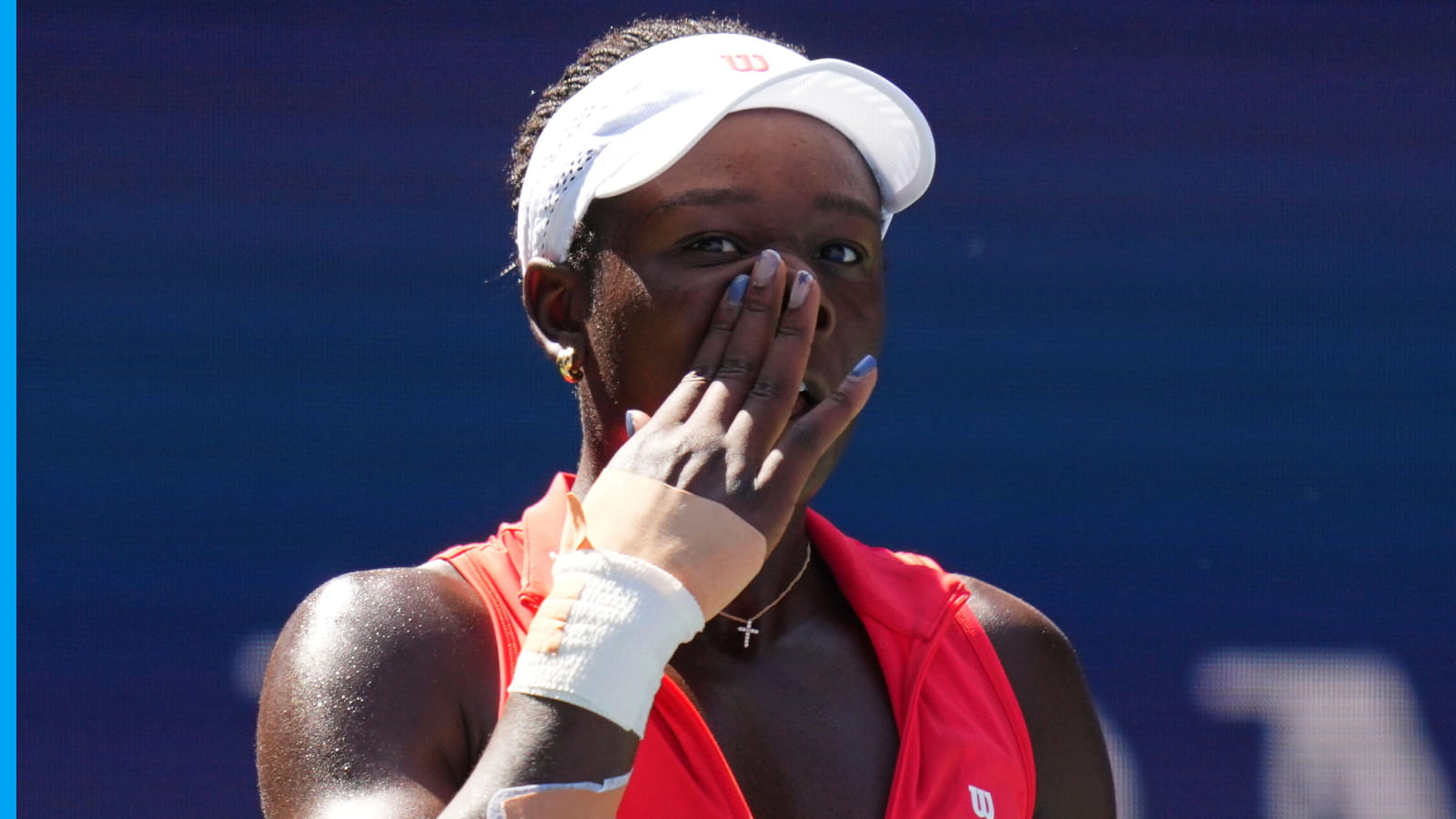
According to sports medicine standards, an injury in this environment often requires a more cautious recovery period because the risk of re-injury is higher on a slippery surface. If Mboko’s injury involves the lower extremities, the decision to withdraw is often a preventative measure to avoid a long-term career setback. For Williams, playing through a partner’s injury can lead to compensatory movements that increase the risk of a secondary injury.
Key factors in the recovery timeline:
- Inflammation Control: The first 48 to 72 hours are critical for reducing swelling.
- Surface Testing: A player cannot return to competition until they can execute a “split-step” on grass without pain.
- Load Management: Reducing the volume of practice to prioritize match-day energy.
Implications for the road to Wimbledon
The primary concern now is the timeline. Wimbledon begins shortly after the conclusion of the Queen’s Club event. There is very little room for a comprehensive rehabilitation program between the two. If the Mboko injury is severe enough to put the Queen’s campaign in doubt, it naturally raises questions about their viability for the championships.
A player who misses Queen’s must find alternative ways to gain grass-court experience. This often involves private practice sessions with other top-tier players, but these lack the psychological pressure of a competitive match. The “match toughness” developed during a tournament is impossible to replicate in a practice setting.
For Williams, the priority will be determining if Mboko can return in time for the first round of the Grand Slam. If the injury requires surgery or extensive physiotherapy, the partnership may be forced into a hiatus, requiring Williams to seek a new collaborator for the most prestigious event of the year.
Common misconceptions about tournament withdrawals
When a campaign is described as “in doubt,” fans often assume the player is simply avoiding a loss. However, professional withdrawals are typically based on data-driven medical assessments. In the modern era, teams use biometric tracking to determine if a player’s movement is compromised.
One common misconception is that a player can “play through the pain” using medication. While this happens, the lack of stability in a joint or the reduced power in a muscle often makes the player a liability on the court. On grass, where precision is everything, a 5% drop in mobility can lead to a 50% drop in efficiency. This is why the decision to withdraw is often a strategic move to protect the player’s long-term health and ranking.
Another misunderstanding is the role of the “alternate” player. While some tournaments allow substitutes, the rules for doubles and specific team entries are rigid. If a partnership is registered and one member is injured, the team often cannot simply swap in a new player without starting from the qualifying rounds or facing a total disqualification from the main draw.
What to monitor in the coming days
The resolution of this situation will likely follow a specific pattern of announcements. First, the team will likely issue a medical update regarding the specific nature of Mboko’s injury. Following this, a decision on the “Withdrawal Deadline” will be made. Most tournaments have a strict cutoff time after which a player cannot withdraw without facing fines or losing a spot in the draw.
Observers should look for these specific indicators:
- Practice Court Presence: If Mboko is seen on the practice courts, even in a limited capacity, the campaign may continue.
- Official Draw Changes: Any movement in the tournament bracket will signal a formal withdrawal.
- Press Conference Tone: Statements from Williams regarding “optimism” versus “realism” will provide clues about the internal medical prognosis.
The intersection of health and timing is the most volatile part of a tennis season. The Mboko injury is a reminder that the margin between a successful grass-court run and a season-ending setback is razor-thin.
Frequently Asked Questions
How does an injury at Queen’s Club affect Wimbledon seeding?
While the tournament itself doesn’t grant the majority of ranking points, a poor performance or withdrawal can lead to a drop in the ATP/WTA rankings, potentially resulting in a lower seed at Wimbledon and a tougher early-round draw.
Can Williams find a replacement for Mboko mid-tournament?
Generally, no. Once the main draw is set, players cannot swap partners for doubles events. A withdrawal usually means the team is out of the competition entirely.
Why is grass more dangerous for injuries than clay?
Grass has significantly less traction. The lack of grip can lead to sudden twists of the ankle or knee, whereas clay allows players to slide more predictably, distributing the force of the movement.
What is the typical recovery time for a grass-court strain?
Minor strains can be managed in 3 to 7 days with aggressive physiotherapy. However, structural injuries (like ligament tears) can take weeks or months, effectively ending the grass season.
Will this injury impact the players’ rankings?
If the players were defending points from the previous year at Queen’s, a withdrawal would result in a loss of those points, potentially causing a dip in their global standing.
The current uncertainty surrounding the Williams campaign highlights the fragility of the professional tennis calendar. With the Mboko injury creating a void in the team’s structure, the focus now shifts from tactical preparation to medical recovery. Whether the campaign can be salvaged depends entirely on the next few diagnostic reports and the speed of the healing process.
