
Early signs of dementia often appear as subtle shifts in memory, mood, and cognitive ability. According to health reporting on early detection, 17 specific warning signs—including disorientation and difficulty with familiar tasks—can indicate the onset of cognitive decline, prompting the need for professional medical evaluation.
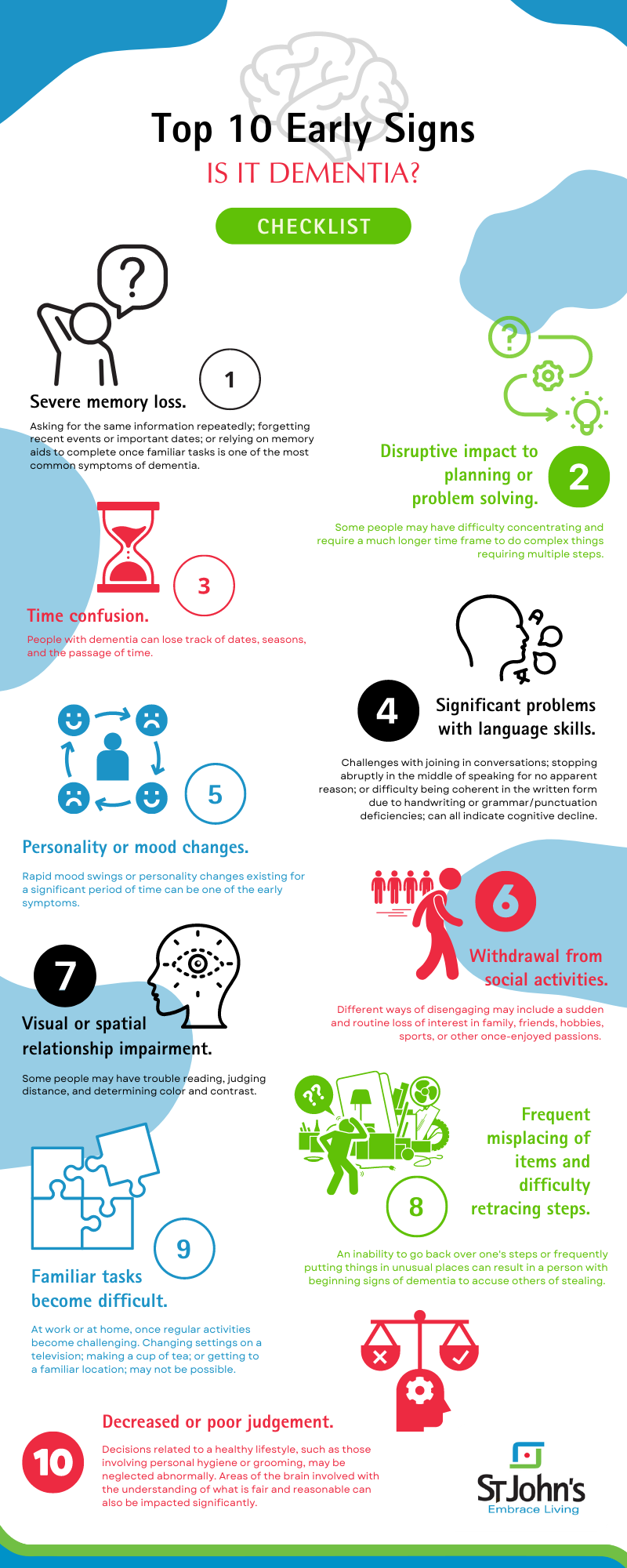
- Memory loss: Forgetting recently learned information or repeating questions.
- Cognitive struggle: Difficulty completing familiar tasks or solving simple problems.
- Disorientation: Confusion regarding dates, seasons, or current locations.
- Communication issues: Struggling to find the right words or follow a conversation.
- Behavioral shifts: Uncharacteristic irritability, anxiety, or social withdrawal.
Which cognitive changes indicate early dementia?
Cognitive decline typically manifests through a combination of memory lapses and functional impairments. According to the reported data, one of the most prominent indicators is the loss of short-term memory, where individuals forget recently acquired information but may remember events from decades prior.
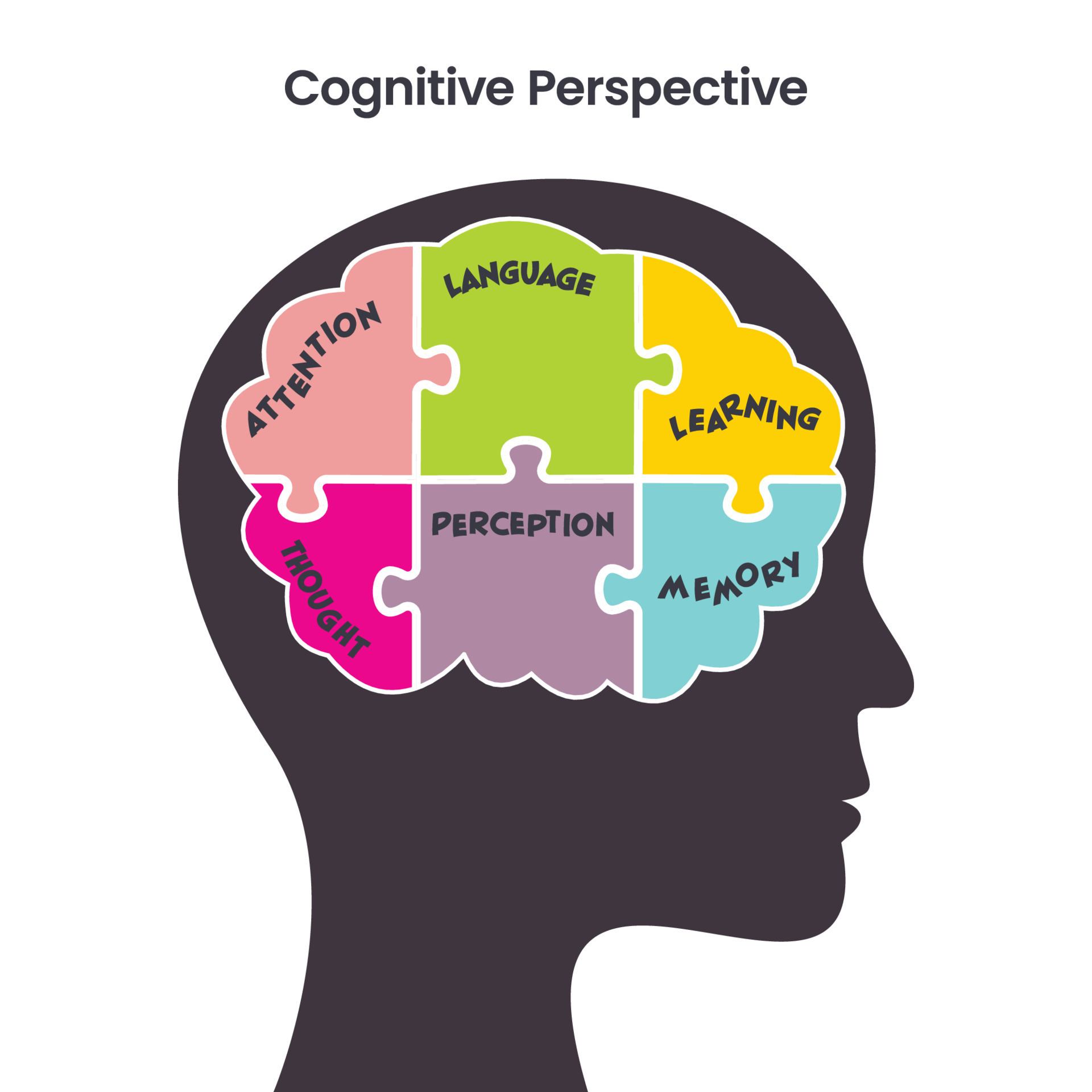
The report identifies several behavioral and mental markers that signal a potential issue:
- Task execution: Difficulty managing a budget or remembering the rules of a favorite game.
- Spatial awareness: Trouble understanding visual images or judging distances, which can affect driving.
- Object placement: Misplacing items in illogical places, such as putting a phone in the freezer, and an inability to retrace steps to find them.
- Judgment: A noticeable decline in decision-making, such as neglecting personal hygiene or falling for obvious financial scams.
How does dementia differ from typical age-related memory loss?
Distinguishing between normal aging and dementia is critical for accurate diagnosis. While occasional forgetfulness is common in older adults, dementia involves a progressive decline that interferes with daily independence. According to health guidance, a typical age-related lapse might involve forgetting a name but remembering it later; in contrast, a person with dementia may forget the name entirely or forget the person’s relationship to them.
The report also highlights personality changes as a differentiator. While mood swings can occur at any age, dementia often triggers a fundamental shift in temperament. This can include a loss of initiative in lifelong hobbies or a sudden onset of apathy and withdrawal from social circles.
What is the recommended response to these symptoms?
Health officials recommend that any individual or caregiver noticing these patterns seek a professional medical evaluation. Early detection is emphasized not because dementia is currently curable, but because early intervention can improve management and quality of life.
A clinical diagnosis typically involves a combination of the following:
- Medical history: A detailed review of symptoms and family history.
- Cognitive testing: Standardized assessments of memory, orientation, and language.
- Neurological exams: Physical tests to rule out other causes of cognitive impairment, such as vitamin deficiencies or thyroid issues.
According to the reporting, the presence of one or two signs does not guarantee a diagnosis of dementia, as other treatable conditions can mimic these symptoms. A comprehensive medical workup is the only way to confirm the cause of cognitive decline.
