
Gypsy Rose Blanchard Reveals Mom’s Chilling Last Words Before Her Murder – The Daily Beast
Gypsy Rose Blanchard has detailed the final moments of her mother, Dee Dee Blanchard, stating that Dee Dee asked her accomplice, Nicholas Godehardt, if he intended to kill her before he answered “yes.” These revelations, alongside new details regarding unnecessary medical procedures, provide further insight into the abuse that led to the 2015 homicide, according to reports from The Daily Beast, Page Six, and other outlets.
What were Dee Dee Blanchard’s last words to her killer?
In recent accounts of the events leading to her mother’s death, Gypsy Rose Blanchard described a stark exchange between Dee Dee Blanchard and Nicholas Godehardt. According to reports from The Daily Beast and Page Six, Dee Dee asked Godehardt directly if he was going to kill her moments before the murder took place. Godehardt responded with a definitive “yes,” a detail Blanchard characterizes as terrifying.
This interaction occurred during the final confrontation in June 2015. For years, Dee Dee had maintained a strict regime of control over Gypsy, fabricating a variety of medical conditions to keep her daughter isolated and dependent. The moment of the murder served as the violent culmination of a plot orchestrated by Gypsy and Godehardt to end that control. According to AOL, the recollection of these last words highlights the abrupt shift from a lifetime of psychological manipulation to a sudden, lethal reality.
The revelation of this dialogue adds a layer of psychological complexity to the case. While the murder was planned, the direct acknowledgment of the act by Godehardt underscores the finality of the situation. Blanchard’s recollection suggests that even in her final moments, the power dynamic that had defined her relationship with her daughter was replaced by the absolute power of the assailant.
How did Dee Dee Blanchard trick doctors into removing Gypsy’s salivary glands?
Beyond the circumstances of the murder, Gypsy Rose Blanchard has disclosed specific instances of medical abuse, including the unnecessary removal of her salivary glands. According to People.com and USA Today, Dee Dee Blanchard employed a calculated ruse to convince medical professionals that the surgery was a necessity.
Blanchard reports that her mother fabricated symptoms and manipulated medical records to mislead doctors. By presenting a false history of illness and claiming that the salivary glands were causing complications or were part of a larger, non-existent syndrome, Dee Dee persuaded surgeons to perform the procedure. This was not an isolated incident but part of a broader pattern of “medical child abuse,” often associated with Munchausen syndrome by proxy.
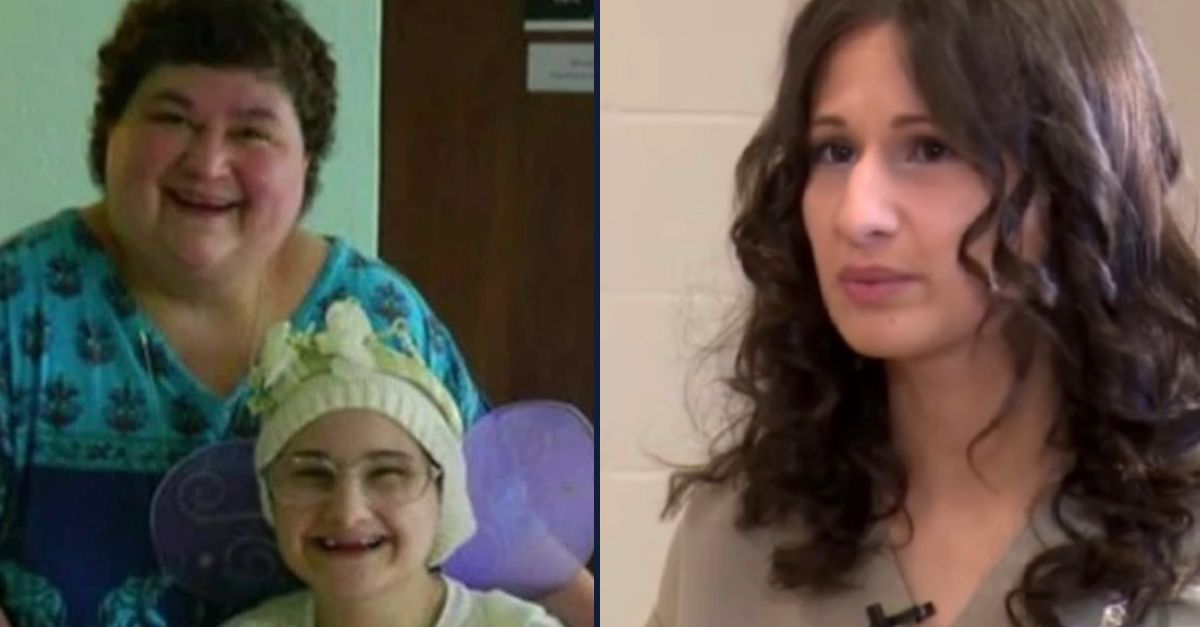
The removal of the salivary glands served two primary purposes for Dee Dee:
- Validation of the Lie: Having a daughter with surgical scars and missing organs provided “proof” to the outside world and medical staff that Gypsy was severely ill.
- Increased Dependency: Every unnecessary surgery and recovery period further tethered Gypsy to her mother, making it harder for her to imagine a life of independence.
According to USA Today, these medical interventions were performed on a child who was actually healthy, turning the healthcare system into a tool for abuse. This specific detail illustrates the depth of the deception Dee Dee maintained for nearly two decades.
What is the history of the medical abuse suffered by Gypsy Rose?
The removal of salivary glands was one of many medical traumas inflicted on Gypsy Rose Blanchard. According to court records and subsequent interviews, Dee Dee Blanchard convinced the public and various doctors that Gypsy suffered from leukemia, asthma, and muscular dystrophy, among other ailments. These diagnoses were entirely fabricated.
The abuse extended beyond surgeries to include the administration of unnecessary medications and the use of medical devices. According to reports, Gypsy was forced to use a wheelchair and a feeding tube despite having no physical need for them. This systemic deception allowed Dee Dee to garner significant sympathy and financial support from the community and charitable organizations.
The psychological impact of this abuse was profound. Blanchard has described the experience as a “prison” where her own body was used as a prop in her mother’s fantasy. The necessity of the ruse required Dee Dee to constantly monitor Gypsy’s behavior and speech, ensuring that any sign of health was suppressed or explained away as a temporary fluke.
| Fabricated Condition | Actual Status | Purpose of Deception |
|---|---|---|
| Leukemia | Healthy | Justify chemotherapy/hospitalization |
| Muscular Dystrophy | Healthy | Justify wheelchair use/immobility |
| Salivary Gland Issues | Healthy | Create surgical evidence of illness |
| Asthma/Respiratory Failure | Healthy | Justify constant medical supervision |
Why does this case remain a significant point of public interest?
The case of Gypsy Rose Blanchard continues to draw attention because it represents one of the most documented examples of Munchausen syndrome by proxy (now often referred to as Factitious Disorder Imposed on Another). The story challenges traditional views of victimhood and criminality, as the perpetrator of the murder was also a victim of extreme, long-term abuse.

Legal experts and psychologists often point to this case when discussing the “battered woman syndrome” or similar trauma-induced responses. The fact that Gypsy was convicted of second-degree manslaughter rather than first-degree murder reflects the court’s acknowledgment of the mitigating circumstances—specifically, the years of torture and medical manipulation she endured.
Furthermore, the release of Gypsy Rose Blanchard from prison in December 2023 has reignited discussions about rehabilitation and the possibility of recovery after such severe trauma. Her public transition from a convicted felon to a social media personality provides a real-time study in how the public perceives redemption and survival.
For more on how the legal system handles cases of extreme abuse, see a related explainer on mitigating circumstances in homicide cases.
What were the legal outcomes for those involved?
The legal proceedings following the June 2015 murder resulted in different outcomes for the two primary participants in the plot. Gypsy Rose Blanchard entered a plea deal, pleading guilty to second-degree manslaughter. She was sentenced to 10 years in prison, a sentence significantly shorter than the maximum possible for the crime, due to the evidence of Dee Dee’s abuse.
Nicholas Godehardt, the man who physically committed the murder, faced a different legal path. According to court records, Godehardt was charged with first-degree murder. His legal battle was more protracted, involving arguments over his mental state and the influence Gypsy had over him. While Gypsy was released in late 2023, Godehardt’s legal situation has remained more complex, reflecting the law’s distinction between the architect of a crime and the executioner.
The disparity in their sentencing highlights the judicial system’s attempt to balance the act of murder with the context of the motive. In Gypsy’s case, the motive was viewed through the lens of survival and escape from a life of torture.
How do these new revelations change the narrative of the crime?
The recent focus on the “last words” and the specific details of the salivary gland removal shifts the narrative from a simple “murder-for-freedom” story to a more nuanced exploration of psychological warfare. By highlighting the specific question Dee Dee asked—”Are you going to kill me?”—the story emphasizes the moment of realization for the victim.
Contrastingly, the details about the salivary glands emphasize the clinical nature of the abuse. While the murder was a sudden event, the medical abuse was a slow, methodical erasure of Gypsy’s autonomy. When outlets like People.com and USA Today focus on the surgical ruses, they move the conversation away from the violence of the death and toward the violence of the upbringing.
This dual focus allows the public to see Dee Dee Blanchard not just as a victim of a murder, but as a perpetrator of a lifelong crime. It reframes the 2015 event as the end of a long sequence of assaults rather than a standalone act of violence.
For a deeper look at the psychology of medical child abuse, you may find a related explainer on Factitious Disorder Imposed on Another useful.
Frequently Asked Questions
What were the last words Dee Dee Blanchard spoke?
According to Gypsy Rose Blanchard and reports from The Daily Beast and Page Six, Dee Dee asked Nicholas Godehardt if he was going to kill her. Godehardt answered “yes” before proceeding with the murder.
Why were Gypsy Rose Blanchard’s salivary glands removed?
According to People.com and USA Today, Dee Dee Blanchard tricked doctors into performing the surgery by fabricating symptoms. This was done to provide physical evidence of illness to medical professionals and to increase Gypsy’s dependency on her mother.
What is Munchausen syndrome by proxy?
It is a psychological disorder where a caregiver fakes or induces illness in a person under their care to gain attention or sympathy. In this case, Dee Dee Blanchard used this behavior to control Gypsy and deceive the medical community.
When was Gypsy Rose Blanchard released from prison?
Gypsy Rose Blanchard was released from prison in December 2023 after serving a portion of her 10-year sentence for second-degree manslaughter.
Who was Nicholas Godehardt?
Nicholas Godehardt was Gypsy Rose Blanchard’s boyfriend at the time of the crime and the individual who physically carried out the murder of Dee Dee Blanchard in 2015.
Was Gypsy Rose Blanchard’s illness real?
No. As established in court and confirmed by subsequent medical evaluations, the various illnesses Dee Dee Blanchard claimed Gypsy had—including leukemia and muscular dystrophy—were entirely fabricated.
