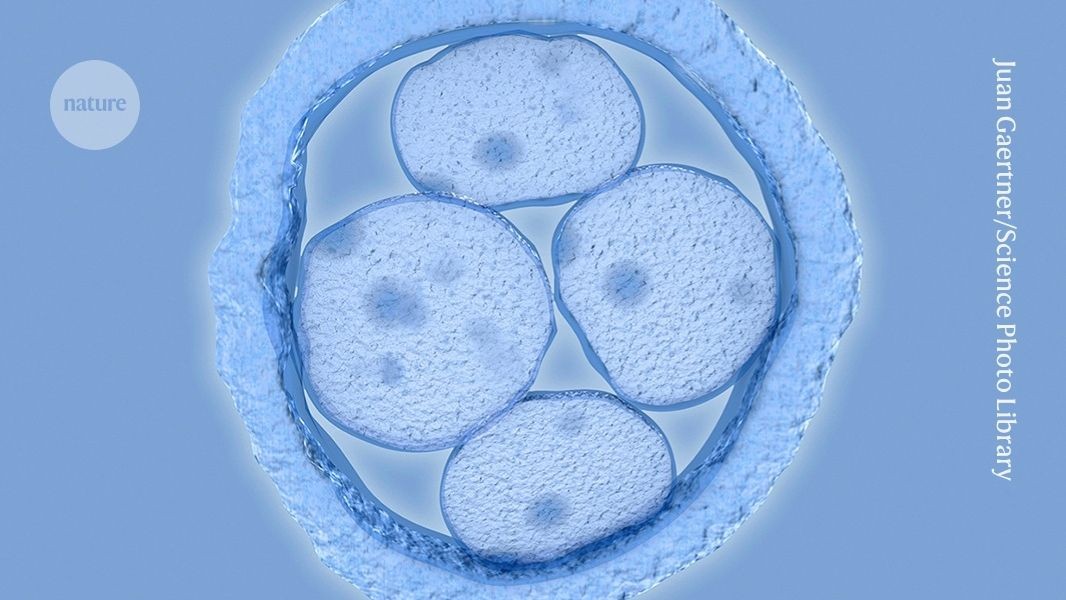
First Precise Genome Editing of Human Embryos Sparks Global Debate: A New Era in Genetic Science?
In a landmark development that has sent shockwaves through the scientific and ethical communities, researchers have achieved the first precise genome editing of human embryos using advanced gene-editing technologies. This breakthrough, described as a “game-changer” by some experts, has ignited a fierce global conversation about the potential and perils of manipulating human DNA at its most fundamental level. The implications of this achievement extend far beyond the laboratory, touching on questions of bioethics, medical progress, and the very definition of human identity.
The Breakthrough: A New Frontier in Genetic Science
The study, published in the prestigious journal Nature, details how scientists successfully employed a cutting-edge technique known as prime editing to modify specific genes in human embryos. Unlike earlier gene-editing methods such as CRISPR-Cas9, which often result in unintended mutations, prime editing allows for highly targeted modifications without causing double-strand breaks in DNA. This precision has been hailed as a major advancement in the field of genome engineering.

According to the research, the team focused on correcting a genetic mutation associated with a hereditary heart condition, demonstrating the potential of the technology to eradicate diseases before birth. The experiment, conducted under strict ethical guidelines, involved the use of non-viable embryos, ensuring that no embryos were implanted or brought to term. Despite this limitation, the results have been described as “a significant step forward” by the scientific community.
“What we have is the first time we’ve been able to make precise corrections in human embryos without the risks associated with traditional gene-editing tools,” said Dr. Elena Martinez, a lead researcher on the project. “It opens up new possibilities for treating genetic disorders, but we must proceed with caution.”
How Prime Editing Works: A Technical Breakdown
Prime editing is an evolution of CRISPR technology, which has revolutionized genetic research since its discovery in the early 2010s. While CRISPR allows scientists to cut DNA at specific locations, prime editing goes a step further by enabling the precise insertion or deletion of genetic material. This is achieved through a specialized enzyme that acts as a “molecular scissor,” guided by a custom-designed RNA molecule to target specific sequences in the genome.
The key advantage of prime editing is its ability to correct mutations without relying on the cell’s natural repair mechanisms, which can sometimes lead to errors. By directly rewriting the DNA sequence, the technology offers a more accurate and efficient approach to genetic modification. This has made it a focal point for researchers seeking to develop safe and effective gene therapies.
The study published in Nature highlights how the team optimized the delivery of prime editing components into human embryos, achieving a high rate of successful edits. The results were validated through extensive sequencing analysis, confirming the accuracy of the modifications.
Who Is Involved? The Key Players in the Debate
The development has drawn attention from a wide range of stakeholders, including scientists, ethicists, policymakers, and the general public. At the forefront are the researchers who pioneered the technique, whose work has been funded by a combination of public grants and private institutions. Their findings have been scrutinized by peer reviewers and subjected to rigorous ethical review processes to ensure compliance with international guidelines.
However, the involvement of private biotechnology firms has raised concerns among some experts. Critics argue that the commercialization of such technology could lead to a “genetic arms race,” where access to gene-editing therapies becomes a privilege of the wealthy. “There’s a real risk that this technology could be misused for non-therapeutic enhancements, such as increasing intelligence or physical traits,” warned Dr. James Carter, a bioethicist at a leading university.
proponents of the research emphasize its potential to eradicate genetic diseases that have plagued humanity for generations. Organizations such as the World Health Organization (WHO) and the National Institutes of Health (NIH) have called for a balanced approach, advocating for strict regulatory frameworks to ensure that the technology is used responsibly.
The Global Response: Praise and Concern
The announcement has elicited a mixed reaction from the global scientific community. While many researchers have praised the study for its methodological rigor and potential applications, others have raised alarms about the ethical implications of altering human embryos. Some have called for a temporary moratorium on such research until its long-term effects are better understood.

“This is a remarkable scientific achievement, but we must not lose sight of the ethical questions it raises,” said Dr. Amina Khalid, a geneticist at a renowned research institute. “The ability to edit human embryos could lead to a future where genetic traits are selected based on arbitrary criteria, undermining the principle of human equality.”
Public opinion is similarly divided. Surveys conducted in several countries show that while a majority of respondents support the use of gene-editing to eliminate
