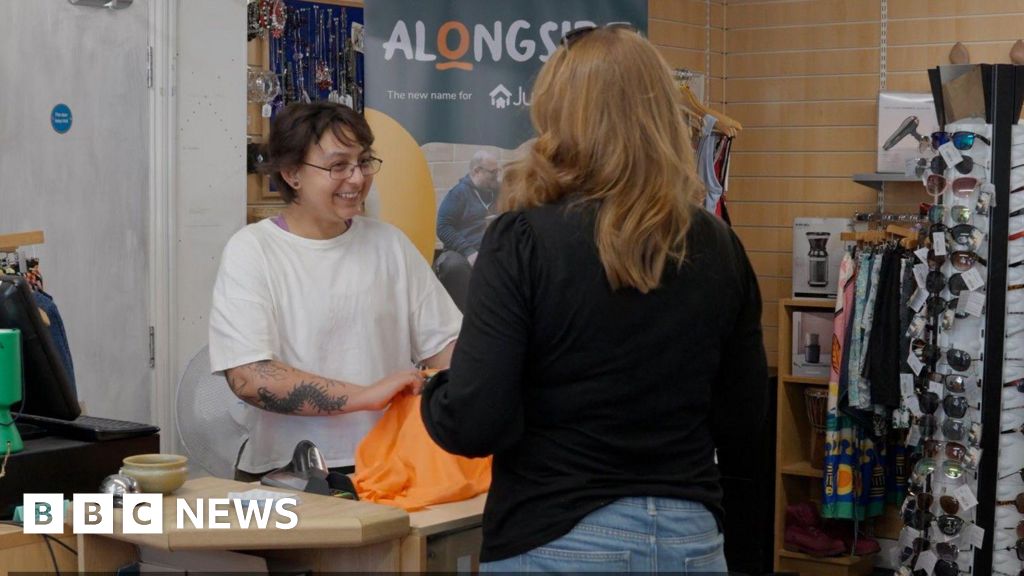
Charity shops cut back as costs rise and funding is squeezed – BBC reports sectoral crisis
Charity shops across the UK are reducing operations and closing branches as rising operational costs and funding shortages pressure the sector, according to reports from the BBC and other news outlets. The British Heart Foundation is among the largest organizations affected, with plans to shutter 150 stores to maintain financial viability.
Why are charity shops closing across the UK?
The decline in charity shop numbers stems from a combination of surging overheads and a contraction in available funding. According to the BBC, charity shops are cutting back as costs rise and funding is squeezed, leaving many organizations unable to sustain their current physical footprints. This financial pressure is not limited to small local entities but affects major national charities.
Rising costs typically include increased energy bills for heating and lighting storefronts, higher business rates, and the growing cost of logistics for transporting donated goods. When these expenses outpace the revenue generated from sales, the stores transition from funding the charity’s core mission to becoming a financial drain.
The operational model of these shops relies on a steady stream of high-quality donations and a reliable volunteer workforce. However, economic instability has impacted both. Many donors are struggling with their own cost-of-living increases, which can affect the volume and quality of items donated, while the cost of maintaining a physical presence on the high street continues to climb.
- Operational Overheads: Increased utility costs and rent.
- Funding Gaps: A reduction in grants and individual donations.
- Logistical Costs: Higher fuel and transport costs for moving stock.
- Market Saturation: An increase in the number of charity shops competing for the same donations.
British Heart Foundation to shutter 150 stores
One of the most significant examples of this trend is the British Heart Foundation (BHF). According to Fashionunited.uk, the BHF is preparing to close 150 of its stores. This move represents a strategic retreat to ensure that the organization can continue to fund its critical research and healthcare initiatives without being undermined by unsustainable retail losses.

The impact of these closures is felt at the local level. For instance, the West Somerset Free Press reports that a decision is currently awaited on the possible closure of the BHF charity shop in Minehead. This specific case highlights how national strategic decisions result in the loss of community hubs and local employment opportunities.
The BHF’s decision to reduce its estate suggests that even high-volume retailers in the charity sector are finding the current economic climate untenable. By closing underperforming or high-cost locations, the organization aims to protect its primary funding streams for heart health research.
The impact on the UK high street
The disappearance of charity shops is contributing to a broader decline in town centers. The Daily Express has characterized these closures as a “cancer killing off our high streets,” suggesting that the loss of these stores leaves vacant units that are difficult to fill, further eroding the vibrancy of local shopping districts.
Charity shops often serve as “anchor” stores in smaller towns, attracting footfall that benefits neighboring businesses. When a charity shop closes, it removes a reason for residents to visit the high street, potentially triggering a domino effect of further closures among commercial retailers.
Beyond the economic impact, these shops provide essential low-cost clothing and household goods for low-income families. Their removal creates “desert” areas where affordable essential goods are no longer accessible within walking distance for the most vulnerable populations.
| Impact Area | Consequence of Closures | Primary Driver |
|---|---|---|
| Local Economy | Increased vacant storefronts; lower footfall | High business rates and rent |
| Social Support | Loss of affordable clothing and goods | Squeezed funding and rising costs |
| Charity Mission | Reduced revenue for research/care | Operational deficits in retail |
| Community | Loss of volunteer opportunities | Store consolidation strategies |
Political tensions and the role of taxation
The crisis in the charity retail sector has become a point of political contention. The Scottish National Party (SNP) has warned that proposed tax hikes by the Labour government could exacerbate the problem. According to the Morning Star, the SNP claims that such tax increases could see charity shops “wiped from our local high streets.”
The core of this political argument centers on the balance between government revenue and the protections afforded to non-profit organizations. While charities often receive business rate relief, any changes to tax structures or the removal of existing subsidies could make the remaining stores financially unviable.
The SNP’s warnings suggest that without specific government intervention or tax protections, the trend of closures reported by the BBC will accelerate, moving from strategic reductions to a wholesale collapse of the charity retail model in certain regions.
This tension highlights a critical dilemma: governments need tax revenue to fund public services, but the charities that provide complementary social services rely on the very tax breaks and funding environments that are currently under pressure.
Comparing media perspectives on the retail crisis
Different news outlets have framed the charity shop crisis through varying lenses, reflecting different priorities in their reporting. While the factual core remains the same—stores are closing due to costs—the narrative differs significantly.

“The BBC focuses on the systemic economic pressure, framing the issue as a result of ‘costs rising and funding being squeezed.’ In contrast, the Daily Express uses more visceral language, describing the closures as a ‘cancer’ affecting the high street, shifting the focus from the charity’s balance sheet to the visual and social decay of urban centers.”
Furthermore, the Morning Star emphasizes the political agency behind the crisis, attributing potential future closures to specific government policy and tax hikes. This contrasts with the reporting in the West Somerset Free Press, which focuses on the immediate, tangible anxiety of a single community awaiting a decision on a local store.
These differing perspectives show that the issue is simultaneously an economic trend (BBC), a social tragedy (Daily Express), a political weapon (Morning Star), and a local crisis (West Somerset Free Press).
Key differences in framing:
- Economic Lens: Focuses on inflation, overheads, and funding gaps.
- Urban Lens: Focuses on the “death of the high street” and vacant units.
- Political Lens: Focuses on tax policy and government accountability.
- Local Lens: Focuses on the loss of specific community assets.
The cycle of charity retail instability
To understand why this is happening now, it is necessary to look at the cycle of charity retail. Traditionally, a charity shop operates on a low-cost model: it receives free stock (donations), uses free or low-cost labor (volunteers), and sells items at a profit to fund a cause. This model is highly resilient during stable economic times but vulnerable during periods of high inflation.
When inflation hits, two things happen simultaneously. First, the “cost to sell” increases. Even if the stock is free, the electricity to keep the lights on and the fuel to move the stock are not. Second, the “value of the sale” may drop if consumers have less disposable income to spend on non-essential vintage or second-hand items.
This creates a “scissors effect” where costs rise and revenues plateau or fall. For an organization like the British Heart Foundation, which manages a massive portfolio of stores, the decision to close 150 branches is a move to stop the “bleeding” from stores that no longer contribute positively to the charity’s bottom line.
For those interested in how this fits into the broader economic picture, a related explainer on UK inflation trends may provide further context on how overheads have shifted for small businesses and non-profits over the last three years.
Common misconceptions about charity shop closures
There is a common belief that charity shops are “safe” from the economic pressures that kill commercial retailers because they do not pay for their stock. This is a significant oversimplification. While the cost of goods sold (COGS) is near zero, the fixed costs of operating a physical storefront—rent, rates, utilities, and insurance—are nearly identical to those of a commercial shop.

Another misconception is that an increase in “sustainable shopping” and “thrifting” trends should automatically protect these stores. While it is true that second-hand shopping has become more popular with younger demographics, this increased demand does not always translate into higher profits if the costs of running the store rise faster than the sales growth.
Finally, some assume that charities can simply “absorb” the losses using other funding sources. However, most major charities operate on tight budgets where retail income is a primary pillar. If the retail arm begins to lose money, it directly reduces the amount of funding available for medical research, poverty relief, or animal welfare.
Frequently Asked Questions
Why is the British Heart Foundation closing so many stores?
According to reports from Fashionunited.uk, the BHF is preparing to shutter 150 stores to manage rising operational costs and ensure that funds are directed toward their core mission of heart health research rather than sustaining loss-making retail locations.
Will tax hikes lead to more charity shop closures?
The SNP has warned in the Morning Star that Labour tax hikes could potentially “wipe” charity shops from high streets, suggesting that increased tax burdens on the sector could make remaining stores unviable.

What is the main cause of the “squeezed funding” mentioned by the BBC?
The “squeezed funding” refers to a combination of rising overheads (such as energy and business rates) and a potential decrease in the volume or value of donations and grants as the general public also faces cost-of-living pressures.
How do charity shop closures affect local communities?
Beyond the loss of affordable goods, closures contribute to the decline of the high street by increasing the number of vacant units, which the Daily Express suggests accelerates the decay of town centers and reduces overall footfall for other local businesses.
Can volunteers stop these closures?
While volunteers are essential for operation, they cannot offset fixed financial costs like rent and electricity. Closures are typically driven by systemic financial deficits that cannot be solved by labor alone.
The current trajectory of the charity retail sector indicates a period of consolidation. As organizations like the BHF resize their estates, the focus is shifting toward efficiency and the reduction of physical overheads. The outcome of this transition will depend largely on future government policy regarding business rates and the ability of charities to adapt their retail models to a high-cost environment.
