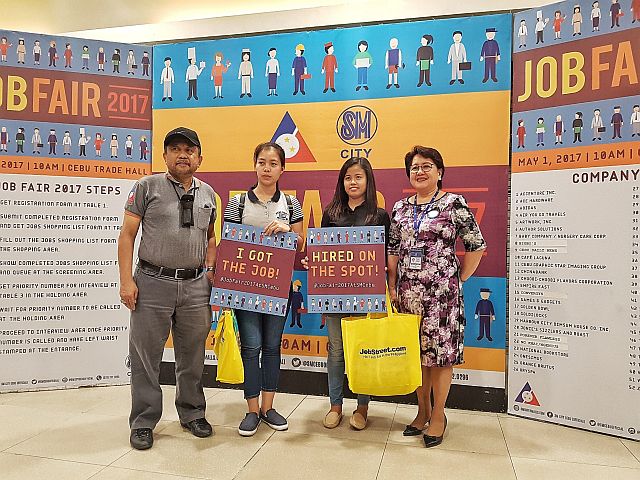
260 Job Seekers Hired on the Spot at Cebu Independence Day Job Fair
Two hundred sixty job seekers secured immediate employment during the Cebu Independence Day job fair, according to Cebu Daily News. This event formed part of a broader national effort by the Department of Labor and Employment (DOLE) to offer more than 95,000 job opportunities across the Philippines in celebration of the country’s 128th Independence Day.
How the Cebu Independence Day Job Fair Impacted Local Employment
The Cebu Independence Day job fair resulted in 260 individuals being hired on the spot, a metric that indicates immediate matching between employer requirements and applicant qualifications. According to Cebu Daily News, these “hired on the spot” (HOTS) results represent a streamlined recruitment process where interviews and hiring decisions occur within a single event.
This immediate hiring trend extended to new entrants in the workforce. The Philippine News Agency reported that first-time job seekers were among those hired on the spot at the Kalayaan (Independence) job fairs. For these individuals, the event bypassed the traditional multi-week application and screening cycle, providing immediate entry into the professional labor market.
The efficiency of the Cebu event highlights a specific recruitment strategy focused on “on-the-spot” results rather than merely collecting resumes for future review. This approach reduces the time-to-hire for companies and provides instant economic relief for the applicants.
The Scope of DOLE’s Nationwide Independence Day Employment Drive
The Cebu event was not an isolated occurrence but a component of a massive logistical operation by the Department of Labor and Employment. According to ditosapilipinas.com, DOLE aimed to offer over 95,000 jobs through a series of nationwide Independence Day job fairs.
These fairs are designed to decentralize employment opportunities, bringing employers directly to various provinces to reduce the need for job seekers to travel to major metropolitan hubs. By aligning these fairs with the 128th Independence Day, the government frames employment as a cornerstone of national sovereignty and individual freedom.
Regional Variations in Job Availability
While the Cebu report focused on immediate hires, other regions reported different metrics of success, focusing on the volume of available vacancies. In Cagayan, for instance, 1,500 job vacancies were offered during the Independence Day celebrations, according to Inquirer.net.
Further south, the Department of Labor and Employment in Western Visayas (DOLE-6) reported an even larger scale of opportunity. According to a DOLE-6 announcement on Facebook, more than 5,000 local and overseas job opportunities were made available to seekers on June 12. This indicates a significant focus on both domestic stability and the overseas Filipino worker (OFW) market in the Western Visayas region.
| Region/Scope | Metric Reported | Data Type | Source |
|---|---|---|---|
| Cebu | 260 | Hired on the spot | Cebu Daily News |
| Cagayan | 1,500 | Vacancies offered | Inquirer.net |
| Western Visayas | 5,000+ | Opportunities available | DOLE-6 |
| Nationwide | 95,000+ | Total jobs offered | ditosapilipinas.com |
Why “Hired on the Spot” Matters for the Philippine Economy
The distinction between “vacancies offered” and “hired on the spot” is critical for understanding the actual impact of these fairs. A vacancy is a possibility; a “hired on the spot” result is a confirmed economic transaction. When 260 people are hired immediately in a single city like Cebu, it creates an instant increase in household income and consumer spending power.
For first-time job seekers, as noted by the Philippine News Agency, these events mitigate the “experience gap.” Many entry-level applicants struggle with digital application systems that filter out those without prior tenure. Face-to-face interactions at the Kalayaan job fairs allow recruiters to assess soft skills and aptitude in real-time, which often leads to the immediate hiring decisions seen in Cebu.
The integration of overseas opportunities, as seen in the Western Visayas (DOLE-6) data, adds another layer to the economic strategy. By offering both local and international roles, the government addresses different tiers of labor demand, from entry-level local service roles to specialized overseas contracts.
Key Drivers of the Independence Day Job Fairs
- Reduced Friction: Eliminating the middle steps of the hiring process.
- Accessibility: Bringing employers to the provinces to reach marginalized job seekers.
- Symbolism: Linking the 128th Independence Day to the concept of economic independence.
- Volume: Leveraging a national date to synchronize thousands of vacancies across different sectors.
Analyzing the Disparity Between Vacancies and Hires
A comparison of the reports reveals a wide gap between the number of jobs offered and the number of people hired immediately. In Cagayan, 1,500 vacancies were listed, while in Cebu, 260 people were hired on the spot. This disparity does not necessarily indicate failure in Cebu or over-supply in Cagayan, but rather a difference in reporting focus.

According to the data from Inquirer.net and Cebu Daily News, some reports prioritize the potential for employment (vacancies), while others prioritize the actualization of employment (hires). The “Hired on the Spot” (HOTS) model is the gold standard for these events because it provides a verifiable success rate.
The nationwide figure of 95,000 jobs, reported by ditosapilipinas.com, suggests that the Philippine government is attempting to address systemic unemployment through high-volume, short-term events. However, the actual number of people who walk away with a contract in hand—like the 260 in Cebu—is the metric that directly affects the poverty rate.
“First-time job seekers hired on the spot at Kalayaan job fair” — Philippine News Agency
The Role of DOLE in Managing Labor Market Mismatches
The Department of Labor and Employment uses these fairs to identify “labor market mismatches,” where the skills job seekers possess do not align with the requirements of available vacancies. By hosting events in Cebu, Cagayan, and Western Visayas simultaneously, DOLE can gather data on which regions have surpluses of certain skills and where vacancies remain unfilled.
The presence of over 5,000 opportunities in Western Visayas, according to DOLE-6, suggests a high demand for labor in that specific corridor, potentially in the tourism or agricultural sectors. Conversely, the immediate hiring of 260 people in Cebu suggests a tighter, more efficient match between the urban workforce and the business process outsourcing (BPO) or retail sectors prevalent in the region.
These events also serve as a screening mechanism for the government to verify the legitimacy of employers, particularly for the overseas opportunities mentioned by DOLE-6. By hosting the fair under the official umbrella of the 128th Independence Day celebrations, the government provides a layer of trust and security for the applicants.
Common Misconceptions About Job Fairs
- Misconception: Job fairs are only for unskilled labor.
Fact: The diversity of the 95,000 nationwide jobs includes specialized roles and overseas contracts, as indicated by the DOLE-6 data. - Misconception: “Vacancies offered” means people were hired.
Fact: Vacancies are open positions; “hired on the spot” (as seen in the Cebu data) is the only confirmation of immediate employment. - Misconception: These events are merely symbolic.
Fact: The immediate hiring of 260 people in Cebu demonstrates a tangible economic result.
Implications for Future Employment Strategies
The success of the “hired on the spot” model in Cebu and the high volume of vacancies in Cagayan and Western Visayas suggest a shift toward “event-based recruitment.” Instead of relying on job portals, which can be inaccessible to those without reliable internet or digital literacy, the government is returning to physical hubs.
This strategy is particularly effective for the first-time job seekers mentioned by the Philippine News Agency. It allows for a human element in the hiring process that algorithms often strip away. If the 95,000-job target reported by ditosapilipinas.com is met with similar “on the spot” efficiency as the Cebu fair, the impact on national unemployment figures could be significant.
For those interested in further employment trends, a related explainer on Philippine labor market trends may provide more context on how these fairs fit into the long-term economic plan.
Summary of Event Outcomes by Region
- Cebu: High conversion rate with 260 immediate hires.
- Cagayan: High volume of opportunity with 1,500 vacancies.
- Western Visayas: Broadest scope with 5,000+ local and overseas roles.
- National: Massive scale with a 95,000+ job target.
Frequently Asked Questions
What does “hired on the spot” mean in the context of the Cebu job fair?
According to reports from Cebu Daily News, “hired on the spot” means that the applicant underwent an interview and received a job offer or contract immediately during the event, bypassing the usual waiting period for a callback or second interview.
How many jobs were offered nationwide for Independence Day?
Based on data from ditosapilipinas.com, the Department of Labor and Employment (DOLE) aimed to offer over 95,000 jobs across the Philippines as part of the 128th Independence Day celebrations.
Who organized the job fairs in Cebu and other regions?
The events were organized by the Department of Labor and Employment (DOLE), with regional offices such as DOLE-6 managing the fairs in Western Visayas.
Were there opportunities for overseas work at these fairs?
Yes. According to DOLE-6, the job fairs in Western Visayas included more than 5,000 opportunities that encompassed both local and overseas employment.
Can first-time job seekers benefit from these events?
Yes. The Philippine News Agency specifically noted that first-time job seekers were among those hired on the spot during the Kalayaan job fairs, making these events a viable entry point for new graduates and inexperienced workers.
