
Mother of 5 wins $30k Sheng Siong lucky draw prize, almost mistakes call for scam
A mother of five in Singapore won a $30,000 prize in a Sheng Siong lucky draw, though she initially dismissed the notification call as a fraudulent scam attempt. The incident, reported as a mother of 5 wins $30k Sheng Siong lucky draw prize, almost mistakes call for scam, Singapore News – AsiaOne, underscores the heightened state of vigilance among residents due to the prevalence of telecommunication fraud in the city-state.
How a $30,000 Win Became a Suspected Scam
The winner, a mother of five, received a phone call informing her that she had secured a top prize of $30,000 from the Sheng Siong lucky draw. According to reports, her immediate reaction was not celebration, but suspicion. The woman initially believed the caller was a scammer attempting to deceive her, a reaction that has become common in Singapore as phone and SMS scams rise in sophistication.
The tension of the moment highlights a growing social trend where legitimate corporate outreach is viewed through a lens of distrust. After initial hesitation and verification, the woman confirmed the authenticity of the win. The prize represents a significant financial windfall for a large household, particularly given the rising cost of living in Singapore’s urban environment.
Key details of the event include:
- The Prize: A cash sum of $30,000.
- The Recipient: A mother of five children.
- The Conflict: Initial refusal to believe the call due to fear of scams.
- The Outcome: Successful verification and receipt of the funds.
The Prevalence of Phone Scams in Singapore
The winner’s hesitation is a direct reflection of the current security climate in Singapore. The Singapore Police Force (SPF) has frequently warned the public about “impersonation scams,” where criminals pose as government officials, bank representatives, or corporate agents to steal personal data or money.
According to SPF data, thousands of scam cases are reported annually, with a significant portion involving phone calls that promise prizes, grants, or legal threats. The “lucky draw” narrative is a frequent tactic used by fraudsters to lure victims into providing bank details or paying “administrative fees” to release a non-existent prize.
“The instinct to doubt an unexpected windfall via a phone call is now a primary defense mechanism for many Singaporeans,” noted security analysts discussing the rise in digital fraud.
This psychological barrier creates a paradox for legitimate businesses. While lucky draws are designed to build customer loyalty and excitement, the delivery of the news now requires a higher threshold of proof to be believed. In this specific case, the winner’s skepticism likely saved her from potential risks had the call actually been fraudulent.
Understanding the Sheng Siong Lucky Draw System
Sheng Siong, one of Singapore’s largest supermarket chains, frequently runs promotional draws to reward its customer base. These draws typically require customers to spend a minimum amount to earn entries, making the prizes a reward for habitual shoppers.
The $30,000 prize is among the highest tiers offered in such promotions. By targeting the “heartland” demographic—families and budget-conscious shoppers—these draws generate significant community engagement. However, the scale of these promotions also provides a blueprint for scammers, who often mimic the branding and language of well-known local entities like Sheng Siong to appear credible.
| Feature | Legitimate Sheng Siong Draw | Typical Prize Scam |
|---|---|---|
| Requirement | Based on actual spending/receipts | Random selection or “lucky number” |
| Payment | No fee to claim prize | Requests “processing” or “tax” fees |
| Verification | Can be verified at official outlets | Urgent pressure to act via phone/link |
| Data Request | Standard identity verification | Requests OTPs or banking passwords |
Financial Impact for a Large Family in Singapore
For a mother of five, a $30,000 windfall carries substantial weight. In the context of Singapore’s economy, where education, healthcare, and housing costs are primary expenditures, such a sum can serve as a critical buffer.
Financial analysts suggest that for a family of seven, this amount could be utilized in several strategic ways:
- Education Savings: Contributing to the Post-Secondary Education Account (PSEA) or saving for tuition fees for five children.
- Debt Reduction: Paying down high-interest loans or credit card balances to improve monthly cash flow.
- Emergency Fund: Establishing a six-month liquidity reserve to protect against unexpected unemployment or medical emergencies.
- Household Upgrades: Investing in essential home appliances or furniture to accommodate a large family.
The psychological relief of a $30,000 injection is often as significant as the monetary value, providing a sense of security in an era of inflationary pressure on grocery and utility prices.
How to Distinguish Legitimate Prizes from Fraudulent Calls
The experience of the Sheng Siong winner serves as a case study in modern consumer caution. To avoid falling victim to scams while still claiming legitimate prizes, experts recommend a strict verification protocol.
1. The “No-Payment” Rule
A legitimate company will never ask a winner to pay a fee, tax, or “activation charge” to receive a prize. If a caller asks for money to “release” the funds, it is a scam. This is the most reliable red flag in any lucky draw scenario.
2. Independent Verification
Instead of trusting the caller, hang up and contact the company through an official channel. This could mean visiting a physical store—as is possible with Sheng Siong—or calling the official customer service number listed on the company’s verified website. Related explainer on verifying corporate communications.
3. Guarding Sensitive Data
Legitimate prize notifications may ask for a name and contact number to verify the winner’s identity, but they will never ask for:
- Bank account passwords.
- One-Time Passwords (OTPs).
- NRIC numbers over an unsecured phone line without prior verification.
- Credit card CVV numbers.
4. Assessing the Urgency
Scammers create a sense of artificial urgency, claiming the prize will “expire” if not claimed within hours. Legitimate corporate draws typically have a reasonable window for claiming prizes and provide formal written or digital confirmation.
The Social Psychology of the “Scam Era”
The fact that a $30,000 win was initially greeted with suspicion points to a shift in the “social contract” of communication. In previous decades, a phone call from a known brand was a source of excitement. Today, it is often a source of anxiety.
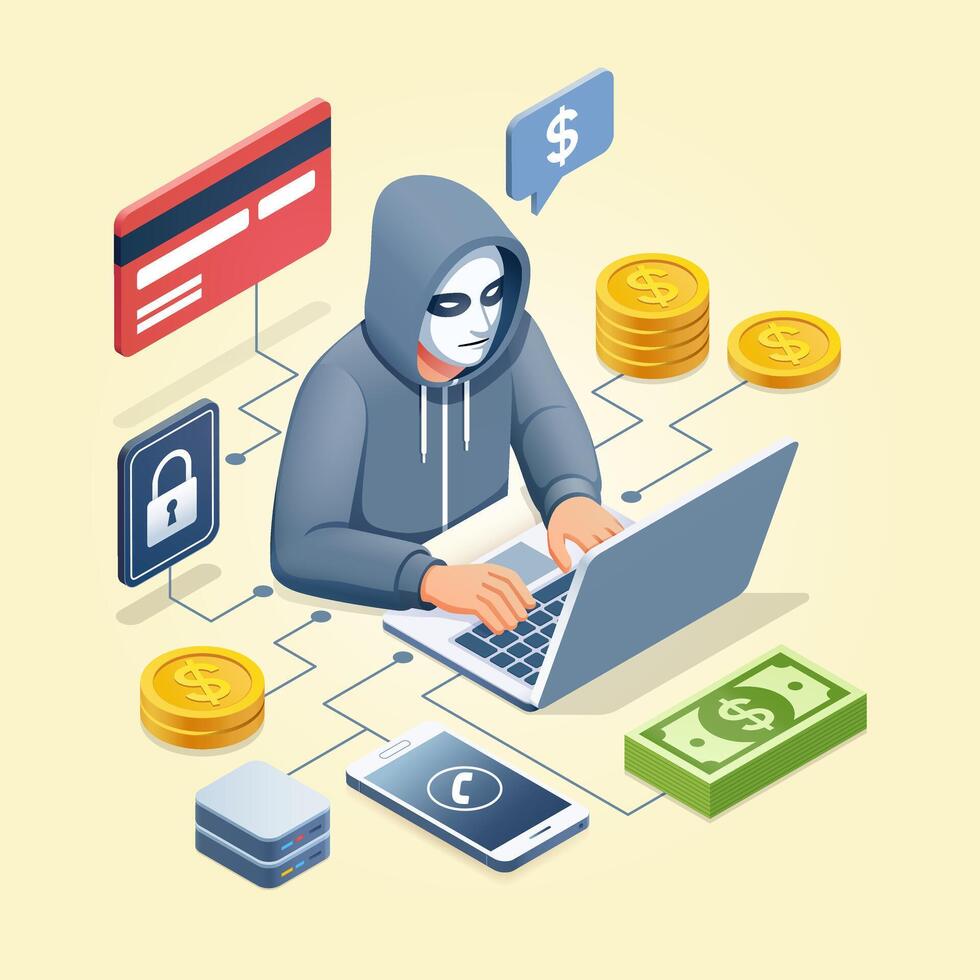
This shift is driven by the industrialization of fraud. Scam centers, often operating across borders, use VoIP (Voice over IP) technology to spoof local Singaporean numbers, making it nearly impossible for a caller to tell if the call is originating from a local office or a foreign call center.
The “Mother of 5” incident demonstrates that the public’s “scam radar” is functioning. While it may lead to awkward interactions between companies and their customers, this skepticism is the most effective tool in reducing the success rate of fraudulent operations. When citizens default to distrust, the “cost of acquisition” for scammers increases, potentially deterring some low-level fraud attempts.
Common Misconceptions About Lucky Draws
Many people believe that lucky draws are “marketing gimmicks” with no real winners. However, regulated draws in Singapore must adhere to certain transparency standards. The Sheng Siong win confirms that these promotions do result in significant payouts to actual customers.
Another misconception is that only “lucky” people win. In reality, as seen with this winner, the odds are improved by frequent participation—in this case, through regular grocery shopping. The more a customer engages with the brand’s requirements (spending thresholds), the higher their statistical probability of entry.
Finally, some believe that the government can easily block all scam calls. While the Infocomm Media Development Authority (IMDA) and telcos have implemented filters and blocking systems, the constant evolution of spoofing technology means that individual vigilance remains the final and most important line of defense.
Frequently Asked Questions
How do I know if a Sheng Siong lucky draw call is real?
The safest method is to hang up and visit the nearest Sheng Siong outlet or call their official corporate headquarters using a number found on their official website. Never provide payment or passwords over the phone.
What should I do if I think I’ve been targeted by a prize scam?
Do not provide any personal information. Block the number and report the incident to the Singapore Police Force via their e-services portal or the ScamShield app.
Are there taxes on lucky draw winnings in Singapore?
Generally, windfalls from lucky draws and lotteries are not subject to personal income tax in Singapore, making the full amount of the prize available to the winner.
Can I report a suspicious number using an app?
Yes, the ScamShield app, developed by the Singapore government, allows users to block known scam numbers and report new ones to help protect other members of the community.
Why do scammers use names of popular supermarkets like Sheng Siong?
Scammers use “household names” because these brands have high trust and a wide reach. By impersonating a brand that millions of people use daily, they increase the likelihood that a victim will believe the call is legitimate.
The story of the mother of five serves as both a heartwarming example of a life-changing win and a cautionary tale about the necessity of skepticism. As digital fraud continues to evolve, the ability to distinguish a $30,000 blessing from a financial trap remains a vital skill for every Singaporean resident.
