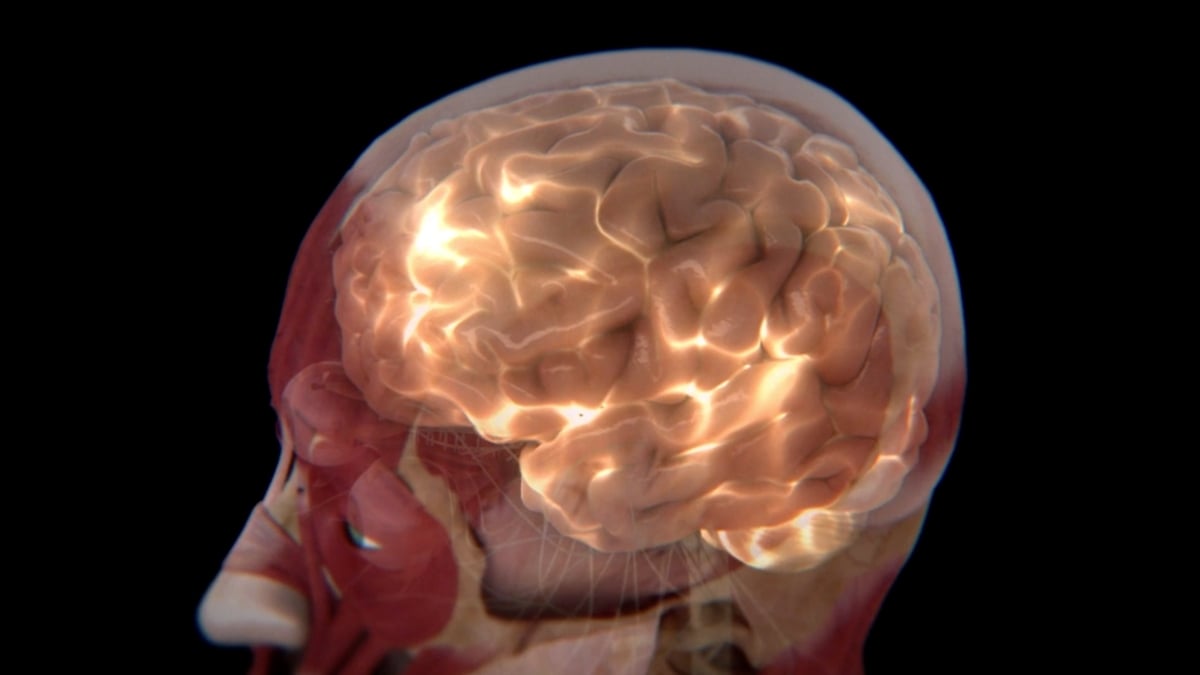
Scientists Identify 2 Distinct Subtypes of Autism in The Brain – ScienceAlert
Researchers have identified two biologically distinct subtypes of autism based on differing brain connectivity patterns, according to reports from ScienceAlert, SciTechDaily, and Medical Xpress. This discovery suggests that autism spectrum disorder (ASD) is not a single, monolithic condition but rather a group of distinct neurological profiles that may require different diagnostic and therapeutic approaches.
How did scientists identify two distinct subtypes of autism?
The identification of these subtypes resulted from the analysis of brain connectivity patterns using advanced neuroimaging. According to reports from Medical Xpress and SciTechDaily, the research focused on how different regions of the brain communicate with one another. Rather than finding a universal “autism signature,” the data revealed two separate clusters of connectivity that distinguish one group of autistic individuals from another.
Brain connectivity refers to the way neurons and brain regions link together to process information. In typical development, the brain maintains a balance between “local” connectivity (short-range connections within a specific area) and “long-range” connectivity (connections between distant parts of the brain). The researchers found that the two subtypes of autism exhibit different imbalances in these patterns.
- Subtype One: Characterized by specific patterns of over-connectivity in certain regions, which may lead to an intense focus on detail or sensory hypersensitivity.
- Subtype Two: Characterized by under-connectivity in areas responsible for integrating complex information, which often correlates with challenges in social communication and emotional processing.
This distinction is critical because it moves the conversation from behavioral observation to biological evidence. For decades, clinicians have categorized autism based on how a person acts—such as repetitive behaviors or social deficits. This new data, as highlighted by ScienceAlert, indicates that those identical behaviors may stem from two entirely different neurological configurations.
Why does the distinction between autism subtypes matter for diagnosis?
The current diagnostic framework for autism, primarily the DSM-5, treats ASD as a spectrum. While this acknowledges that symptoms vary, it does not specify why they vary. According to the findings reported by SciTechDaily, identifying biological subtypes allows for a shift toward “precision psychiatry,” where a diagnosis is based on the physical state of the brain rather than a checklist of observed behaviors.
Behavioral diagnosis is often subjective. Two children might both struggle with eye contact, but one may do so because of sensory overload (over-connectivity), while the other may do so because of a difficulty in processing social cues (under-connectivity). If these two individuals are treated as having the same condition, the interventions provided may only be effective for one of them.
The discovery that autism may consist of distinct biological subtypes suggests that the “spectrum” is not a linear scale of severity, but a map of different neurological architectures.
By utilizing biomarkers—measurable biological indicators—doctors could potentially identify a person’s subtype through imaging or other physiological tests. This would reduce the reliance on parental reports and clinician intuition, leading to more accurate and earlier diagnoses.
Comparison: Behavioral vs. Biological Diagnosis
| Feature | Behavioral Diagnosis (Current) | Biological Diagnosis (Proposed) |
|---|---|---|
| Primary Tool | Observation, Interviews, Checklists | Neuroimaging, Connectivity Mapping |
| Basis of Classification | External Symptoms (e.g., stimming) | Internal Brain Wiring (Connectivity) |
| Consistency | Subjective; varies by clinician | Objective; based on physiological data |
| Treatment Goal | Symptom management | Targeted neurological support |
What are the implications for autism treatment and therapy?
The identification of two distinct subtypes suggests that a “one size fits all” approach to therapy is likely inefficient. According to reports from Medical Xpress, if two people have different brain connectivity patterns, they will likely respond differently to the same intervention.
For individuals in the subtype characterized by over-connectivity, therapies focusing on sensory integration and reducing environmental stimuli may be more effective. Their brains are essentially “too loud” in certain areas, making the world feel overwhelming. In contrast, individuals in the under-connectivity subtype may benefit more from therapies that explicitly teach social scripts and help the brain build the missing bridges between distant regions.
This discovery opens the door for personalized medicine. In the future, a clinician might use a brain scan to determine a patient’s subtype and then prescribe a specific combination of behavioral therapy, occupational therapy, and pharmacological support tailored to that specific wiring.
Furthermore, this research may explain why some individuals respond exceptionally well to certain therapies while others show little to no improvement. The “non-responders” in previous studies may not have been resistant to treatment, but rather were receiving treatment designed for the wrong biological subtype.
Related exploration on neurodiversity and personalized care suggests that shifting the focus from “fixing” a behavior to “supporting” a specific brain type improves long-term outcomes for autistic adults.
How does this research change the understanding of the ‘Autism Spectrum’?
For years, the “spectrum” in Autism Spectrum Disorder was often misunderstood as a line from “low functioning” to “high functioning.” However, the research reported by ScienceAlert and SciTechDaily reinforces a more modern understanding: the spectrum is a circle or a multidimensional map of traits.
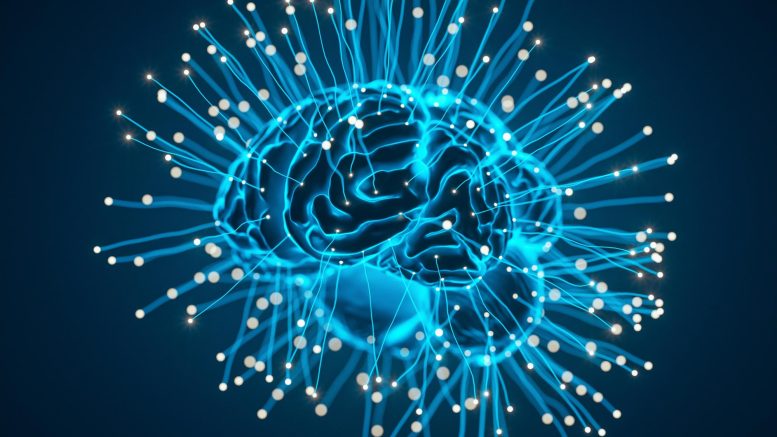
The discovery of two distinct subtypes suggests that the spectrum is actually composed of different “clusters.” Instead of a smooth gradient, there may be distinct biological peaks. This means that an individual’s position on the spectrum is determined by which subtype they belong to and the intensity of the connectivity imbalances within that subtype.
Key Points Regarding the Spectrum Shift:
- Beyond Severity: The focus shifts from how “severe” the autism is to “which type” of autism is present.
- Biological Diversity: It confirms that neurodivergence is not a single deviation from the norm, but multiple different ways the brain can organize itself.
- Co-occurrence: This framework allows researchers to investigate why certain subtypes are more prone to co-occurring conditions, such as anxiety or epilepsy.
This shift in understanding also reduces the stigma associated with “high-functioning” labels. If the difference is biological connectivity, then the challenges faced by a highly verbal person with over-connectivity are just as real and biologically rooted as those faced by a non-verbal person with under-connectivity.
What are the potential challenges in implementing these findings?
While the identification of these subtypes is a significant step, moving these findings from the lab to the clinic presents several hurdles. According to the context provided by Medical Xpress, the primary challenge is the accessibility and cost of neuroimaging.
fMRI scans and high-resolution connectivity mapping are expensive and not available in standard pediatric offices. For this discovery to impact the general population, researchers must find “proxy” biomarkers—simpler, cheaper tests (such as blood tests or EEG patterns) that correlate with these two brain subtypes.
There is also the challenge of clinical adoption. The medical community is slow to change diagnostic manuals like the DSM. Integrating biological subtypes would require a massive overhaul of how insurance companies reimburse for autism services and how schools provide Individualized Education Programs (IEPs).
Additionally, there is the risk of over-simplification. While two primary subtypes have been identified, it is possible that further research will reveal a third, fourth, or fifth subtype. The brain is infinitely complex, and reducing it to two categories may still be a simplification of the actual biological reality.
How does this compare to previous autism research?
Historically, autism research focused on genetic mutations. While genetics play a massive role, they often failed to explain why two people with the same genetic mutation could have vastly different symptoms. The research highlighted by ScienceAlert fills this gap by looking at the result of those genetics: the physical wiring of the brain.
Earlier connectivity studies suggested that autism was generally characterized by “local over-connectivity and long-range under-connectivity.” This was presented as a universal rule for all autistic people. The new research contradicts this by showing that this is not a universal rule, but rather a characteristic of one specific subtype. This represents a major evolution in the field, moving from a “general rule” to “specific profiles.”
By contrasting these two approaches, it becomes clear that the field is moving toward a more granular understanding of the human brain. This mirrors developments in oncology, where “cancer” is no longer treated as one disease, but is broken down into specific genetic subtypes that require different chemotherapy drugs.
Timeline of Autism Understanding
| Era | Prevailing Theory | Diagnostic Focus |
|---|---|---|
| Mid-20th Century | Psychogenic/Environmental | Childhood Schizophrenia / Parental Influence |
| Late 20th Century | Neurological/Genetic | Behavioral Observation (DSM-III/IV) |
| Early 21st Century | Broad Spectrum | Behavioral Clusters (DSM-5) |
| Current Research | Biological Subtypes | Brain Connectivity Patterns/Biomarkers |
Frequently Asked Questions
Does this mean my autism diagnosis will change?
Not immediately. Current diagnoses are based on behavioral criteria. While this research identifies biological subtypes, these are not yet used in standard clinical practice. However, it may lead to more specific “sub-diagnoses” in the future.
Can these subtypes be detected with a simple test?
Currently, these subtypes are identified through complex brain imaging (like fMRI). Researchers are working to find simpler biomarkers, but there is currently no “quick test” available for the general public.

Are the two subtypes based on gender or age?
The subtypes are based on brain connectivity patterns, not demographic data. While gender and age can influence how autism presents, the subtypes refer to the physical wiring of the neural networks.
Will there be new medications for different subtypes?
This is a primary goal of the research. By understanding the biological root—whether it is over-connectivity or under-connectivity—scientists can develop targeted pharmacological treatments that address the specific neurological imbalance.
Does this mean some autistic people are “more” autistic than others?
No. The research suggests that autistic people are differently wired. One subtype is not “more” or “less” autistic than the other; they simply possess different neurological architectures that result in different challenges and strengths.
As neuroimaging technology becomes more accessible and the data from these subtypes grows, the medical community will likely move toward a system where an individual’s specific brain profile dictates their support system. This ensures that the support provided matches the biological reality of the person receiving it, moving away from guesswork and toward evidence-based, personalized care.
